P
Process Flow Description
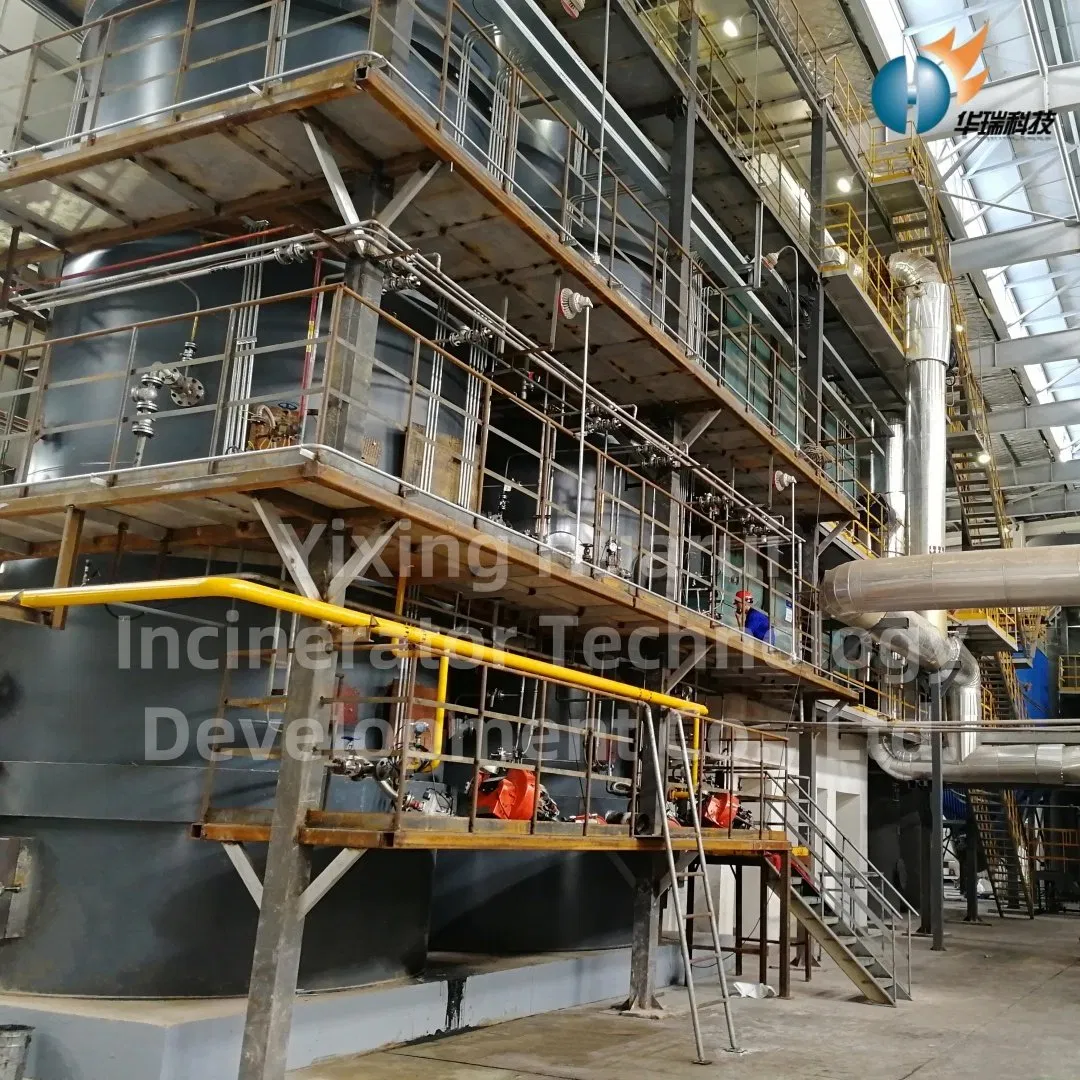
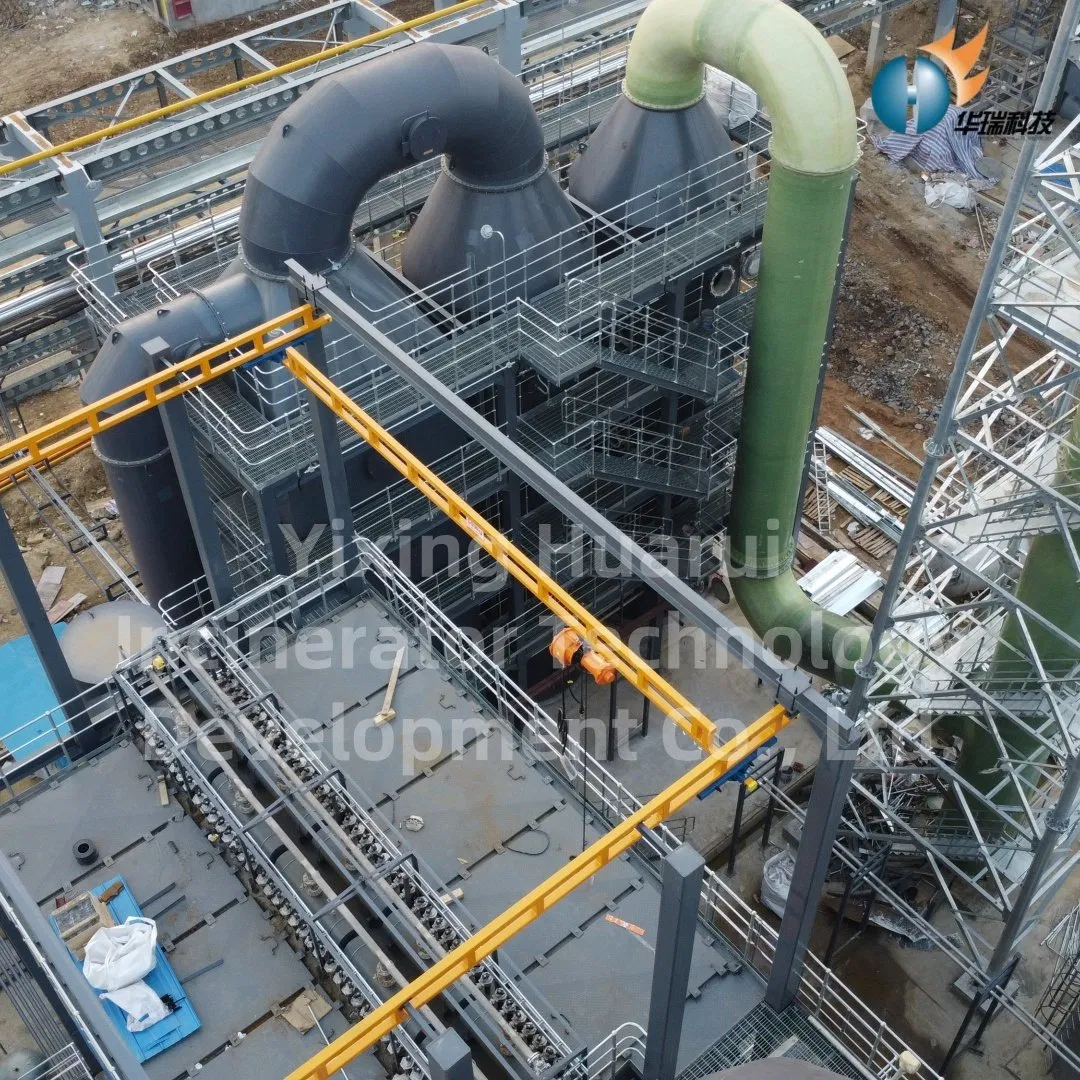
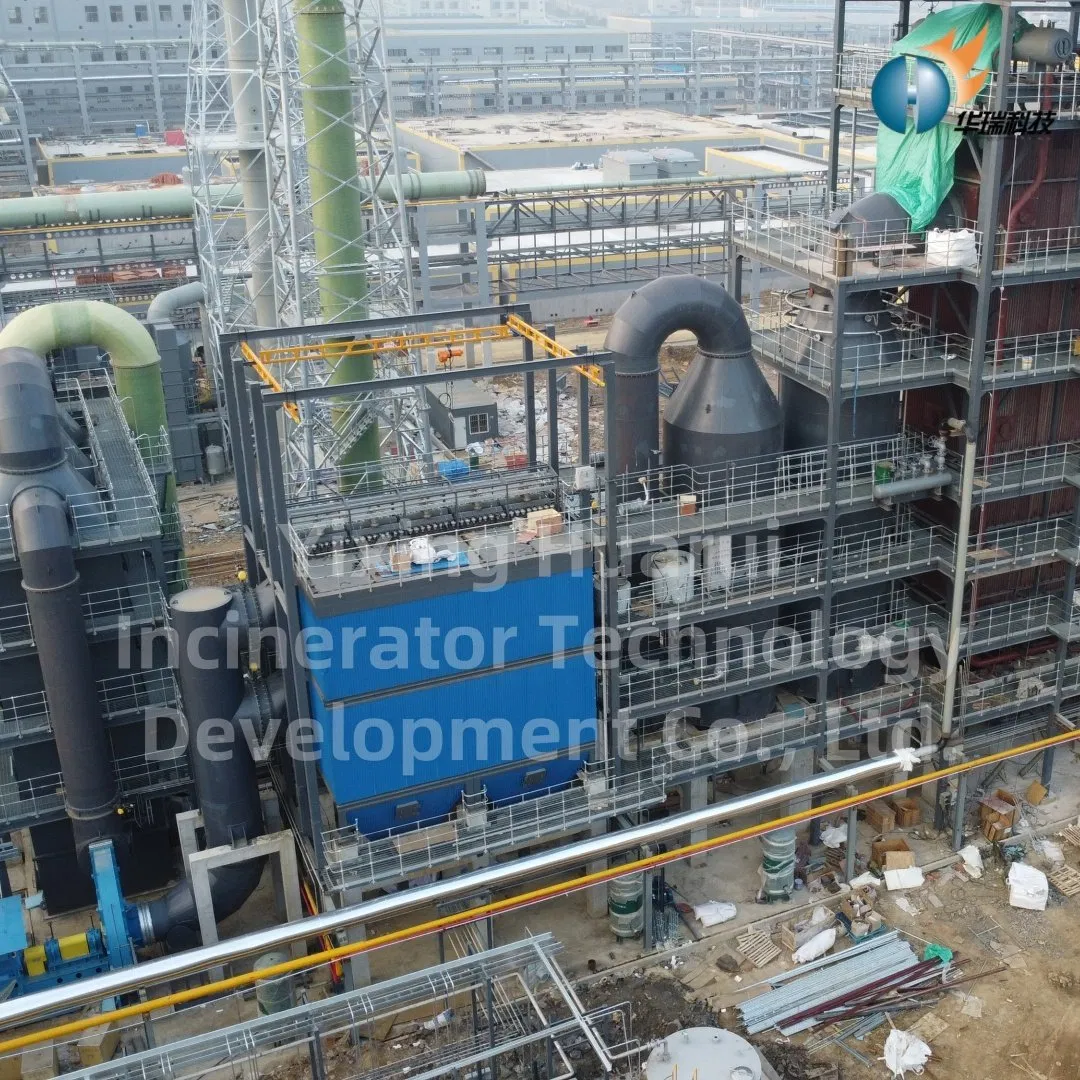
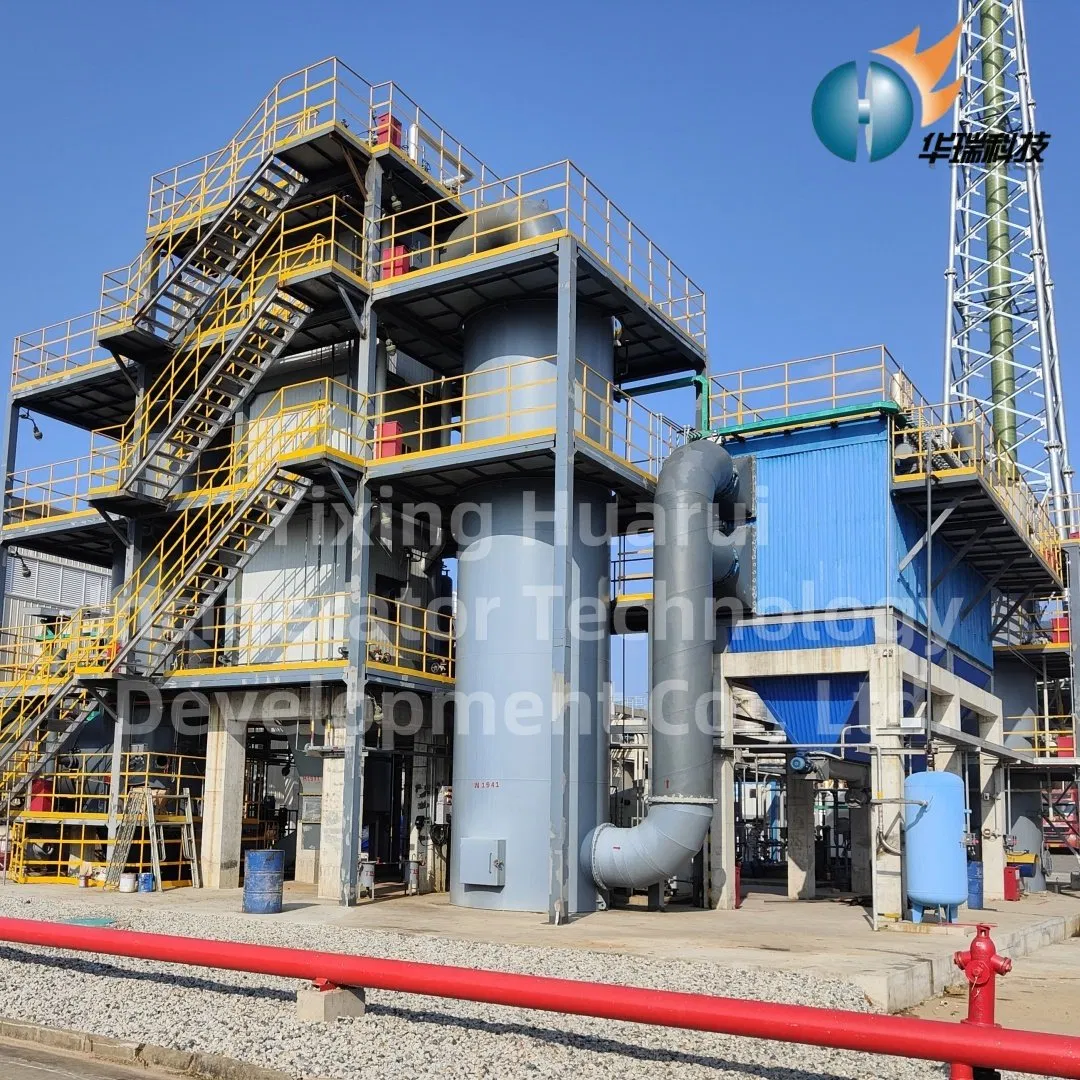
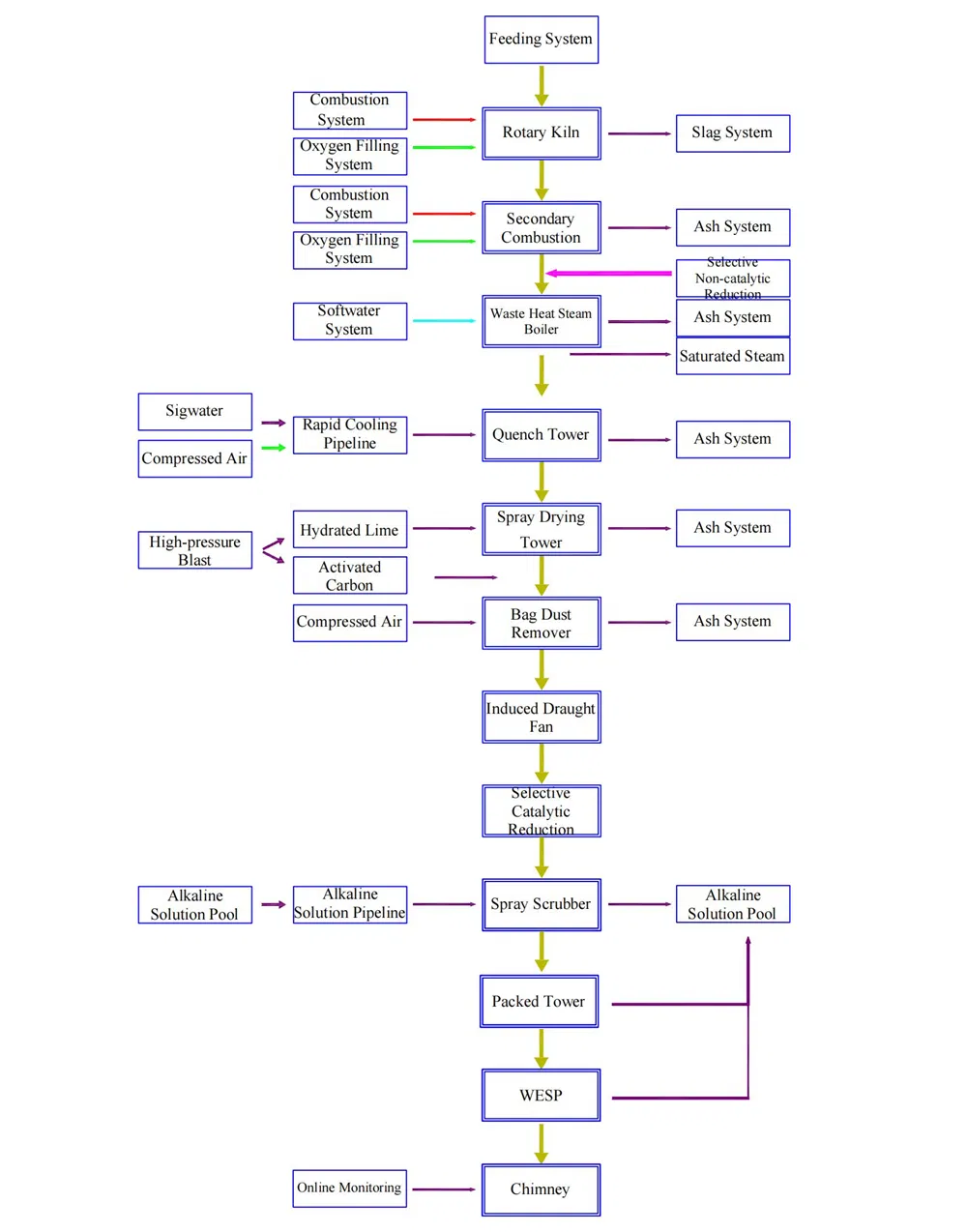
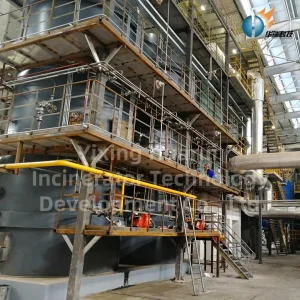
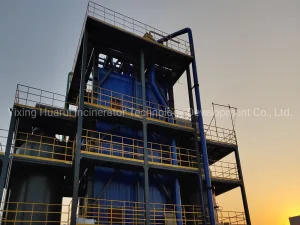
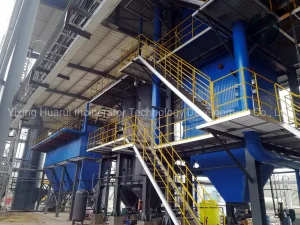
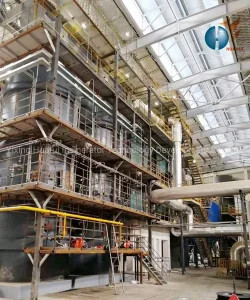
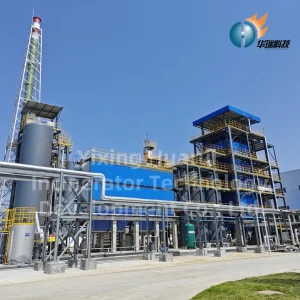
Our process begins by delivering light diesel oil to the burner through an advanced oil pipeline. The automatic ignition system gradually increases the furnace temperature over half an hour. Once the target temperature is reached, our waste conveying system activates, sending crushed waste particles through the high-pressure fan into the combustion chamber. Guided by the 3T principle (temperature, time, turbine flow), waste undergoes oxidation, pyrolysis, and combustion. Post-combustion gases experience high-temperature oxidation in a secondary chamber equipped with a multi-hull design and gravity dust collectors. The flue gas is recycled into steam via a waste heat boiler, optimizing factory resources and recovering valuable metal oxides.
?
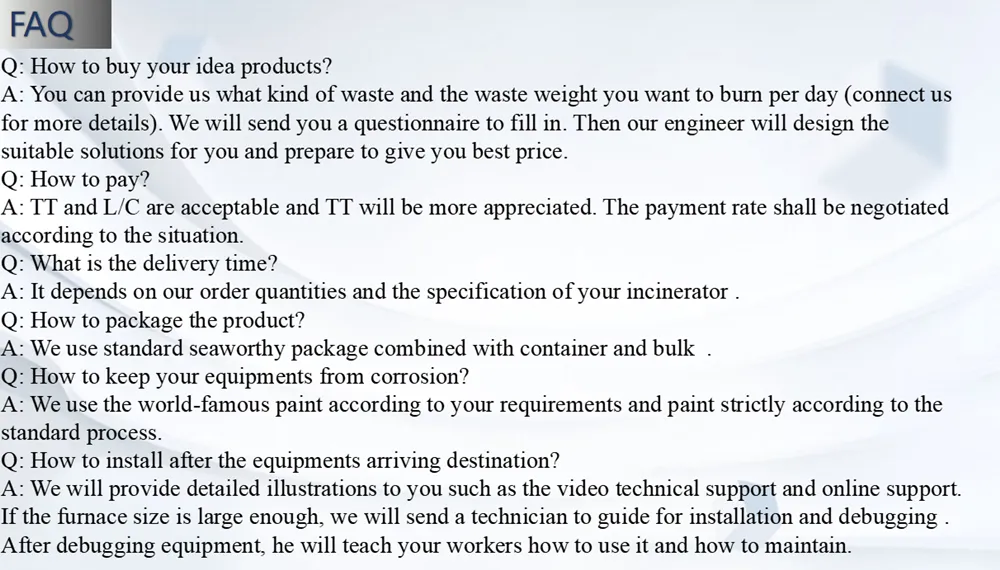
Frequently Asked Questions
What is the combustion efficiency of this incinerator?
The system achieves a high combustion efficiency of ≥99.9%, ensuring nearly complete disposal of hazardous waste materials.
What types of fuel can be used for operation?
The equipment is versatile and can be powered by Diesel Oil, Natural Gas, or LPS, depending on your facility's resources.
Is the incineration process environmentally friendly?
Yes, the system is designed for smoke-free and odor-free incineration with zero secondary pollution, complying with strict environmental standards.
What is the expected service life of the equipment?
With proper maintenance, the incinerator has a robust service life of 10 to 15 years.
What waste handling capacity does the HR-X model offer?
The system offers a flexible handling capacity ranging from 50kg/h to 5000kg/h, suitable for various scales of waste management.
Can it handle high-moisture medical waste?
Absolutely. The continuous material feeding system is specifically designed to handle high-moisture waste while optimizing the combustion process.
 HURO Pets