HURO Pets
1 / 5
| Waste Type | Combustion Temp (ºC) | Smoke Residence Time (S) | Combustion Efficiency (%) | Removal Rate (%) | Thermal Reduction Rate (%) |
|---|---|---|---|---|---|
| Hazardous Waste | ≥1100 | ≥2 | ≥99.9 | ≥99.99 | <5 |
Capacity: 50-5000kg/h
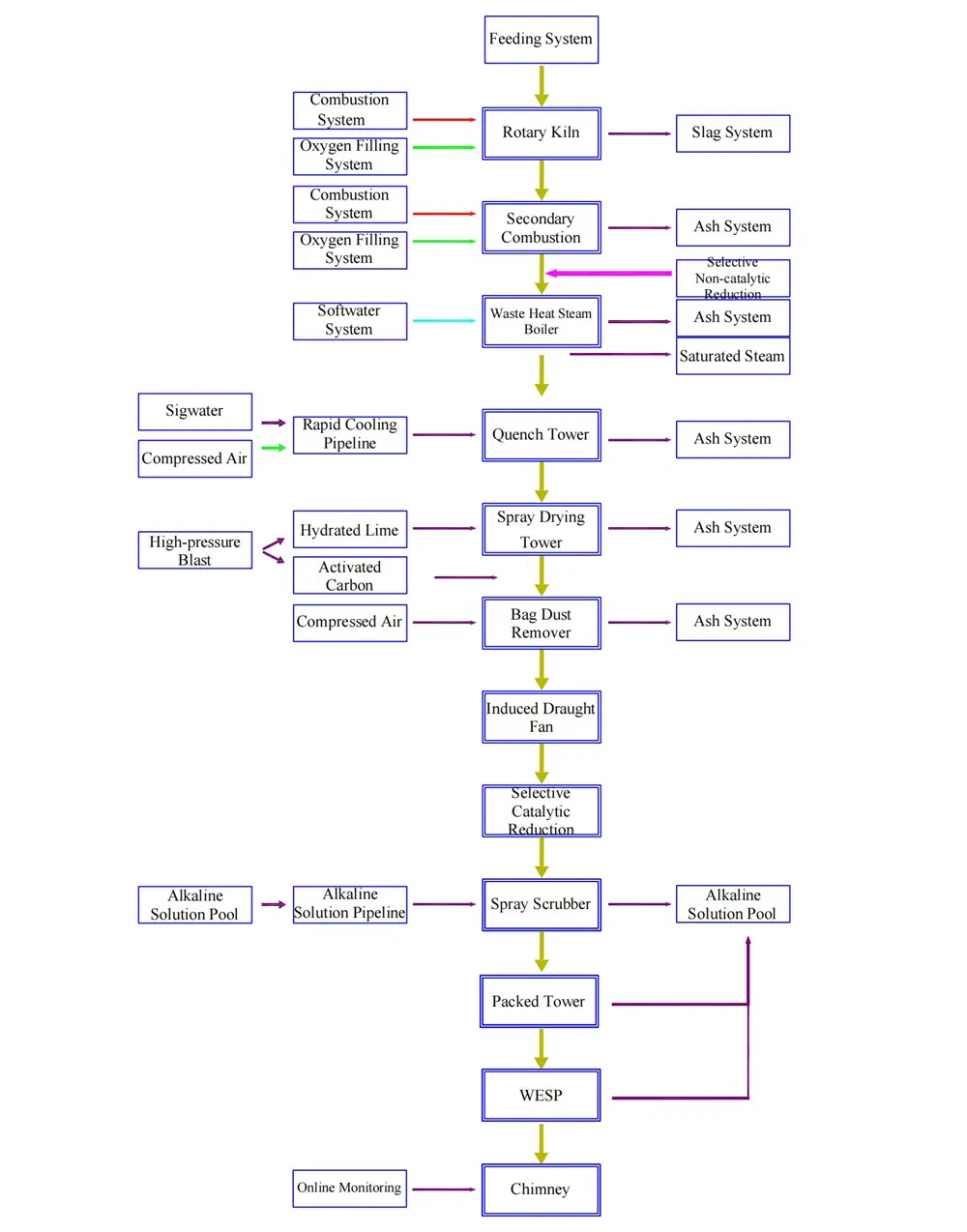
The light diesel oil is delivered to the burner through an oil pipeline with an automatic ignition system. Once the furnace reaches the set temperature, the waste conveying system is activated. Waste particles are sent into the combustion chamber by a high-pressure fan. Following the 3T principle (temperature, time, turbine flow), the waste undergoes oxidation, pyrolysis, and combustion.
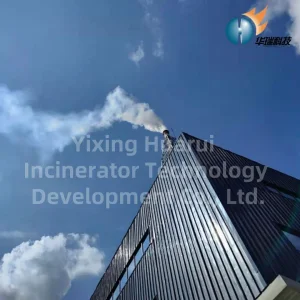
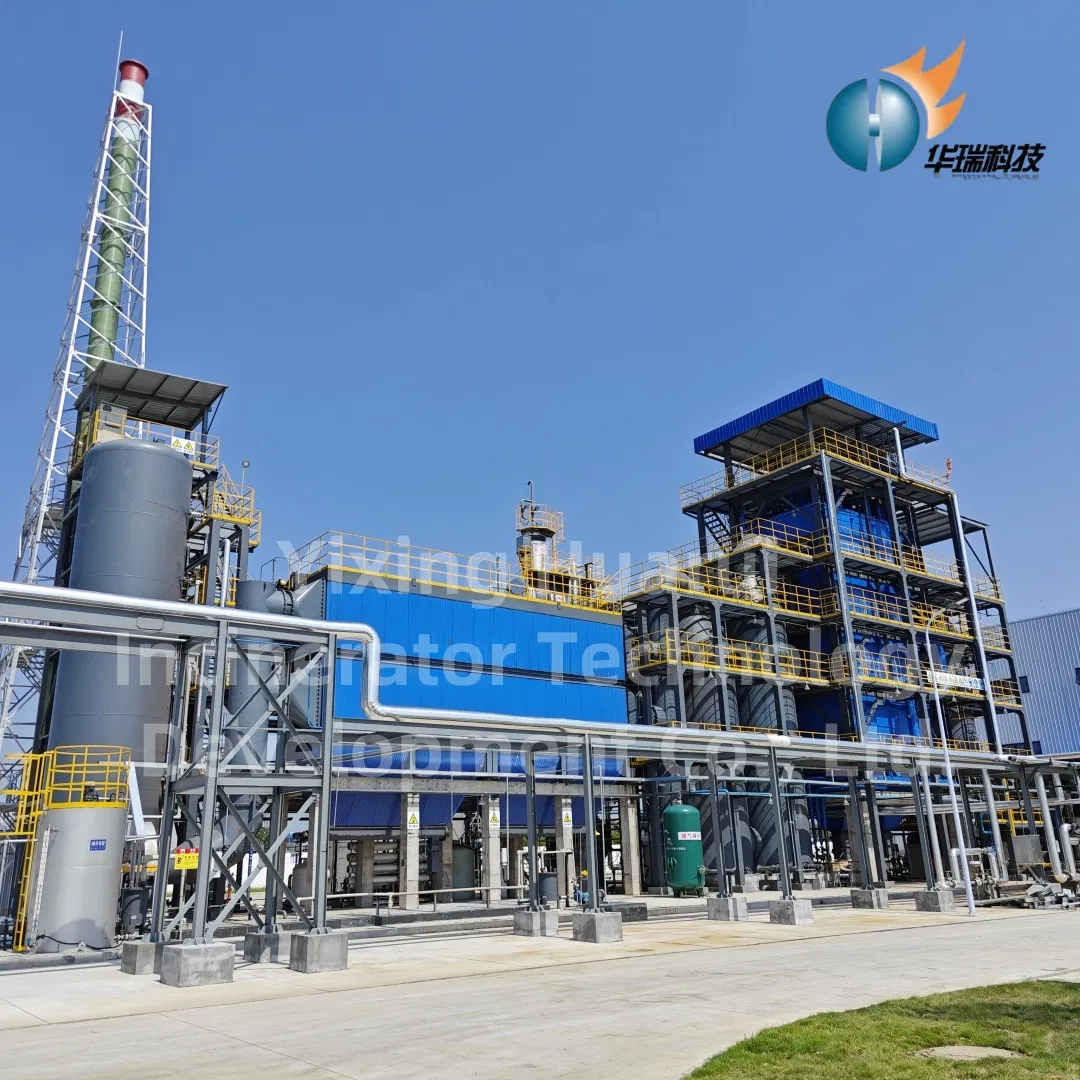
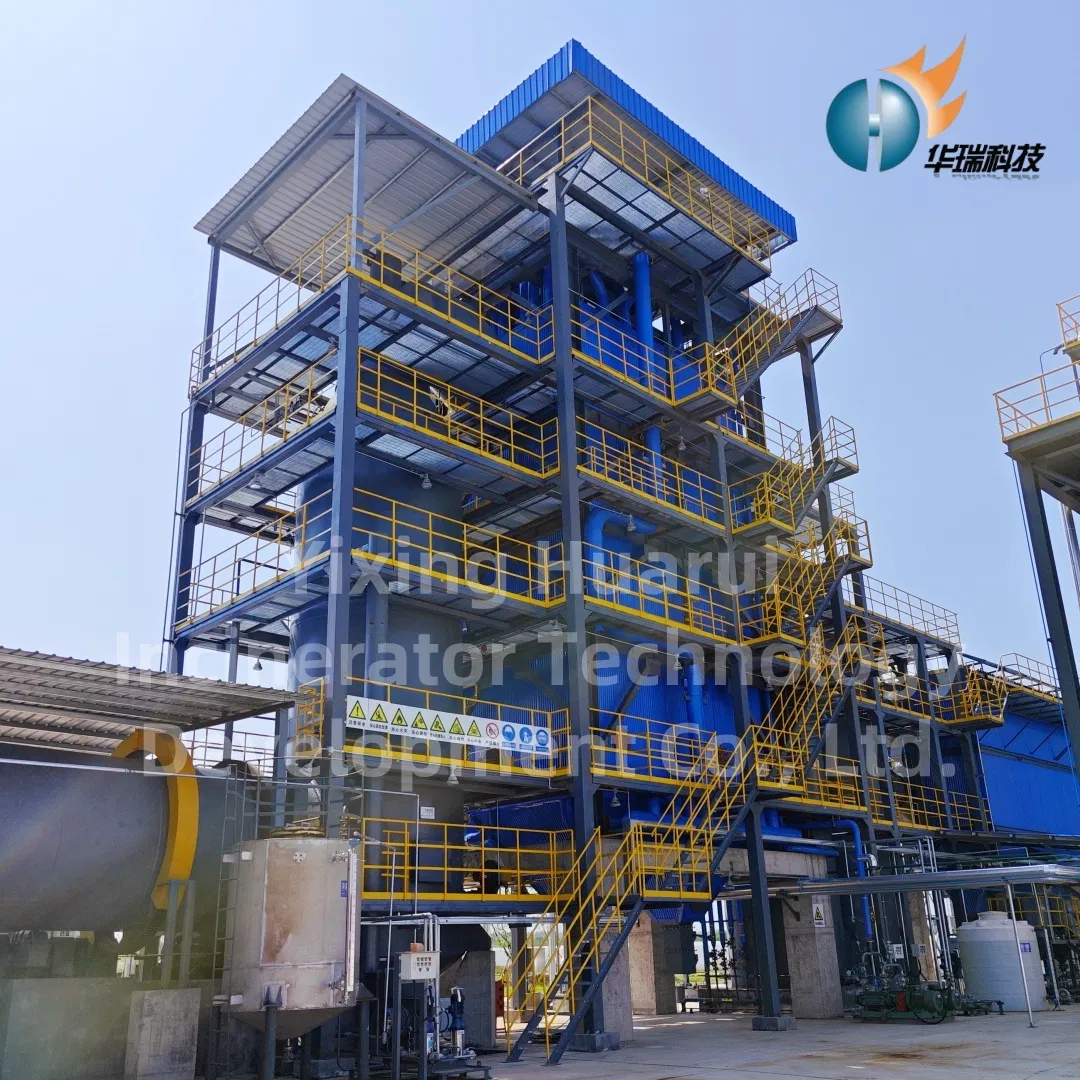
Tail gas is further oxidized in a multi-hull secondary combustion chamber equipped with gravity dust collectors. Flue gas then passes through a waste heat boiler to recycle steam for factory use. Further cooling occurs in an air heat exchanger before the gas enters a multi-pipe dust collector and spray system for final purification. The standard gas is eventually discharged via an exhaust fan and chimney.
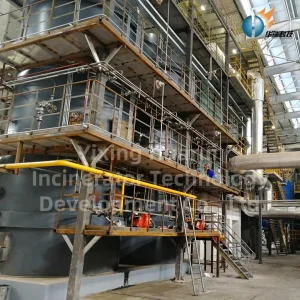
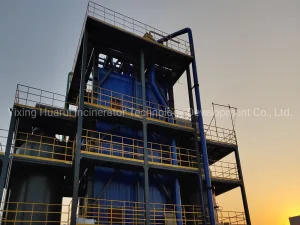
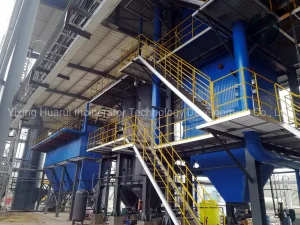
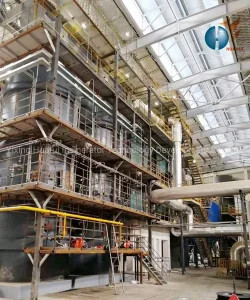
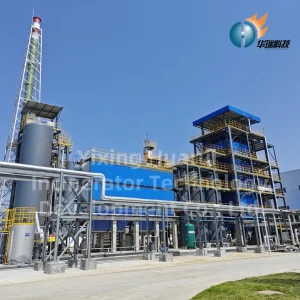
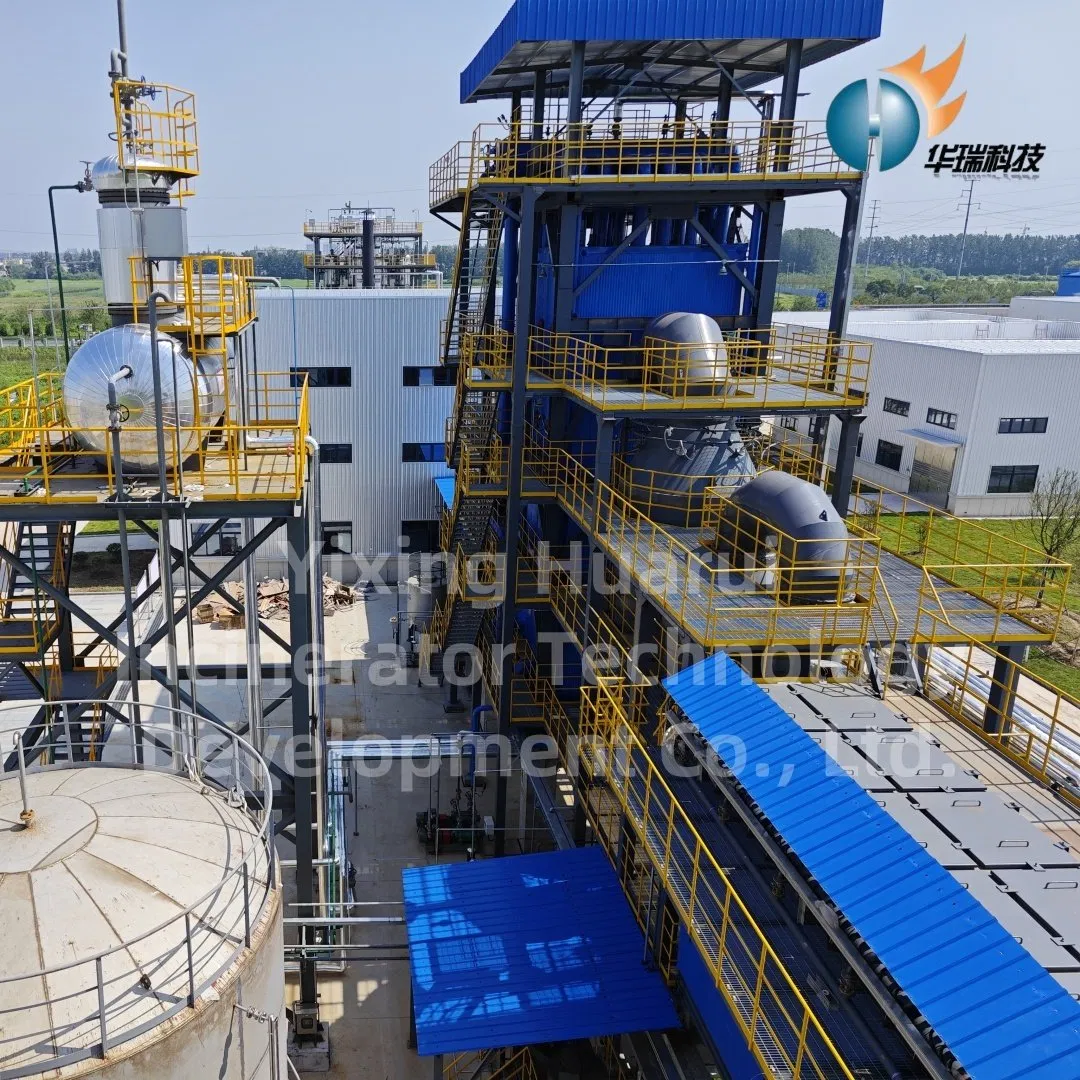
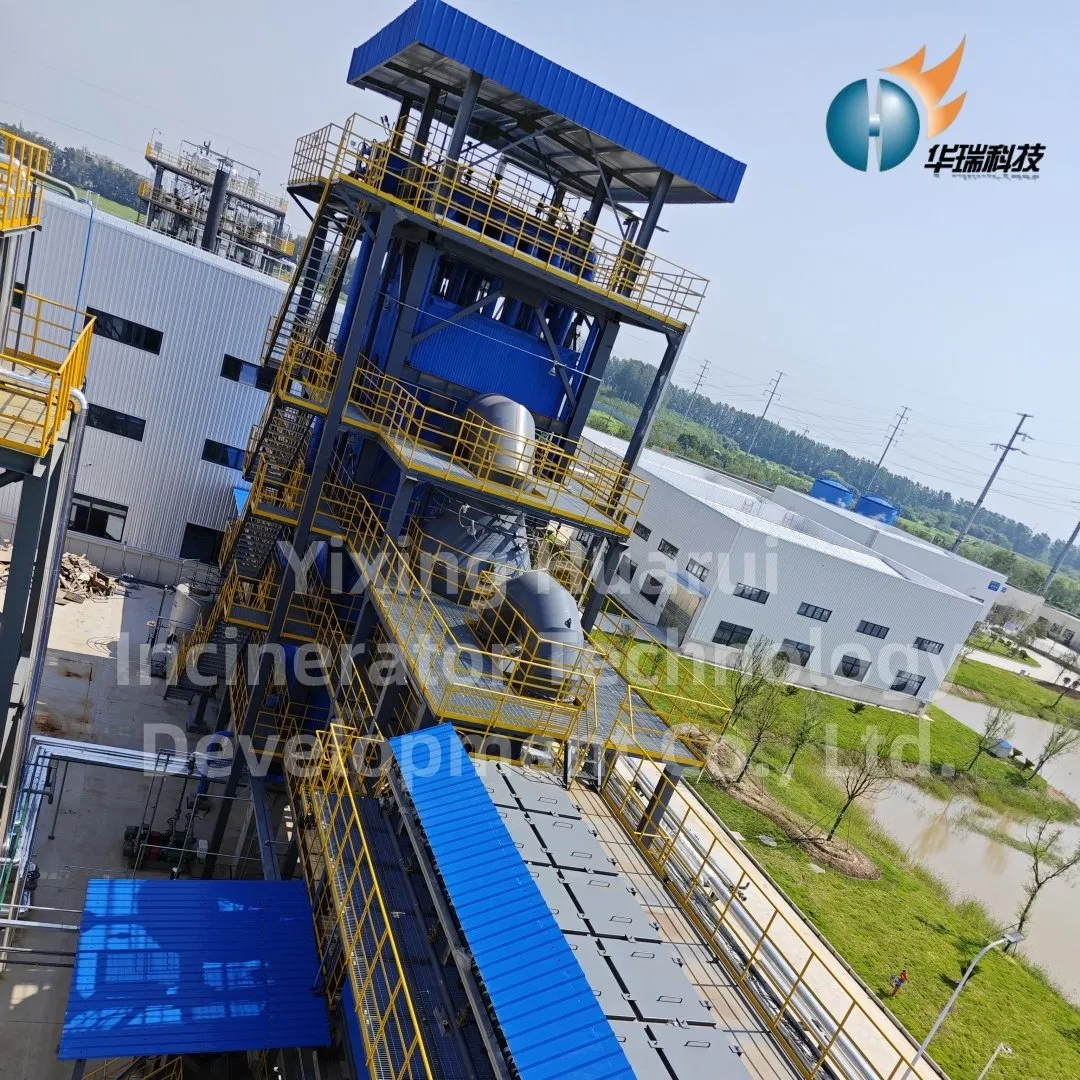
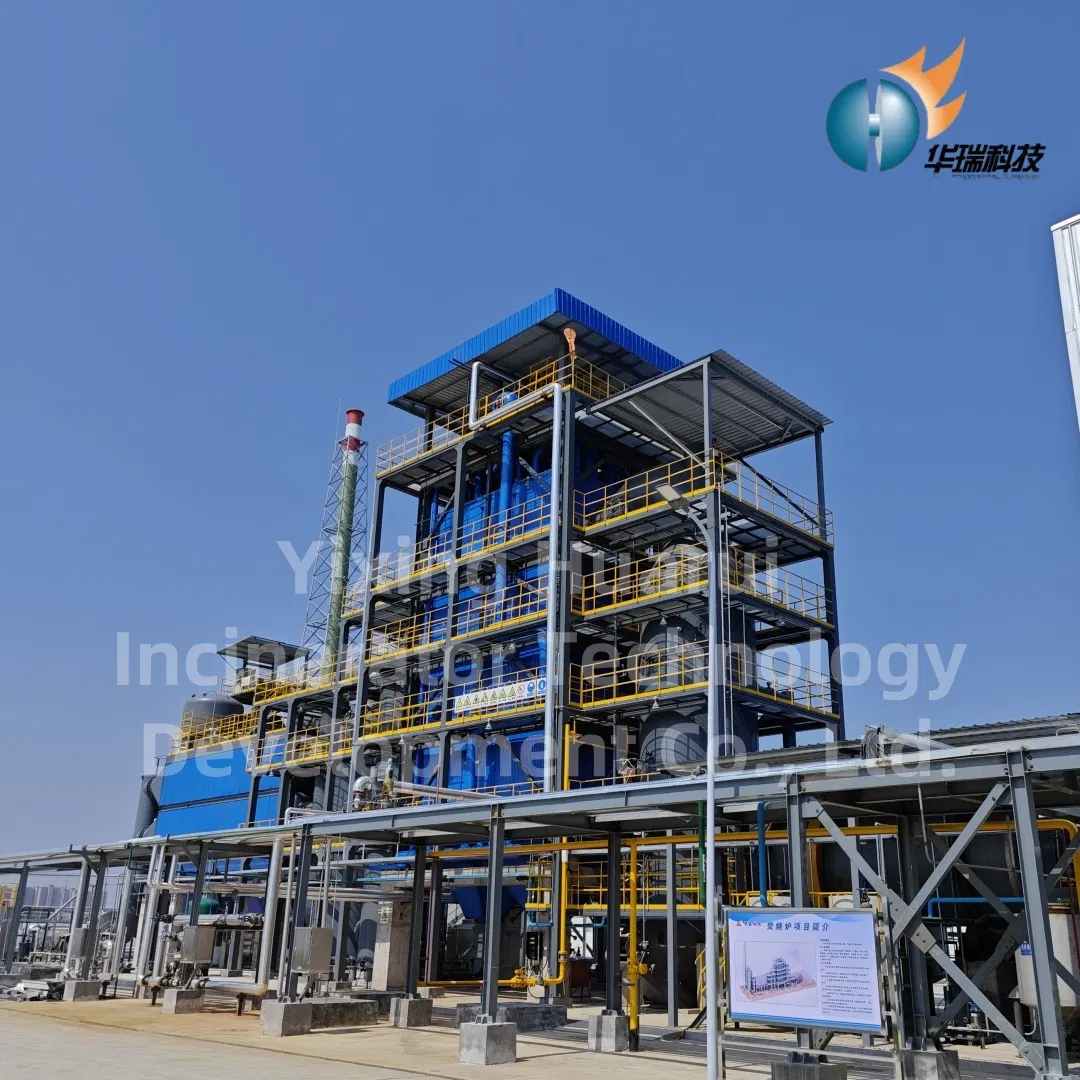
The system includes: Crusher, frequency conversion feeding motor, high pressure conveying fan, rotary kiln, driving device, supporting device, secondary chamber, waste heat boiler, air heat exchanger, multi-pipe dust collector, spray tower, exhaust fan, chimney, diesel pipeline system, diesel ignition and combustion machine system, automatic control system, and operating platform.

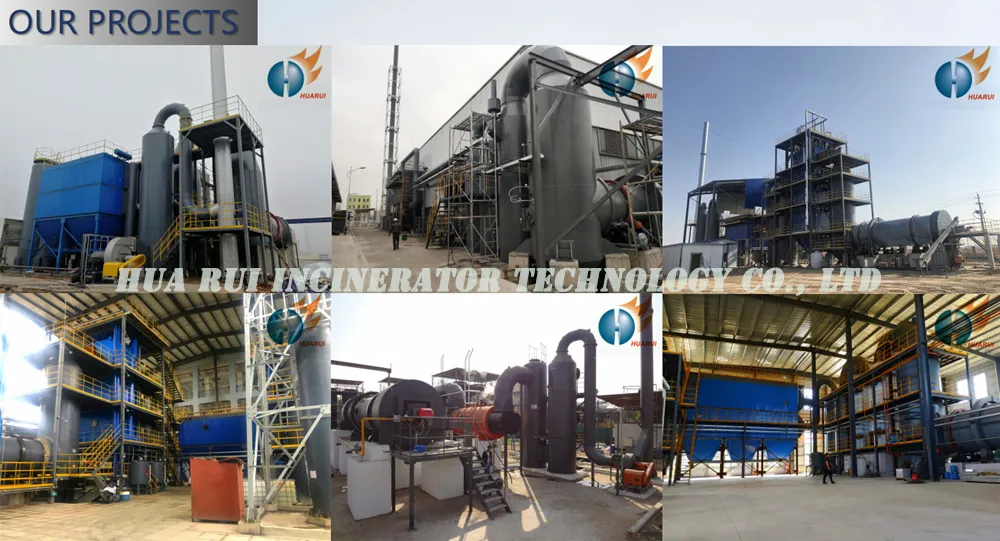
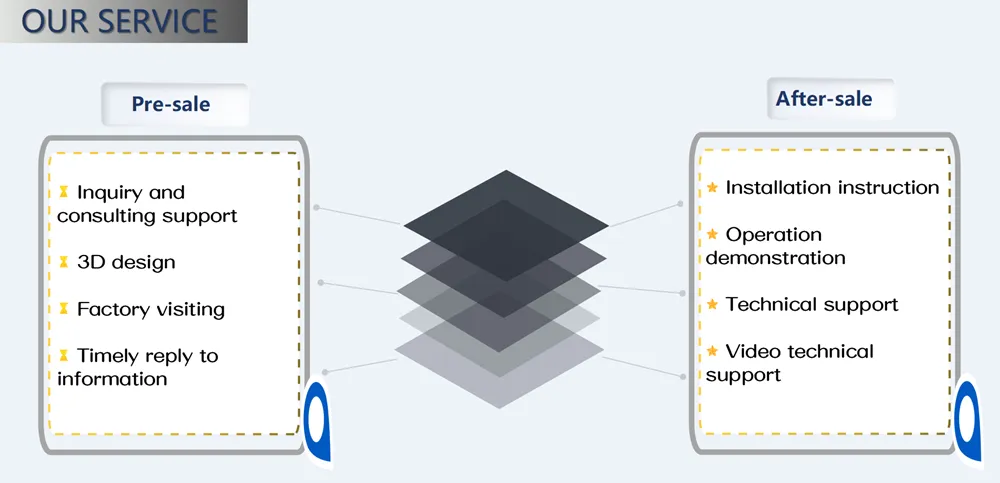
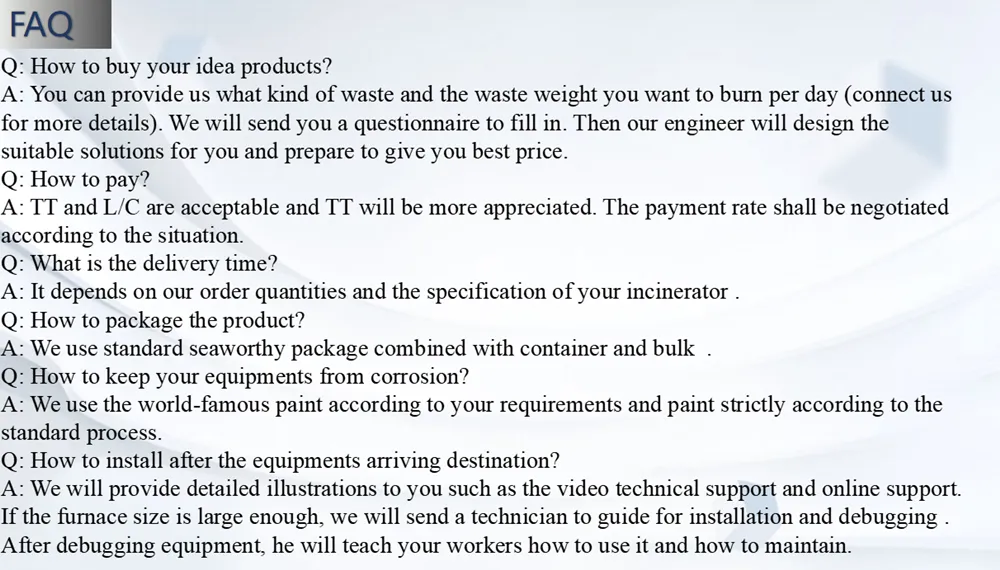
Our specialized incineration solutions include: rotary kiln, solid waste incinerators, liquid waste incinerators, direct combustion exhaust gas furnaces, RTO regenerative incinerators, and medical waste incinerators. We offer comprehensive one-stop solutions including feasibility studies, design, manufacturing, installation, and commissioning.