Fuel
Diesel Oil, Natural Gas, Lps
R&D Personnel
More Than 20 People
Function
Waste Treatment/Waste Management
Flue Gas Residence
≥2 Seconds
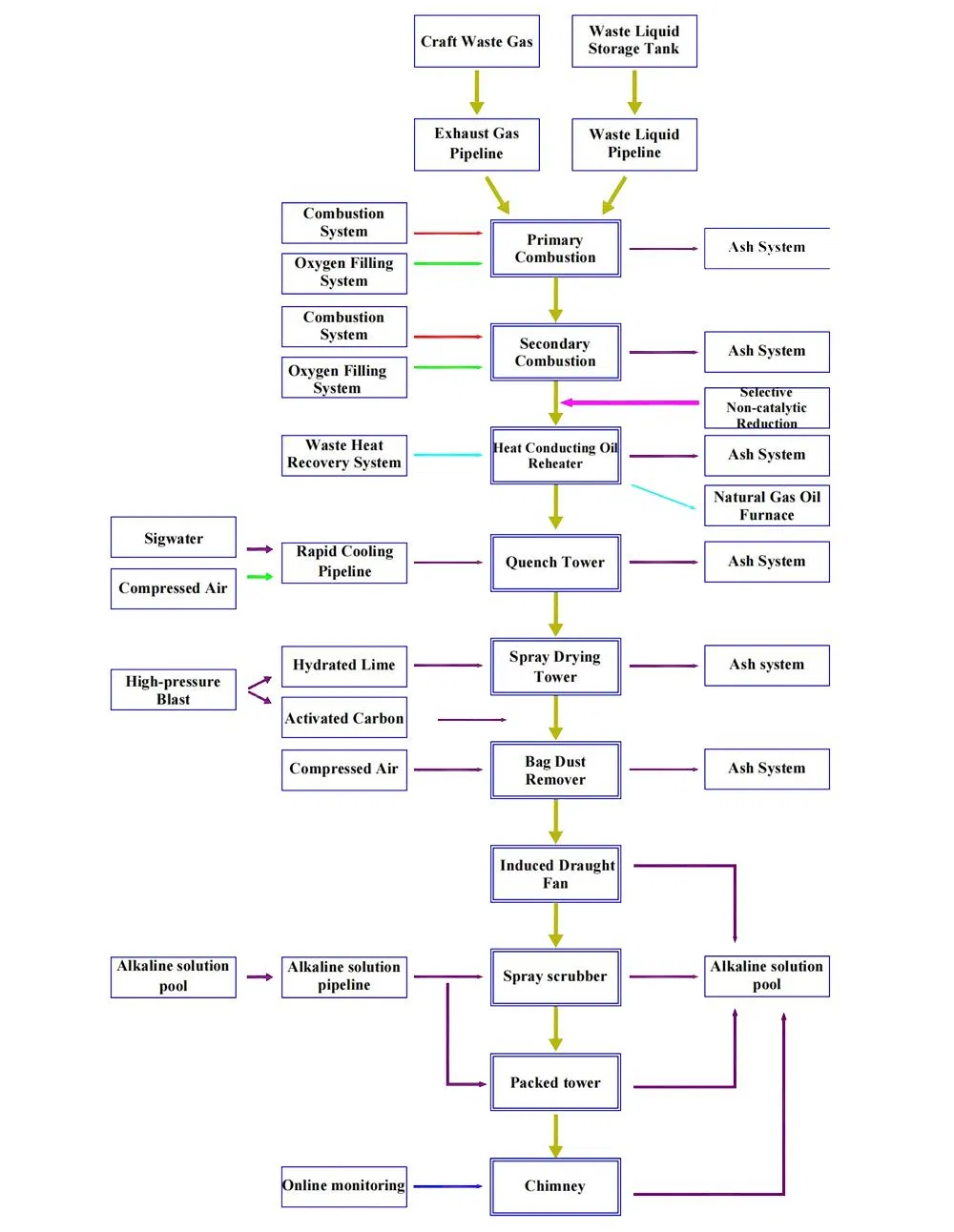
- ✔ High-density (BOD, COD) organic waste water, waste liquid, organic acid, organic alkali and so on which are not easy to burn.
- ✔ Waste liquid, waste solvent and so on which are easy to burn.
- ✔ Organic waste gas and paint waste gas.
- ● Atomization: Uses the fourth generation of atomization device for superior combustion.
- ● Eco-Friendly: Low nitrogen burning technology; no smoke, smell, or deleterious gas.
- ● Safety: Ultraviolet radiation supervising and complete warning system.
- ● Reliability: Imported parts with dual-circuit system for low malfunction rates.
- ● Efficiency: Capable of reclaiming heat (hot wind, water, steam) for energy recycling.
Hazardous waste handling capacity: 50-3000kg/h
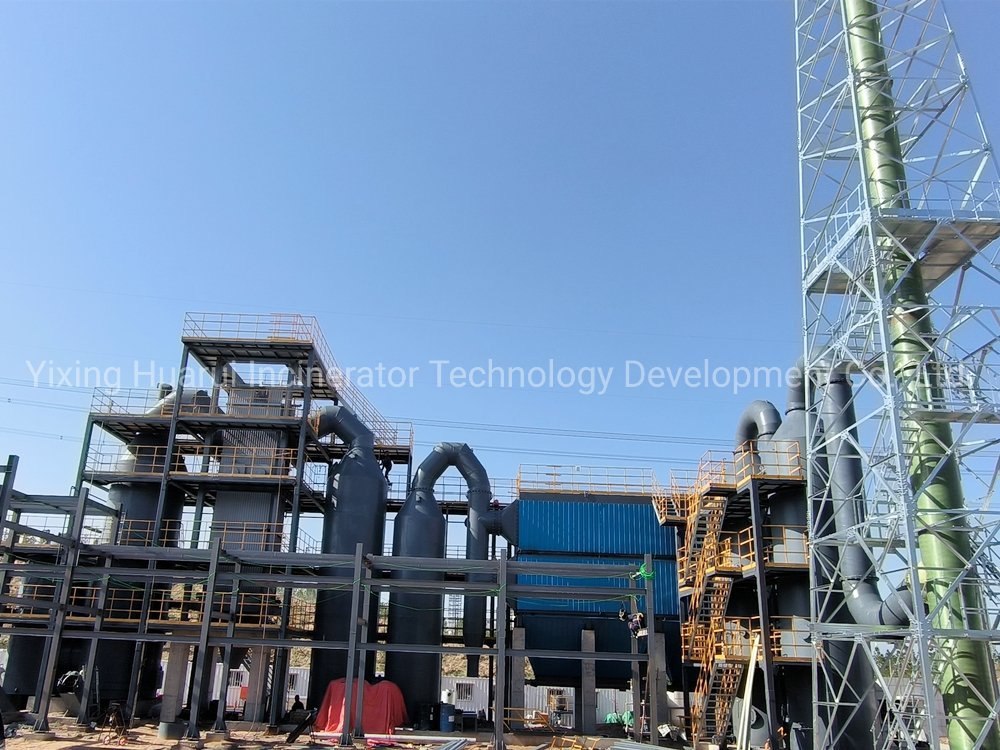
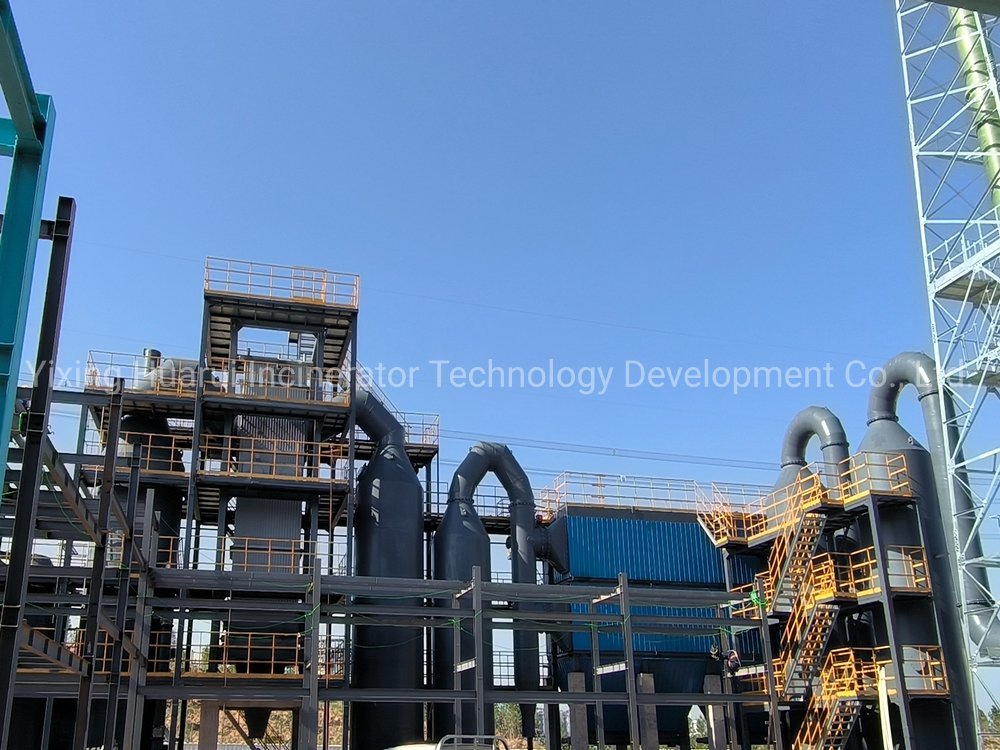
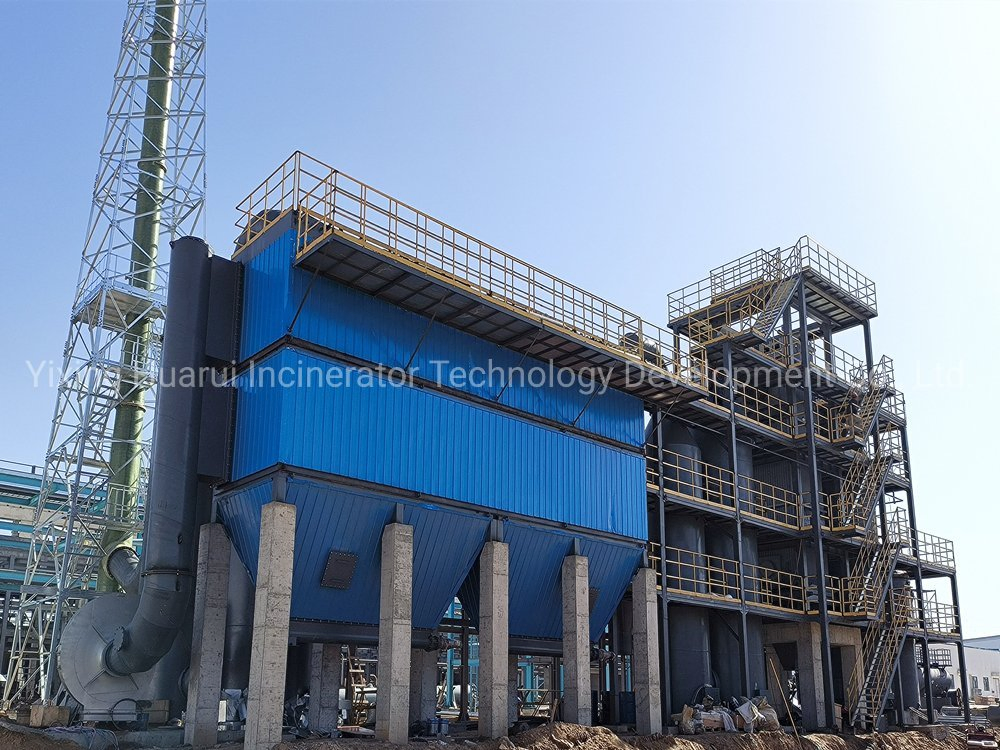
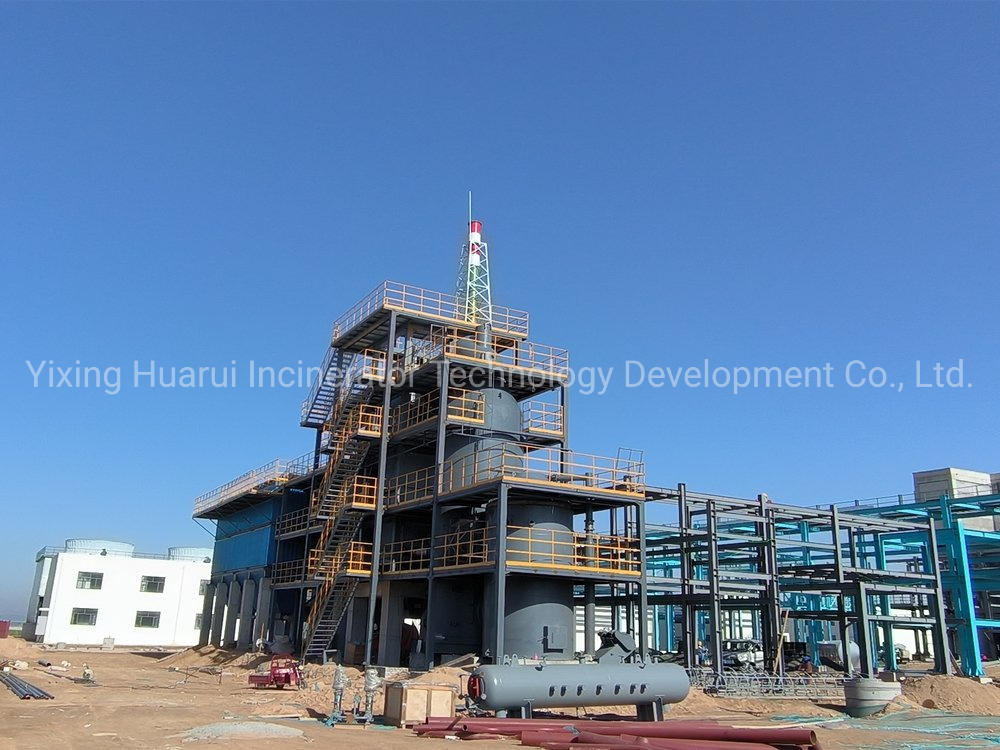
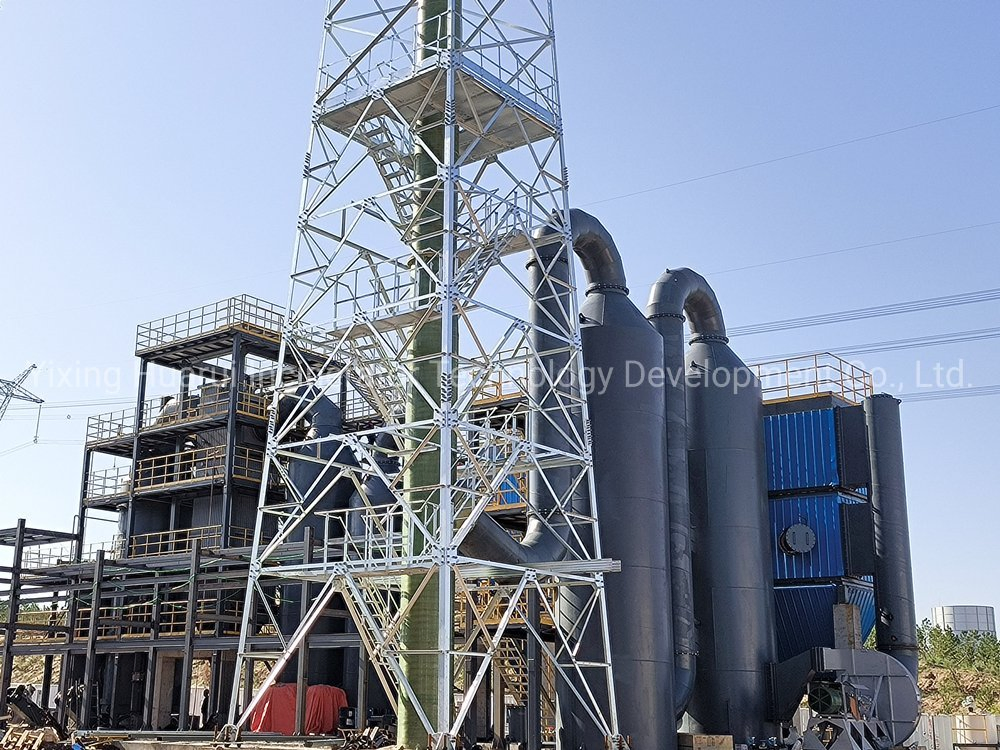
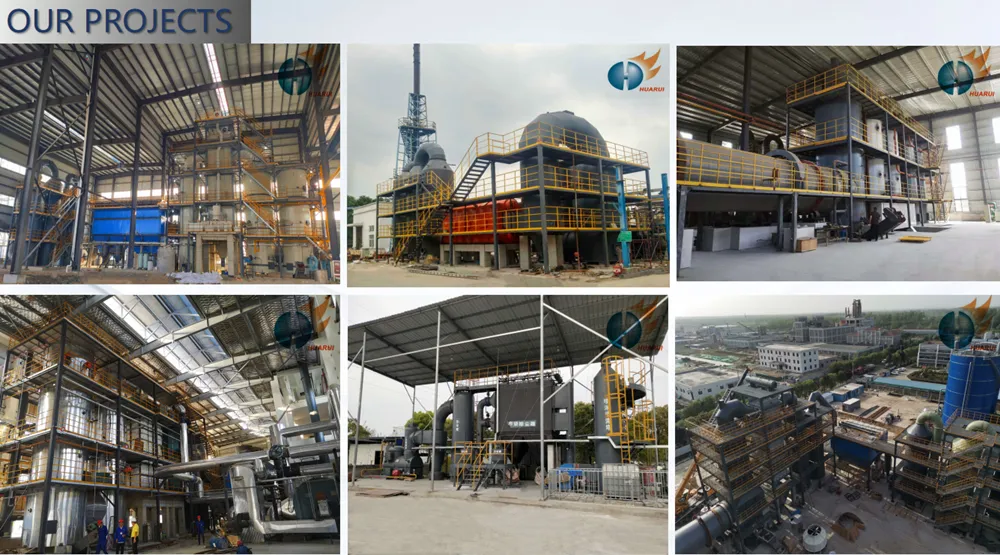
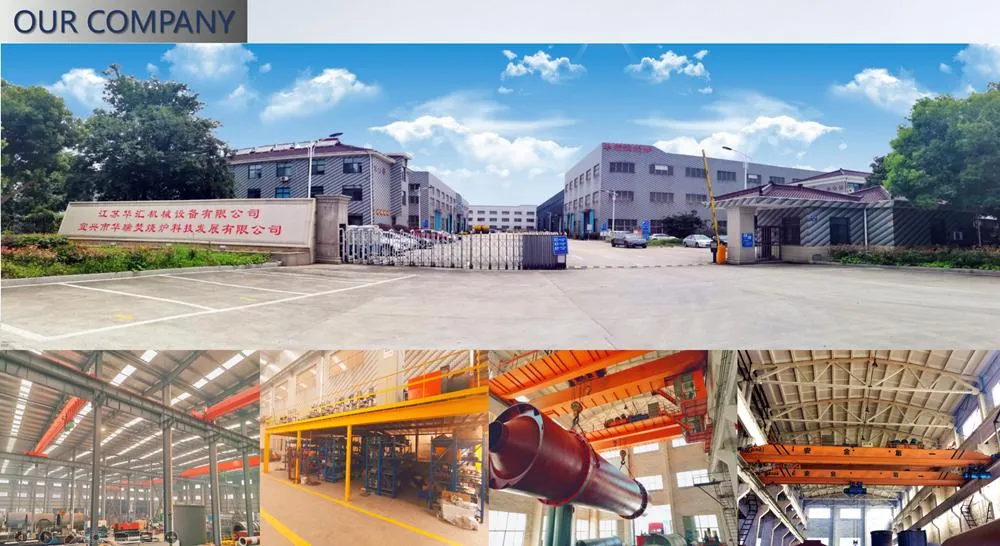
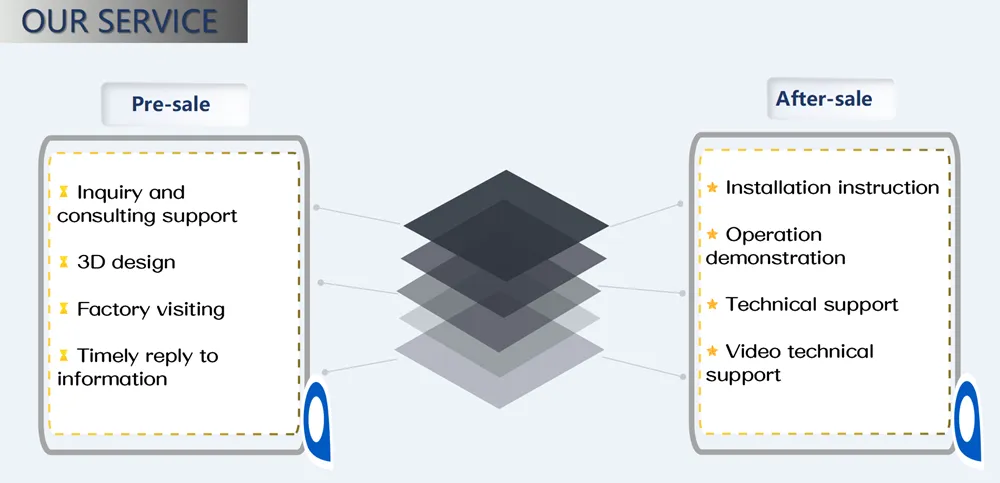
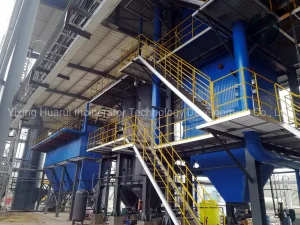
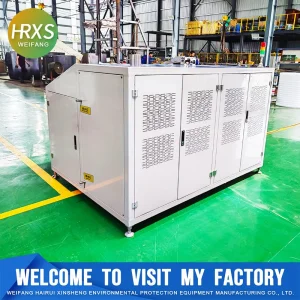
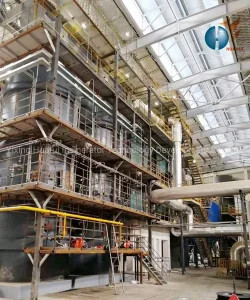
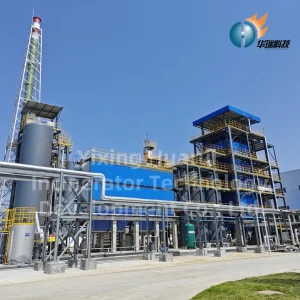
Specialized in the production of liquid, gas, solid and other kinds of waste incinerators. The systems provide one-stop services including preliminary feasibility studies, design and development, manufacturing, installation, debugging, and training.
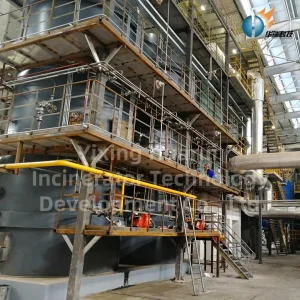
Main furnace types available: Rotary kiln, solid incinerator, liquid incinerator, exhaust gas direct combustion furnace, RTO regenerative incinerator, and medical waste incinerator.
Frequently Asked Questions
What types of fuel can be used in this incinerator?
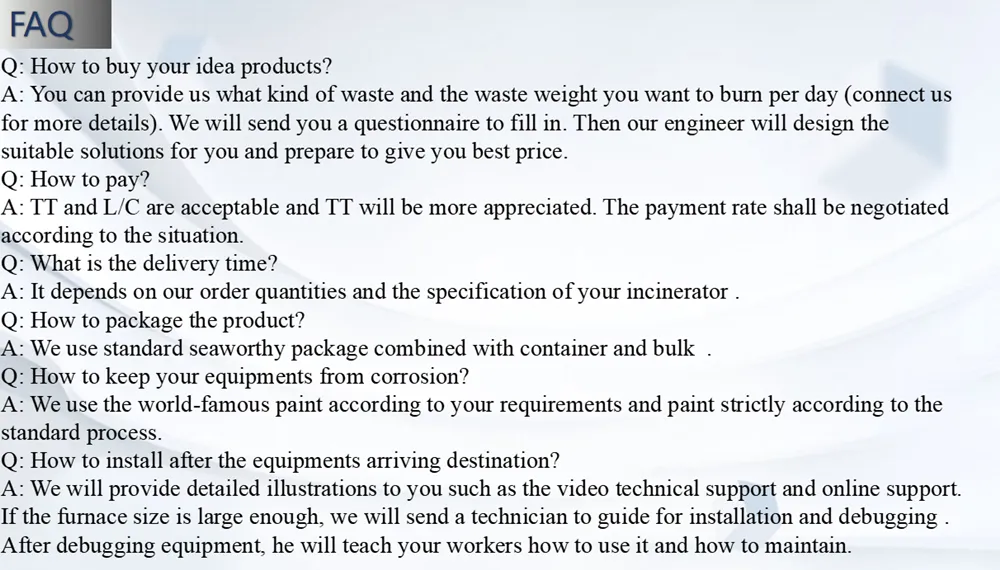
The system is compatible with Diesel Oil, Natural Gas, and LPS (Liquefied Petroleum Gas).
What is the expected service life of the equipment?
The incinerator is designed for long-term durability with an expected service life of 10-15 years.
Does the system meet environmental emission standards?
Yes, it features a Ringelman blackness index of <1 and uses multiple-phase wind-introducing low nitrogen burning technology to ensure emissions are up to standard without smoke or smell.
What is the waste treatment capacity of the HR-QF model?
The hazardous waste handling capacity ranges from 50kg/h to 3000kg/h, depending on the specific configuration.
Can the system recover heat energy?
Yes, the design allows for the reclamation of hot wind, hot water, steam, or heat leading oil based on factory requirements, providing significant economic benefits.
How is safety managed during operation?
The system includes an ultraviolet radiation supervising system and a complete negative pressure design to prevent backfire and explosive dangers.
 HURO Pets