Traveling with pets requires careful planning and awareness of safety measures. Pet travel has surged in popularity, with 67% of households owning a pet in 2023, according to the American Pet Products Association. This trend emphasizes the need for guidance on "How To Travel Safely With Pets."
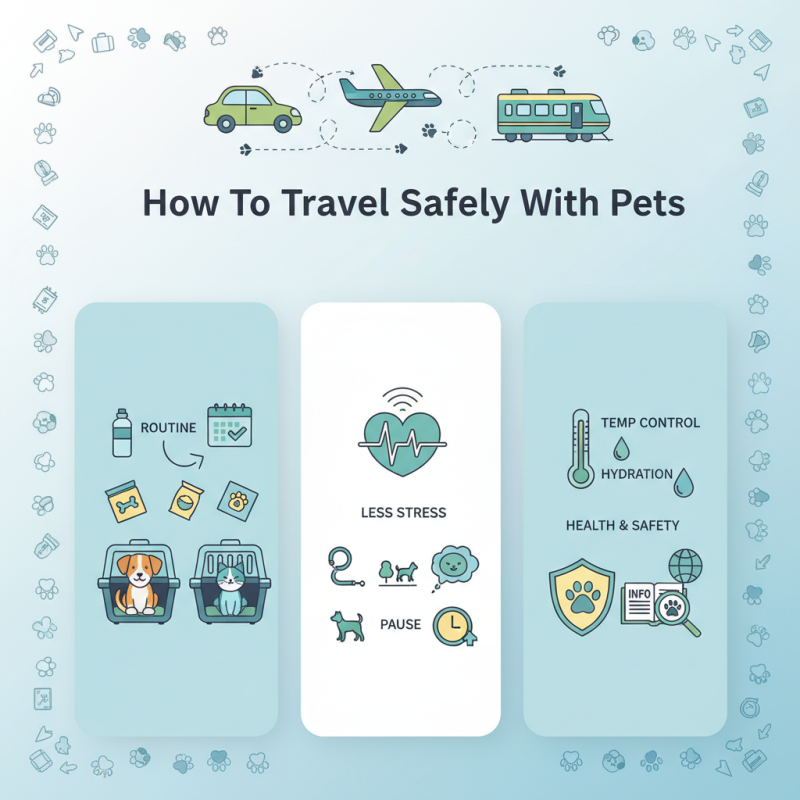
Many pet owners face challenges during travel, such as anxiety and logistics. The American Veterinary Medical Association reports that 30% of pets experience stress when traveling, which can lead to health issues. Choosing the right pet carrier, familiarizing pets with travel routines, and taking breaks are crucial steps for a smoother journey.
Despite these precautions, there is still room for improvement. Owners must be vigilant about their pets' needs and adapt to changing travel regulations. Understanding potential hazards, such as temperature concerns and proper hydration, is essential. Reliable resources can offer valuable insights, making the travel experience safer and more enjoyable for every furry friend.
Understanding Pet Travel Regulations and Best Practices in 2026
Traveling with pets in 2026 requires understanding various regulations. Different regions have specific rules regarding pet travel. Airlines and train services now enforce stricter health checks. Having the correct documents is essential. This may include vaccinations, health certificates, and identification tags. Without these, your journey may be interrupted.
Security checks can be stressful for pets. Many animals may show anxiety during travel. It’s wise to acclimate your pet to their carrier well before the trip. Consider gradual exposure to short rides, allowing pets to feel more comfortable. This process can take time but is worth the effort. Also, bring familiar items from home. Blankets or toys can ease anxiety.
Stay updated on pet travel laws. Changes occur regularly, often without notice. Each destination may impose unique quarantine rules or testing requirements. Be cautious and proactive. Research makes a difference. It is worth taking the time to plan ahead, even if it feels cumbersome at times. Understanding these regulations can ensure a smoother travel experience for both you and your pet.
Choosing Safe Transportation Options for Pets: Airlines vs. Road Trips
Traveling with pets can be a challenging experience. In 2026, choosing the right transportation option is crucial for their safety. Recent reports indicate that nearly 38% of pet owners have encountered problems while traveling. Awareness of these challenges can inform better choices, whether by air or road.
Airlines may provide speed, but safety protocols vary widely. A 2023 study found that roughly 5,000 pets are transported via airlines each year in the U.S. Sadly, 300 incidents have been reported, including injuries and fatalities. Pet carriers must meet strict standards. Owners must ensure their pet is comfortable and secure in a well-ventilated crate. However, long layovers can increase anxiety for pets, making road trips a potentially safer alternative.
Road trips offer flexibility and often come with fewer risks. A survey revealed that about 70% of pet owners prefer driving for short distances. Owners can plan stops in pet-friendly locations. However, pets left alone in cars can face heatstroke or injury. Proper planning is vital. Keep water and snacks accessible. These details can ensure the well-being of your furry companions as you embark on your adventure.
Essential Pet Safety Gear for Travel: Harnesses, Crates, and Identification Tags
Traveling with pets can be a rewarding experience, yet it demands careful preparation. The right gear ensures safety and comfort for your furry friends. A proper harness is essential for pets during vehicle travel. It keeps them secure, preventing sudden movements that could lead to injury. Selecting a well-fitting harness is crucial. Measure your pet accurately before purchasing one. An ill-fitting harness can cause discomfort and stress.
Crates play a vital role in pet travel. They provide a secure space where your pet can relax. Choose a crate that is sturdy and spacious enough for your pet to stand and turn comfortably. Familiarizing your pet with the crate before the trip can ease anxiety. Some pets may resist initially, but patience is key.
Identification tags are another important item. Ensure your pet's tag includes your contact information. This simple precaution can make a difference if your pet gets lost. Additionally, consider a microchip for permanent identification. While identification tags are visible, microchips offer an extra layer of security.
In this ever-changing world, being prepared can help prevent mishaps during your travels.
Preparing Your Pet for Travel: Health Checks and Stress Management Techniques
Traveling with pets is becoming more common, but it requires careful preparation. A recent survey by the American Pet Products Association revealed that nearly 70% of pet owners take their animals on trips. Health checks for pets are essential to ensure their safety during travel. Before planning any journey, schedule a visit to the veterinarian to discuss vaccinations and health certificates. Many states require a certificate for interstate travel. It’s wise to get these documents in order well in advance.
Stress management is another crucial aspect. Pets can experience anxiety during travel, leading to potential health issues. According to a study published in the Journal of Veterinary Behavior, 30% of dogs exhibit signs of anxiety when exposed to new environments. Creating a familiar space in your vehicle or carrier can help. Blankets from home or favorite toys may provide comfort. Additionally, consider using calming aids like pheromone sprays or anxiety wraps. However, consult a veterinarian before any medication. Recognizing and addressing your pet's needs can make travel less stressful for both of you.
Pet Travel Safety: Health Checks and Stress Management in 2026
Staying Prepared: Emergency Protocols for Traveling with Pets in 2026
Traveling with pets in 2026 presents unique challenges and opportunities. Preparing for emergencies can make all the difference in your journey. Reports show that 60% of pet owners do not have an emergency plan for their furry companions. This number is concerning, especially with increased travel during the summer months. Familiarizing yourself with emergency protocols is crucial.
Before you hit the road, create a pet emergency kit. Include essentials like food, water, a leash, and medications. Don’t forget a first-aid kit tailored for pets. A recent survey indicated that only 30% of pet owners have a complete first-aid kit. This could hinder your response in a crisis.
Consider your pet's comfort too. Providing familiar items, such as toys or bedding, helps reduce anxiety. Many pets struggle with travel stress, making the right prep vital. Monitor for signs of distress. If your pet seems uncomfortable, take breaks to stretch and hydrate. Remember, even the best plans can fall short; adaptability is key when things don’t go as expected. Keeping your pets calm and cared for is the ultimate goal of safe travel.
FAQS
: Essential documents include vaccinations, health certificates, and identification tags. Without them, travel may be disrupted.
Acclimate your pet to their carrier in advance. Bring familiar items from home, like blankets or toys.
Airlines have variable safety protocols. Incidents have occurred, including injuries and fatalities. Choose carefully.
Road trips offer more flexibility and fewer risks, but planning is important. Ensure pets stay hydrated and cool.
Include food, water, a leash, medications, and a first-aid kit. Only 30% of owners have a complete kit.
Observe signs of distress. Take breaks to hydrate and stretch, helping to keep your pet calm.
Failing to research might lead to unexpected quarantine rules or testing. Staying informed is essential for smooth travel.
Many owners overlook emergency plans or fail to prepare properly. A lack of planning can lead to complications.
Conclusion
In the article "How To Travel Safely With Pets in 2026," readers are guided through essential considerations for a secure journey with their furry companions. It emphasizes understanding pet travel regulations and highlights the importance of selecting safe transportation methods, whether traveling by air or road. The piece outlines crucial safety gear, including harnesses, crates, and identification tags, to ensure pets are well-protected during transit.
Moreover, preparing your pet for travel is critical, involving routine health checks and techniques to manage stress effectively. The article concludes with the need for emergency protocols, equipping pet owners with the knowledge to handle unexpected situations while on the road. Overall, this comprehensive guide offers practical tips on how to travel safely with pets, making the experience enjoyable for both pets and their owners.

 HURO Pets