Top Pet Safety Tips for Indoor Living in China

Time:2026-05-11 Author:Amelia
0%

Indoor living presents unique challenges for pet owners in China. Understanding how to create a safe environment is crucial for the well-being of our furry friends. In this article, we’ll explore essential pet safety tips for indoor living. These tips will help ensure that your home is both comfortable and secure for pets of all sizes.

Many pet owners often overlook potential hazards. Items like household cleaners, electrical cords, and even certain plants can pose risks. Regularly assessing your home for dangers is important. By making simple adjustments, you can greatly enhance your pet’s safety.

Incorporating these pet safety tips for indoor living can transform your space into a haven for your beloved animals. Whether you have a playful puppy or a curious cat, these guidelines will support their health and happiness. Your proactive approach could prevent accidents and keep your pets thriving in an indoor setting.
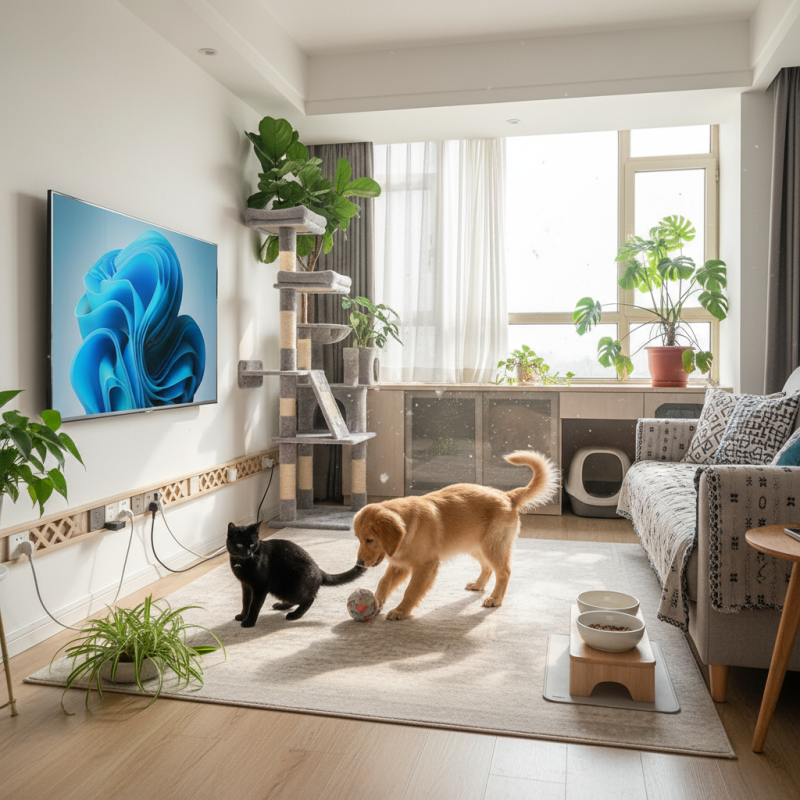
Top Pet Safety Tips for Indoor Living in China

Understanding Indoor Pet Safety Concerns in Chinese Homes

Creating a safe indoor environment for pets in Chinese homes involves a careful assessment of potential hazards. Many families overlook common items that can pose risks. For instance, household plants like lilies and azaleas are toxic to cats and dogs. Understanding what plants are safe is crucial for pet safety. Many homes have limited space, making plants not just decor but also a hazard.

Additionally, small objects are often found on tabletops and floors. These can be choking hazards for curious pets. Items like coins, screws, and even small toys are often left out. It’s important to regularly check these areas. Storing cleaning supplies out of reach can prevent accidental poisoning. Pets are naturally curious, and they often investigate everything.

Moreover, open windows can be a danger. Many pets may fall or get caught trying to escape. Using window screens can help, but they’re not infallible. Some pets may still manage to push past them. It’s worth evaluating how secure your home really is. Regularly revisiting safety measures can be a simple fix for potential dangers. Awareness and proactive steps can significantly enhance a pet’s safety indoors.

Essential Preparations for Pet-proofing Your Indoor Space

Creating a pet-friendly indoor space involves careful preparation. Start with securing all potential hazards. This includes electrical cords and breakable items. Pets are curious. They often explore with their mouths. Keep harmful substances, like cleaning supplies, out of reach. Consider using childproof locks on cabinets. This small step can prevent accidents.

Another vital aspect is providing designated play areas. A cozy corner with toys encourages your pet to engage safely. Regularly inspect these areas for wear and tear. Pets can quickly destroy toys, posing choking risks. Rotate toys to maintain their interest and keep them safe.

Never underestimate the importance of proper ventilation. Good airflow helps reduce odors and allergens. Regularly open windows for fresh air. However, ensure screens are secure to prevent escapes. Always evaluate your space for new risks as your pet grows. This ongoing process can be challenging, but it's essential for your pet's safety.

Top Pet Safety Tips for Indoor Living in China - Essential Preparations for Pet-proofing Your Indoor Space

Tip Description Importance Level
Secure Loose Wires Organize and secure electrical cords to prevent chewing hazards. High
Keep Toxic Plants Out Remove or place toxic plants (e.g., lilies, azaleas) out of reach. High
Store Chemicals Safely Keep cleaning supplies and chemicals in locked cabinets. High
Block Small Openings Seal gaps and openings to prevent pets from getting stuck. Medium
Use Non-Slip Mats Place non-slip mats in areas where pets may slip and fall. Medium
Install Safety Gates Use gates to restrict access to stairways or hazardous areas. High
Supervise Playtime Always supervise playtime to prevent accidents and injuries. High

Common Indoor Hazards for Pets and How to Avoid Them

Indoor living presents unique challenges for pet safety. First, be aware of common hazards lurking around your home. For example, houseplants can be toxic to pets. Animals might nibble on leaves, leading to serious illnesses. Ensure all plants are pet-safe or out of reach.

Next, cords and small objects can pose choking hazards. Many pets are curious and tend to chew on things. Keep chargers, wires, and small items stored securely. Consider using cord organizers to prevent any unfortunate accidents.

Lastly, secure your trash cans. Many pets are attracted to food scraps, which can be dangerous. Items like bones, wrappers, and certain foods can harm them. A locked trash bin can be a simple solution to this problem. Reflect on your home environment regularly. Safety is an ongoing process, not a one-time check.

Top Pet Safety Tips for Indoor Living in China

Creating a Safe and Stimulating Environment for Indoor Pets

Creating a safe and stimulating environment for indoor pets is essential for their well-being. Start by assessing your living space. Remove any toxic plants or hazardous items. These can be harmful if ingested. Keeping cleaning supplies out of reach is also crucial. Even small changes in your home can make a big difference.

Providing mental and physical stimulation is key for indoor pets. Engage them with toys that encourage exploration. Puzzle feeders can keep them busy for hours. Simple things like cardboard boxes can spark their curiosity too. Regular playtime helps to strengthen your bond, but it's not always easy. Some days, it might feel overwhelming. Reflecting on these moments is important for growth.

Establishing routines also benefits indoor pets. Consistent feeding and play times help them feel secure. However, not every day goes as planned. Life can be unpredictable, and your pet might react differently. Observing their behavior helps you adapt and respond better. A safe environment not only requires effort, but it also invites patience and empathy.

Health and Wellness Tips for Indoor Pets Living in China

Indoor living can be a challenge for pets in China. The environment, often filled with noise and pollution, may affect their health. Regularly check the air quality inside your home. Open windows when possible to let fresh air circulate. Use air purifiers to help minimize allergens and dust. Ensure your pet has a clean space to rest.


Diet plays a crucial role in their wellness. Many pet owners overlook the importance of a balanced diet. Research suitable food choices, considering your pet's age and breed. Fresh vegetables can be a great addition to their meals. However, monitor their reactions. Some pets may have allergies, leading to digestive issues. Always consult a veterinarian before making significant diet changes.


Routine exercise is vital for indoor pets. Lack of physical activity can lead to obesity and behavioral issues. Create playtime schedules to engage your pets. Simple games like fetch or hide-and-seek can keep them active. Look for safe toys that encourage movement but also ensure they are durable and non-toxic. Remember that indoor pets still need stimulation and connection with their owners.

FAQS

: How can I secure potential hazards in my home for my pet?

: Start by securing electrical cords and breakable items. Keep harmful substances out of reach.

What should I do to create a play area for my pet?

Designate a cozy corner with toys. Regularly inspect the area for safety.

Why is ventilation important for pets?

Good airflow reduces odors and allergens. Open windows regularly, but ensure screens are secure.

How often should I evaluate my living space for new pet risks?

Regularly assess your space as your pet grows. New risks can appear at any time.

What types of toys are best for indoor pets?

Use toys that encourage exploration, like puzzle feeders and cardboard boxes.

How can I provide mental stimulation for my pet?

Engage your pet with interactive toys. Regular playtime fosters bonding and keeps them busy.

How can routines benefit my indoor pet?

Consistent feeding and playtimes help pets feel secure. Adapt as needed based on their behavior.

What challenges might I face while pet-proofing my home?

It can be overwhelming. Some days, keeping up with safety measures is difficult.

How can I reflect on my pet care routine?

Consider the challenges you face. Reflecting helps in personal growth as a pet owner.

Is it okay if my plans for my pet occasionally fall through?

Yes, not every day goes as planned. Observing your pet's reactions can help you adapt.

Conclusion

This article titled "Top Pet Safety Tips for Indoor Living in China" highlights the essential considerations for ensuring a safe environment for pets in Chinese households. It discusses the unique indoor safety concerns faced by pet owners, emphasizing the importance of pet-proofing living spaces. By identifying common indoor hazards, the article provides practical advice on how to mitigate risks to ensure the well-being of pets.

Furthermore, it underscores the significance of creating a stimulating and safe environment that caters to the needs of indoor pets, alongside offering health and wellness tips tailored to pets living in China. Overall, these pet safety tips for indoor living are crucial for fostering a secure and enriching habitat for beloved pets, enhancing their quality of life and keeping them safe from potential dangers.

Amelia

Amelia

Amelia is a seasoned marketing professional with a wealth of expertise in our company’s core offerings. With an unwavering passion for driving growth and innovation, she plays a pivotal role in shaping our marketing strategies and enhancing brand visibility. A key aspect of her responsibilities......