Living in a small space can be challenging for pet owners. However, with the right approach, we can create a happy environment for our furry friends. According to Dr. Emily Parker, a renowned pet behaviorist, “Small spaces don’t mean less joy for pets; it’s about creativity and care.” This statement emphasizes the need for thoughtful strategies in managing pet care.
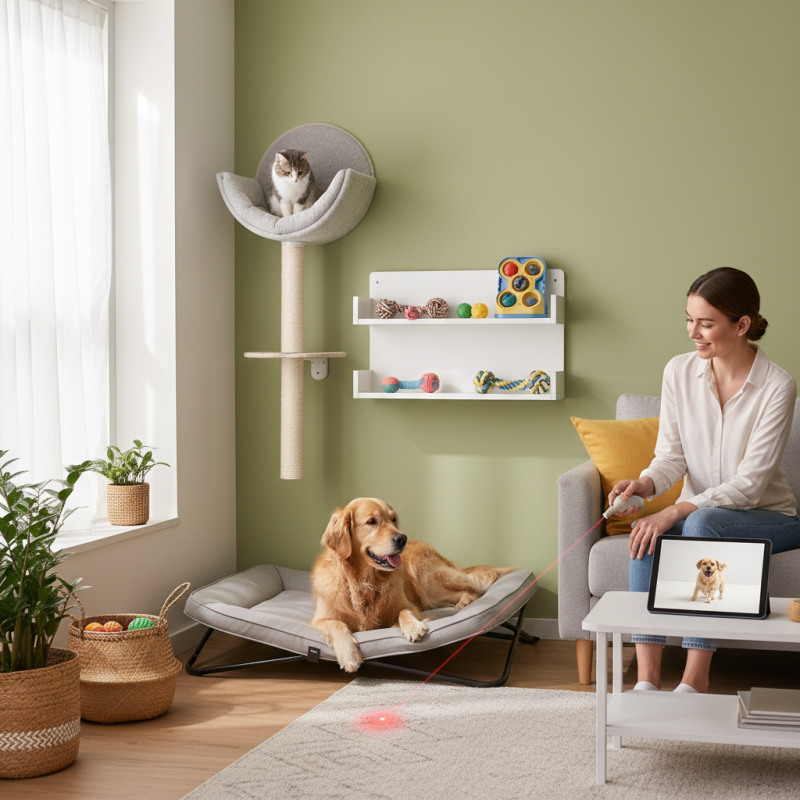
Pet care tips for small living spaces focus on maximizing comfort and minimizing stress. Items like foldable pet beds and wall-mounted shelves can save space while providing essential comfort. Enrichment is crucial; providing toys or interactive games keeps pets mentally stimulated, even in tight quarters. Owners may face challenges, like limited outdoor access, yet indoor exercise routines can mitigate these issues.
Creating a pet-friendly home in a small area requires attention and creativity. Consideration of your pet's needs versus space limitations might lead to occasional frustrations. However, these challenges can inspire innovative solutions. Embracing the journey of pet ownership, even in smaller environments, ultimately enriches both lives.
Choosing the Right Pets for Small Living Spaces
When selecting pets for small living spaces, consider their size and energy levels.
Smaller pets often fit better in compact areas. For instance, hamsters or guinea pigs require less room than large dogs.
Fish tanks can also enhance your space without taking much floor area. They add beauty and serenity too.
Think about the pet’s temperament. Some animals are more adaptable than others.
Cats usually navigate tight spaces with ease, while others might struggle.
Researching breeds is essential. Some dogs are content in small environments. However, high-energy breeds may need more room to roam.
A pet's needs should align with your living space.
Reflect on your lifestyle as well. Do you have time for walks, playtime, or grooming?
Smaller spaces can lead to increased mess. Frequent cleaning becomes necessary.
If you work long hours, consider adopting a lower-maintenance pet.
Ultimately, finding the right match enhances both your happiness and your pet's well-being.
Maximizing Space: Organizing Pet Supplies Efficiently
In small living spaces, organizing pet supplies can seem daunting. A study by the American Pet Products Association found that nearly 68% of U.S. households own a pet. This increase emphasizes the need for efficient organization. Effective solutions can create a happier environment for both pets and owners.
First, consider using vertical storage. Wall-mounted shelves and hooks maximize space. They can hold leashes, toys, and food containers out of sight. Pet owners often overlook these options. Additionally, use bins and baskets for easy access to supplies. Labeling these containers can save time when finding items.
Furthermore, decluttering plays a crucial role. Regularly assess what pet items are essential. Removing toys or supplies that are no longer used can clear up valuable space. According to a survey by the International Association of Pet Professionals, 65% of pet owners feel overwhelmed by the clutter. A minimalist approach promotes a calm living environment. Adopting these habits can improve space management while keeping your furry friends content.
Top 10 Pet Care Tips for Small Living Spaces
| Tip |
Description |
Benefits |
| Utilize Vertical Space |
Install shelves to store pet supplies. |
Frees up floor space, keeps items organized. |
| Compact Feeding Stations |
Use bowls that fit into a small mat. |
Minimizes mess and saves space. |
| Multi-Functional Furniture |
Incorporate pet beds into your furniture. |
Saves space while providing comfort. |
| Use Storage Bins |
Store toys and supplies in bins under furniture. |
Keeps area tidy and reduces clutter. |
| Invest in a Pet Gate |
Define pet areas without taking up much space. |
Maintains boundaries, allowing for a safe environment. |
| Rotating Toys |
Keep a limited number of toys out at a time. |
Keeps pets engaged without overcrowding. |
| Designated Play Area |
Create a small area for playtime. |
Helps manage energy and creates a routine. |
| Regular Walks |
Schedule daily exercise outside. |
Promotes health and happiness. |
| Pet-Friendly Decor |
Choose durable and washable materials. |
Sustains a clean and stylish living space. |
Creating a Comfortable Environment for Your Pets
Creating a comfortable environment for your pets in small living spaces can be challenging but rewarding. Start by maximizing vertical space. Shelves or cat trees can provide a sense of adventure. Dogs appreciate elevated spots too. Ensure their favorite spots are cozy and easily accessible. Soft blankets and beds in quiet corners help them feel secure.
Keep toys organized and within reach. A simple basket can declutter your living area. Rotate toys regularly to keep them engaged. Use multi-functional furniture, such as ottomans with storage, to save space. A small rug can define their play area while providing a safe, soft surface.
Air quality matters. Regularly clean to reduce dust and allergens. Open windows whenever possible for fresh air. Pets can thrive in a well-ventilated environment. Finally, consider the colors in your home. Calming shades can create a soothing atmosphere. In a cramped space, small adjustments can make a big difference. Pets sense our mood, so a relaxed vibe can keep them happier.
Exercise Solutions for Pets in Compact Areas
Living in a small space can be challenging for pet owners. However, exercise is crucial for keeping pets happy and healthy. For dogs, consider short, frequent walks instead of one long outing. Even five minutes of outdoor time can provide fresh air and stimulation. You can also play fetch in a hallway or a nearby park to engage your furry friend.
For cats, interactive toys are key. A laser pointer can create a fun chase. Cat trees or shelves improve vertical space usage, encouraging climbing and exploration. Designate a small play area with toys and encourage independent playtime. Think about using puzzle feeders to stimulate their minds and keep them active, too.
Finding balance can be tricky. Remember to assess what works for your pet. Adjust routines as needed, keeping a close eye on their happiness and energy levels. Small apartments may limit space, but a little creativity can go a long way in providing exercise. Embrace the imperfections of your living situation and adapt your pet care strategies.
Establishing Routine Care for Pets with Limited Space
Living in a small space poses unique challenges for pet owners. Establishing a routine can greatly enhance the well-being of pets and owners alike. Research shows that animals thrive on consistency. A daily schedule for feeding, walks, and playtime fosters a sense of security. According to a report by the American Pet Products Association, 68% of U.S. households own a pet. When living in limited space, routines become essential for a harmonious environment.
One effective tip is to create designated areas for pets. This can be a corner with their bed, toys, and food. Both dogs and cats benefit from having a space of their own. A study from the Journal of Applied Animal Welfare Science noted that pets with a defined area exhibit lower stress levels. An organized space can reduce clutter and confusion for your furry friends.
Make time for daily physical activities. Small spaces can limit movement, so get creative. Use interactive toys or engage in training exercises. Short bursts of activity can keep pets stimulated. The World Organization for Animal Health suggests that mental health is crucial for pets. Take time to observe their behavior; adjusting routines based on their needs can enhance their happiness. An imperfect routine can often yield surprising benefits, encouraging adaptation and growth.
Conclusion
In urban environments where living spaces are often limited, implementing effective pet care tips for small living spaces is essential for ensuring your pets are happy and healthy. Start by choosing pet breeds that are well-suited for compact areas, as some animals need more space to thrive than others. Organizing pet supplies efficiently can maximize your available space, making everything easily accessible.
Creating a comfortable environment involves making cozy resting spots and ensuring proper ventilation and lighting. Exercise solutions are crucial in smaller areas; consider interactive toys or short play sessions to keep your pets active. Lastly, establishing a consistent routine for feeding, grooming, and playtime helps maintain your pet's wellbeing even in a limited space. By following these pet care tips for small living spaces, you can provide a nurturing home for your pet while adapting to your surroundings.

 HURO Pets