Why Learn How To Improve Pet Feeding Habits? Because daily meals shape more than hunger. They influence weight, energy, digestion, dental health, and long-term disease risk. A full bowl may look generous, but it can quietly encourage overeating. Extra treats can also become invisible calories.
Veterinarian and pet obesity specialist Dr. Ernie Ward has said, “Obesity is the most common preventable disease in pets.” His warning gives this topic practical urgency. Learning How To Improve Pet Feeding Habits means measuring portions, choosing suitable food, and observing changes in body condition. It also means understanding that a lively puppy, an indoor senior cat, and a recovering dog need different routines. Feeding advice should never rely only on packaging claims or social media trends. A qualified veterinarian can assess age, breed, activity, medical history, and ideal weight.
Small details matter. Use a level measuring cup, not a loose handful. Keep treats below the daily calorie target. Fresh water should remain available. A slow-feeder bowl may help a pet that finishes dinner in seconds. Record meals for one week. Patterns become easier to notice.
Still, no plan works perfectly. Busy evenings can disrupt schedules. Family members may offer uncounted snacks. That is worth admitting, not hiding. Adjustments should be gentle and evidence-based. Sudden diet changes may cause stomach upset. Regular monitoring, honest notes, and veterinary guidance make healthier feeding more realistic. Better habits are built through repeatable choices, not perfection.
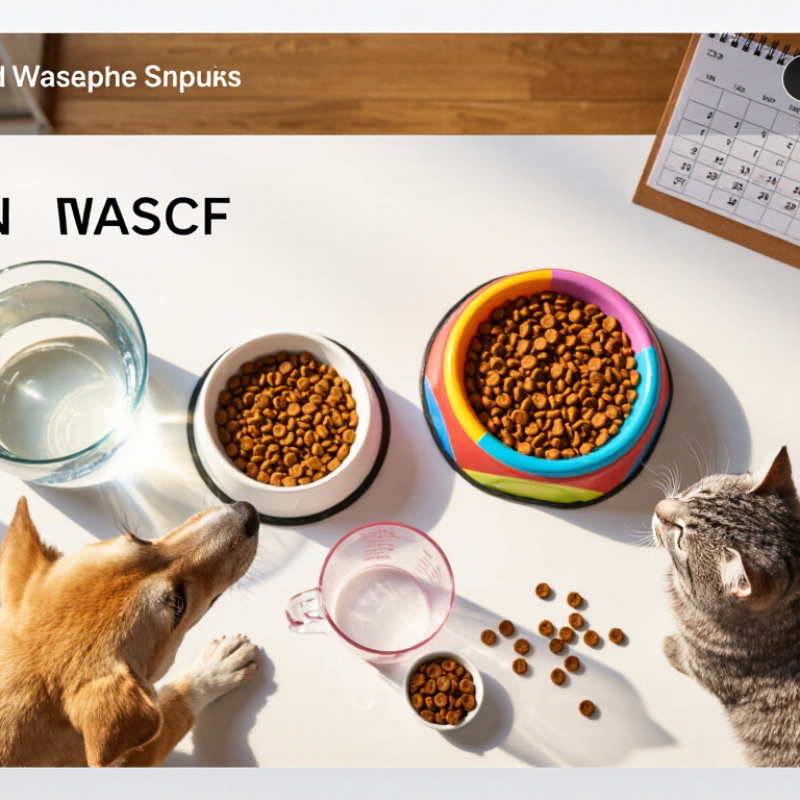
Feeding habits influence far more than a pet’s daily appetite. They can affect body weight, digestion, energy, hydration, and even behavior. A bowl filled too often may seem generous, yet it can quietly encourage overeating. Measured portions create a clearer picture of nutritional needs. Regular meal times may also reduce anxious begging and digestive discomfort.
In practical pet care, small observations matter. Watch how quickly your pet eats, whether water intake changes, and how stools look. Sudden appetite loss, repeated vomiting, or unusual thirst deserves veterinary attention. A veterinarian can assess age, activity, medical history, and suitable portion sizes. General advice cannot replace that evaluation. I have learned that consistency helps, but rigid routines can fail when a pet’s needs change.
Tips: Use a clean bowl and fresh water every day. Measure meals instead of guessing. Introduce dietary changes gradually. Keep treats limited and recorded. Feed pets separately if competition causes gulping. A slow-feeding method may help some fast eaters, though it is not a perfect solution. Observe patterns for several days before making adjustments. Small notes can reveal a problem earlier.
Learning to improve pet feeding habits begins with noticing small changes. An empty bowl does not always mean a healthy appetite. A pet that gulps food, begs constantly, or guards the bowl may be experiencing stress, boredom, or an unsuitable routine. Watch the body, too. Rapid weight gain, visible ribs, repeated vomiting, loose stools, or unusual thirst deserve attention.
Look at the daily pattern. Does your pet eat at midnight, skip breakfast, or receive several unmeasured treats? Food scattered around the bowl can reveal overeating or poor chewing. During feeding, observe posture and behavior. Flattened ears, sudden growling, pacing, or hiding may signal fear or competition. Cats may eat less when a bowl sits near noise, while dogs may rush when other animals approach. Small details matter.
I once assumed a pet was “just picky,” but a simple food diary showed inconsistent portions and frequent snacks. That judgment was too quick. Record meal times, measured amounts, treats, water intake, stool changes, and weekly weight. This creates useful evidence for a veterinarian, especially when symptoms persist. Avoid changing food suddenly or restricting meals without professional guidance. A feeding problem can reflect dental pain, digestive illness, anxiety, or another health concern. Gentle observation works better than punishment. Some signs are easy to miss.
Why Learn How To Improve Pet Feeding Habits?
Assessing Your Pet’s Nutritional and Feeding Needs
A healthy feeding routine begins with observation, not guesswork. The American Pet Products Association’s 2023–2024 National Pet Owners Survey reported that 66% of U.S. households own a pet. Yet ownership does not guarantee suitable nutrition. Each animal has different needs based on age, body condition, activity, breed size, and medical history. WSAVA nutrition guidelines recommend assessing these factors before selecting portions or feeding schedules.
Portion control deserves special attention. The Association for Pet Obesity Prevention estimated in its 2022 survey that 59% of dogs and 61% of cats were overweight or obese. Extra treats can quietly increase daily calories. A small biscuit may seem harmless beside a bowl, but repeated rewards can change body condition over several weeks. Check the food’s nutritional adequacy statement, measure meals with a scale, and monitor weight regularly. I have sometimes trusted visual judgment too much. That can be misleading.
Tips: Record meals, treats, water intake, and stool changes for seven days. Use your veterinarian’s body-condition assessment, rather than appearance alone. Adjust portions slowly, especially after neutering, illness, or reduced exercise. Keep fresh water available. Recheck weight after two to four weeks, and question any sudden appetite change. Feeding advice should remain flexible, because a standard portion may still be wrong for one individual.
| Pet Group | Core Nutritional Needs | Typical Feeding Frequency | Water and Hydration | Healthy Feeding Habit | What to Monitor |
|---|---|---|---|---|---|
| Adult Dogs | A complete and balanced diet supplying protein, fat, essential fatty acids, vitamins, minerals, and appropriate calories for size and activity level. | Usually 1–2 measured meals per day; two meals may help reduce long fasting periods and improve routine. | Fresh water should be available at all times. Daily intake commonly varies around 50–60 mL per kg of body weight, but activity, heat, and diet affect needs. | Measure portions, feed at consistent times, and adjust calories gradually when weight or activity changes. | Body weight, appetite, stool quality, energy level, and body condition score. A score of 4–5 on a 9-point scale is generally considered ideal. |
| Adult Cats | Cats require animal-based nutrients such as taurine, preformed vitamin A, and arachidonic acid. The diet should be complete, balanced, and calorie-controlled. | At least 2 measured meals per day; some cats benefit from several small portions that reflect their natural grazing behavior. | Fresh water should be available continuously. Total daily water needs often fall near 40–60 mL per kg, including moisture obtained from food. | Use portion control, provide multiple clean water sources, and avoid leaving unlimited food available when weight gain is a concern. | Body condition, muscle mass, litter-box habits, appetite, and changes in thirst or urination. |
| Puppies | Higher energy, protein, calcium, and phosphorus needs support growth. Large-breed puppies require carefully controlled mineral and calorie intake to reduce excessive growth risk. | Generally 3–4 meals per day when young, gradually reducing to 2 meals as maturity develops. | Fresh water should be available throughout the day, with increased attention during exercise or warm weather. | Feed a growth-formulated diet appropriate for expected adult size and change foods gradually over approximately 7 days. | Steady growth, body condition, stool consistency, and signs of digestive upset. Avoid excessive treats and rapid weight gain. |
| Kittens | Growth diets should provide concentrated energy, high-quality protein, taurine, essential fatty acids, and appropriate calcium and phosphorus. | Usually 3–4 small meals daily; younger kittens may need more frequent feeding. | Provide clean water at all times. Moist food can contribute significantly to daily water intake. | Use a complete growth diet, keep feeding areas quiet, and introduce new foods slowly. | Growth pattern, appetite, stool quality, hydration, and body condition. Sudden appetite loss requires prompt veterinary attention. |
| Senior Dogs and Cats | Nutritional needs vary with age, activity, kidney function, dental health, muscle condition, and chronic disease. There is no single diet suitable for every senior pet. | Usually 2 or more smaller measured meals may improve tolerance and make medication or appetite changes easier to manage. | Maintain constant access to fresh water and report increased thirst or urination, which can indicate a medical problem. | Schedule regular veterinary assessments and adjust calories, texture, or nutrient profile only with professional guidance. | Unintended weight loss or gain, reduced muscle, dental discomfort, appetite changes, vomiting, diarrhea, and mobility. |
| Overweight-Prone Pets | Calorie intake should match energy expenditure. Nutrient density, protein level, fiber, activity, and treat calories all influence weight management. | Use 2–3 pre-measured meals rather than unrestricted feeding. | Fresh water remains essential; water should never be restricted for weight control. | Keep treats and extras at no more than about 10% of daily calories and use measured portions or food puzzles. | Track body weight regularly and aim for gradual, veterinarian-guided weight loss rather than rapid restriction. |
| Pets with Medical Conditions | Kidney, liver, gastrointestinal, urinary, endocrine, food-allergy, and other conditions may require specific nutrient levels or therapeutic diets. | Follow the schedule recommended by the veterinarian; consistency is particularly important for some conditions and medications. | Hydration needs may change with illness. Do not use fluid restriction or supplementation without veterinary direction. | Avoid unapproved treats, supplements, table scraps, and sudden diet changes that could interfere with treatment. | Eating and drinking patterns, vomiting, diarrhea, urination, medication response, and laboratory results when applicable. |
General guidance: Individual calorie and nutrient requirements depend on species, age, body size, reproductive status, activity, environment, health, and current body condition. Food labels provide starting guidance, but feeding amounts should be adjusted with regular monitoring and veterinary advice.
Learning how to improve pet feeding habits starts with observing ordinary meals. A rushed cat may swallow food, while a dog may guard an overfilled bowl. These details matter more than guessing from appetite alone. Keep a three-day feeding record. Write down portions, timing, water intake, and stool changes. Use a kitchen scale when possible, because measuring cups can hide small errors. An adult pet’s needs vary with age, activity, body condition, and medical history. Ask a veterinarian to review unusual weight loss, vomiting, or persistent hunger.
Set meals at consistent times and place the bowl in a quiet corner. Keep it away from litter areas, loud machines, and heavy foot traffic. For fast eaters, divide the daily portion into smaller meals or use a puzzle feeder. Introduce changes gradually over several days. A sudden switch can upset digestion. Fresh water should remain available, especially after exercise or dry-food meals. Treats belong inside the daily calorie plan, not beside it. Small training rewards can quietly become a second dinner.
I once assumed a pet refusing breakfast was simply being difficult. That judgment was too quick. After checking the bowl location, schedule, and dental comfort, the pattern made more sense. Still, home observations have limits. Record what changes, and share clear notes with a qualified veterinary professional. Even a careful feeding plan may need adjustment when seasons, activity levels, or health conditions change.
Why Learn How To Improve Pet Feeding Habits?
Monitoring Progress and Adjusting the Feeding Routine
Improving feeding habits matters because small daily errors can slowly change a pet’s health. The Association for Pet Obesity Prevention estimated that 59% of dogs and 61% of cats were overweight or obese in its 2022 clinical survey. Extra treats, generous portions, and reduced activity often hide in normal routines.
Progress needs visible evidence. Weigh food with a kitchen scale, not a cup filled by guesswork. Record meals, treats, activity, and weekly body weight in a simple log. A waist that gradually disappears may signal trouble. The World Small Animal Veterinary Association recommends body condition scoring, usually on a nine-point scale, alongside regular veterinary assessment.
Look for steady change.
A safe routine should be adjusted carefully. If weight remains unchanged for three or four weeks, ask a veterinarian to review portions, activity, and possible medical factors. Reducing food too sharply can create hunger, stress, or nutrient imbalance. A practical adjustment may involve removing one small treat daily, measuring every meal, or adding short play sessions.
My own reflection is simple: consistency is harder than choosing a feeding plan. One missed measurement can become a habit. Treats given by several family members can also distort the record. Professional guidance from the American Animal Hospital Association emphasizes individualized nutrition plans, because age, activity, body condition, and health history all affect calorie needs. Sources: APOP 2022 Pet Obesity Survey; WSAVA Global Nutrition Toolkit; AAHA Nutrition and Weight Management Guidelines.
Monitoring progress helps identify whether a consistent feeding routine is improving appetite, meal completion, and healthy weight management. The example below shows four weeks of routine tracking for one adult pet.
A stable routine is generally reflected by consistent meal completion and gradual, controlled changes in body weight. Adjust feeding amounts or timing only after reviewing several days of records, and consult a veterinarian when appetite or weight changes are sudden or persistent.
Gulping, constant begging, bowl guarding, or scattered food can signal stress or poor routine. Watch for vomiting, loose stools, unusual thirst, weight changes, or visible ribs. Some signs are easy to miss.
A seven-day diary can reveal inconsistent portions and hidden snacks. Record meal times, measured amounts, treats, water intake, stools, and weekly weight. I once blamed picky eating too quickly.
Weigh meals with a kitchen scale instead of estimating by eye. Include treats in the daily calorie plan. A small biscuit, repeated often, can become a second dinner.
Check weight regularly and compare it with body-condition guidance from a veterinarian. Recheck two to four weeks after portion changes. Visual judgment can mislead me.
Choose a quiet corner away from loud machines, heavy foot traffic, and litter areas. Cats may eat less near noise. Dogs may rush when another animal approaches.
Divide the daily portion into smaller meals or use a puzzle feeder. Watch for gulping, coughing, or food scattered around the bowl. Slow eating can reduce rushed behavior.
Avoid sudden changes because digestion may react badly. Introduce new food gradually over several days. Stop and seek veterinary advice if vomiting or diarrhea persists.
Seek professional advice for persistent hunger, sudden appetite changes, weight loss, repeated vomiting, or loose stools. Dental pain, illness, anxiety, or routine problems may look similar. Home observations have limits.
Learning How To Improve Pet Feeding Habits is an important part of supporting a pet’s overall health, energy, and quality of life. Feeding habits influence weight, digestion, behavior, and long-term wellness, so owners should pay attention to signs of unhealthy routines, such as overeating, refusing meals, eating too quickly, begging constantly, or showing sudden changes in appetite. Understanding a pet’s age, size, activity level, health condition, and nutritional needs can help create a more suitable feeding plan.
Practical improvements may include setting consistent meal times, offering properly measured portions, providing fresh water, reducing unnecessary treats, and encouraging slower, calmer eating. Owners should introduce changes gradually and observe how their pets respond. Monitoring body condition, appetite, digestion, and daily behavior makes it easier to determine whether the routine is effective. If problems continue or new symptoms appear, the feeding schedule and nutritional approach should be reviewed and adjusted with professional guidance.

HURO Pets