How to Choose Pet Supplies Wisely for Your Pet?

Time:2026-11-03 Author:Madeline
0%

Choosing pet supplies can feel like a small errand: a food bag, a leash, a chew toy. Yet the wrong size, material, or feeding choice can cause discomfort, waste money, or create avoidable risks. How To Choose Pet Supplies Wisely starts with your pet—not a trending label or the brightest package. Consider age, size, health needs, activity, and habits. A senior dog may need a supportive bed; a curious cat may need a sturdy scratching surface.

The American Pet Products Association’s 2024 State of the Industry report estimated U.S. pet-industry spending at $147 billion in 2023, with $150.6 billion projected for 2024. That scale offers choice, but spending is not proof of quality. For food decisions, veterinary nutritionist Dr. Lisa Freeman of Tufts University has emphasized: “There is no one best food for all pets.” Ask your veterinarian about your animal’s specific needs, and check labels, fit, cleaning instructions, and safety guidance before buying.

Small details matter. A collar should allow a comfortable fit; a toy should suit your pet’s size and chewing style. Watch how your pet uses each item. Does the harness rub? Does the bowl slide across the kitchen floor? Keep receipts, too. A purchase that looked sensible online may not work at home. This guide offers practical checks, while recognizing that no checklist replaces individual veterinary advice. Some choices still involve trial and adjustment. That deserves reflection.
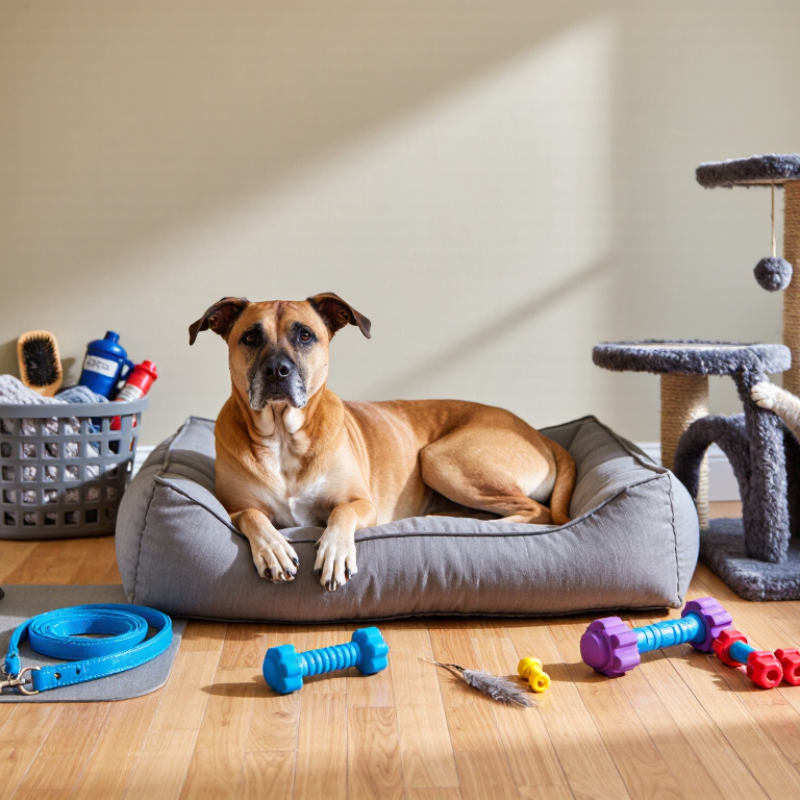
How to Choose Pet Supplies Wisely for Your Pet?

Assess Your Pet’s Species, Age, Size, and Health Needs

Choosing supplies begins with species, because a rabbit, cat, and parakeet use their mouths and paws differently. A rabbit may need a low-entry litter tray; a bird needs safe perches suited to its feet. Size matters. Measure your pet rather than guessing from breed labels. Check collar fit, carrier space, and whether a bowl is easy to reach.

Age changes what feels comfortable. Puppies and kittens may outgrow harnesses quickly, while senior pets can benefit from non-slip mats, shallow bowls, and beds with easier entry. Consider chewing strength and play style when choosing toys. Inspect seams and loose parts often. “Indestructible” is a tempting promise, but no toy suits every animal. Watch how your pet actually uses it.

Health needs can narrow choices further. A pet with arthritis may struggle on slick floors; one with allergies may react to certain fabrics or ingredients. Read material details, introduce new items gradually, and watch for itching, stress, or appetite changes. Ask your veterinarian about supplies related to a diagnosed condition. My first guess can be wrong; comfort is best judged over several ordinary days.

Set a Budget and Prioritize Essential Supplies

A sensible pet-supply budget starts with daily needs, not a crowded shopping cart. Food suited to your pet’s age, size, and health deserves priority. Ask a veterinarian before making major diet changes. Clean water matters. Choose bowls that are sturdy, easy to wash, and the right height for your animal. Small details count.

Separate one-time purchases from recurring costs. A carrier, secure enclosure, or properly fitted harness may be an initial expense; food, litter, waste bags, and grooming supplies need regular replacement. Write down expected monthly costs, then leave a little room for surprise needs. Prices can vary, and pets sometimes use supplies faster than expected. A simple note on your phone is enough to track spending.

Buy according to your pet’s actual routine. A cat may need a clean litter tray and scratching surface, while a dog may need a leash that fits without rubbing. Check sizing and safety before paying. It is tempting—and worth questioning—to choose attractive extras before covering the basics. I still have to pause and ask whether an item solves a real need. Wait a day on nonessential purchases. Replace worn or damaged equipment promptly, even when that means adjusting the budget.

How to Choose Pet Supplies Wisely for Your Pet?

Set a budget and prioritize essential supplies with this sample monthly budget allocation.

Illustrative percentages only—not a universal spending rule. Actual costs vary by pet, location, health needs, and the supplies already on hand. Cover essential food and care first, then adjust the remaining budget to your pet’s needs.

Check Safety, Materials, and Product Standards

When choosing a collar, toy, or food bowl, start with your pet’s size and habits. A small chew toy can become a choking risk for a large dog. Loose stitching, sharp edges, and parts that detach deserve a close look. Looks can mislead. Press seams gently and check whether small pieces come loose. For bowls, look for clear material information and instructions for cleaning. If a label is vague, do not assume the product is suitable for food or water.

Read the care and safety information, including age or weight limits. Check whether the product meets safety standards applicable where you live, and look for evidence of testing rather than relying on a broad “safe” claim. Small details matter. A bed that cannot be washed may hold dirt and odors, while a chew toy that is too hard could damage teeth. There is no single material that suits every pet; chewing style, allergies, and wear all matter. I can see how easy it is to trust a neat package, but a label cannot predict how one particular pet will use an item. Inspect supplies regularly, and ask a veterinarian when a health condition or unusual chewing habit affects your choice.

Compare Fit, Function, Durability, and Ease of Cleaning

APPA’s 2023–24 National Pet Owners Survey estimated that 66% of U.S. households own a pet. A good choice still starts with the individual animal. Measure your pet’s chest, neck, paws, or sleeping area, then compare those numbers with the product’s size guide. Check fit while your pet moves, not just while standing still. A harness should not rub behind the front legs; a bed should let your pet stretch out. Small details matter. If your pet is still growing, allow for change without choosing something loose or unsafe.

Function and durability deserve equal attention. Look for secure seams, stable bases, and materials suited to everyday use. A lightweight bowl may slide across tile; a soft carrier may sag under weight. Check care labels before buying, especially for items that collect saliva, food, or hair. NSF International’s 2011 Household Germ Study ranked pet food dishes fourth among the kitchen items it tested for germ presence. Choose bowls and toys that can be washed thoroughly, with few crevices that trap residue. I’d reconsider any item that looks sturdy but cannot be cleaned easily. Convenience is part of safety, too.

How to Choose Pet Supplies Wisely for Your Pet: Compare Fit, Function, Durability, and Ease of Cleaning
Supply Type Fit to Check Useful Function Durability Considerations Ease of Cleaning Best Selection Tip
Collar Measure the neck and leave room for two fingers between the collar and the pet’s neck. Holds an identification tag and may provide a leash attachment point. Check stitching, buckle strength, and hardware for wear; replace it if damaged. Many fabric and coated collars can be wiped or hand-washed; follow the care label. Choose a secure, adjustable fit and check it regularly, especially on growing pets.
Harness Measure the chest and neck according to the sizing guide; it should allow comfortable movement without rubbing. Distributes leash pressure across the body rather than concentrating it at the neck. Inspect straps, seams, and clips for fraying, cracks, or loose stitching. Washable fabric styles are usually straightforward to clean; air-dry fully before use. Try it on before a walk and confirm that the pet cannot easily back out of it.
Food and Water Bowl Select a height and capacity suitable for the pet’s size and eating habits. Provides a stable place for meals and fresh water; a non-slip base can reduce sliding. Stainless steel and intact glazed ceramic are generally sturdy; check ceramic for chips or cracks. Smooth, dishwasher-safe bowls are typically easier to clean. Wash food and water bowls regularly. Choose a bowl that is easy to reach and large enough to reduce spills without encouraging overfilling.
Pet Bed Measure the pet while resting and allow space for its preferred sleeping position. Offers a dedicated resting place; bolsters may suit pets that like to lean against an edge. Look for sturdy seams and a well-made cover; foam can lose support with prolonged use. A removable, machine-washable cover makes routine cleaning easier; check whether the insert is washable. Match the bed’s shape and support to the pet’s size, age, and sleeping style.
Leash Choose a length and handle style that the handler can control comfortably. Connects to a collar or harness for supervised walks and outings. Check the clip, attachment point, and material for corrosion, fraying, or weakened areas. Fabric leashes can often be hand-washed; dry them completely before storing. Use a leash appropriate to the pet’s size and strength, and inspect it before each outing.
Carrier The pet should be able to stand, turn around, and lie down comfortably inside. Supports secure transport; ventilation and reliable closures are essential. Check the frame, door, seams, and fasteners for damage before travel. Removable liners and smooth interior surfaces simplify cleaning after spills or accidents. Confirm that the carrier meets the requirements of the intended transport provider before traveling.
Toy Choose a size that is not small enough to be swallowed or lodged in the throat. Can encourage play, movement, or problem-solving, depending on the toy design. Durability varies by material and play style; no toy is indestructible, so supervise use. Prefer toys that can be rinsed or washed as directed; discard items that cannot be cleaned safely. Match the toy to the pet’s chewing habits and remove it if pieces loosen or break off.
Litter Box It should be large enough for the cat to enter, turn around, and dig comfortably. Provides a designated toileting area; entry height and cover style affect accessibility and preference. Inspect plastic for cracks or deep scratches, which can be harder to clean thoroughly. Smooth surfaces are easier to scoop and wash; remove waste regularly and clean the box routinely. Choose a box the cat can access easily and place it in a quiet, convenient location.

Review Labels and Adjust Supplies as Your Pet’s Needs Change

How to Choose Pet Supplies Wisely for Your Pet?

A pet’s needs can change with age, activity, health, and even the season. A food that suited an energetic young dog may not suit an older, less active one. Check the label each time you buy, rather than relying on familiar packaging. Look at feeding guidance, ingredients, care instructions, and any age or size recommendations. If a label is unclear, ask a veterinarian or a qualified pet-care professional. Small print matters.

Watch your pet after introducing a new food, litter, harness, or grooming product. Changes in appetite, stool, skin, movement, or behavior can be useful clues, though they do not prove a product caused the problem. Make one change at a time when practical, and keep notes on dates and reactions. I can still overlook details when shopping in a hurry; comparing labels at home may be wiser. Stop using a product that appears to cause irritation, and seek veterinary advice for concerning symptoms.

Tips: Measure food with a scoop, but check portions against the current label and your veterinarian’s advice. Recheck collars and harnesses as your pet grows; you should be able to fit two fingers comfortably beneath a properly adjusted strap. Replace worn toys with damaged seams or loose pieces. Needs shift. Review supplies every few months, and after major changes in health or routine.

FAQS

How should I choose supplies for different pet species?

Start with how your pet moves, eats, and explores. Rabbits may need low-entry litter trays, while birds need perches that fit their feet. Watch how your pet uses each item.

How can I make sure a collar, harness, or bed fits?

Measure your pet instead of guessing from breed labels. Check the fit while your pet moves. You should fit two fingers beneath a properly adjusted collar or harness. A bed should allow a comfortable stretch.

Which supplies may help senior pets?

Non-slip mats can help on slick floors. Shallow bowls and beds with easier entry may also be more comfortable. Small details matter.

How can I choose safe, durable toys?

Consider your pet’s chewing strength and play style. Inspect seams and loose parts often, and replace damaged toys. No toy suits every animal, despite what a label might suggest.

What should I check before buying bowls or carriers?

Look for stable bases, secure seams, and materials that suit everyday use. A lightweight bowl may slide on tile, while a soft carrier may sag. Check that items are easy to wash thoroughly.

How should health needs affect supply choices?

Allergies, arthritis, and other health concerns may affect which materials or designs work well. Introduce new items gradually and watch for itching, stress, or movement changes. Ask your veterinarian about supplies for a diagnosed condition.

What should I review on pet supply labels?

Check feeding guidance, ingredients, care instructions, and age or size recommendations. Read the label each time you buy; familiar packaging can change. Small print matters.

How can I tell whether a new product is working?

Introduce one change at a time when practical. Note dates and changes in appetite, skin, stool, movement, or behavior. These clues do not prove the product caused a problem. I can still miss things.

How often should I review my pet’s supplies?

Recheck supplies every few months and after changes in health or routine. Adjust collars and harnesses as your pet grows, and check food portions against current guidance. Needs shift.

Conclusion

How To Choose Pet Supplies Wisely starts with understanding your pet as an individual. Consider their species, age, size, activity level, and health needs before choosing food containers, bedding, toys, grooming tools, or other essentials. Set a realistic budget, then prioritize items that support your pet’s daily comfort, safety, and care. A thoughtful plan can help you avoid unnecessary purchases while making sure important needs are covered.

Before buying, examine product materials, safety information, and quality standards. Compare each item’s fit, function, durability, and ease of cleaning to find options suited to your home and your pet’s habits. Read labels carefully, follow care instructions, and check that products are appropriate for your pet’s size and stage of life. As your pet grows or their health and routines change, review your supplies and make adjustments so their essentials continue to meet their needs.

Madeline

Madeline

Madeline is a dedicated marketing professional with a wealth of expertise in our company's core offerings. With a keen understanding of the industry, she brings a unique perspective to her role, consistently delivering high-quality content that highlights the superior aspects of our products. As......