Keeping pets clean is not about making them smell like perfume. It is about protecting their skin, teeth, paws, ears, bedding, and shared living spaces. How To Maintain Pet Hygiene Daily begins with small, repeatable habits that fit your pet’s age, coat type, health, and lifestyle. A short paw check after a muddy walk can prevent dirt from spreading across floors. Fresh water bowls need regular washing, while food dishes may require cleaning after every meal. Bedding also deserves attention, especially when moisture, shedding, or outdoor debris collects inside the fabric.
This product guide focuses on practical tools, including gentle brushes, pet-safe wipes, nail trimmers, toothbrushes, washable mats, and mild shampoos. Choose products made for animals, and follow label instructions carefully. Human soaps, strong fragrances, and household disinfectants may irritate sensitive skin or cause harm if licked. A veterinarian can offer better advice when your pet has allergies, recurring ear problems, dental pain, or unusual odor. Daily care should feel calm, not forced. Slow handling helps nervous pets trust the routine.
Perfect consistency is unrealistic. I sometimes miss a brushing session. That matters less than returning to the routine. Over-cleaning can also create problems by drying the skin or causing stress. Watch for redness, swelling, broken nails, bad breath, or changes in behavior. These signs deserve professional attention rather than another cleaning product. With sensible choices and honest observation, hygiene becomes a simple form of daily care, not a cosmetic performance.
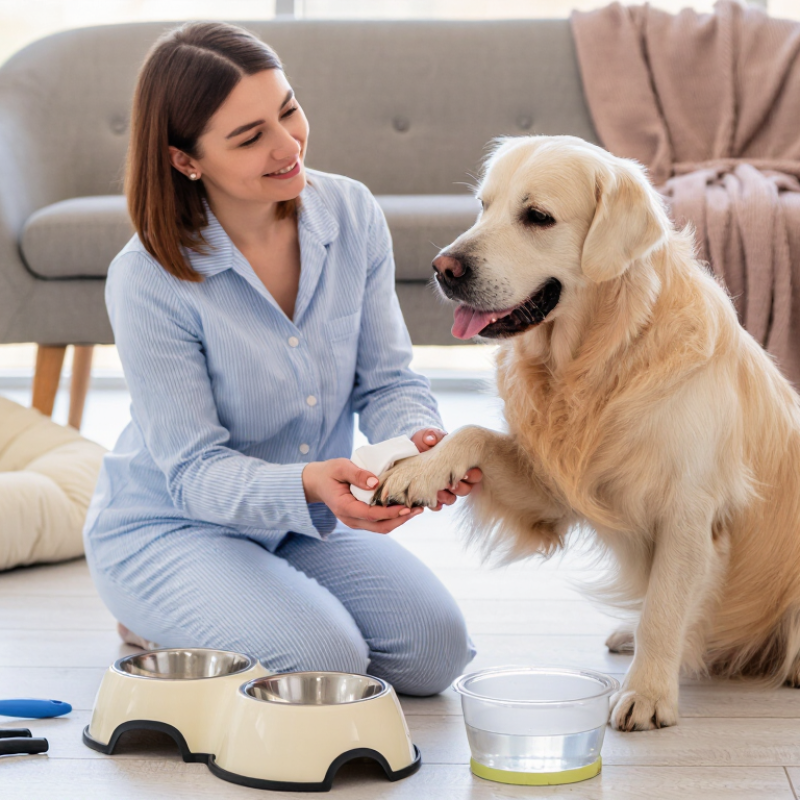
Daily pet hygiene starts with small routines, not occasional deep cleaning. A soft-bristled brush removes loose fur, dust, and early skin flakes before they spread indoors. I check paws after walks, especially between the toes and around cracked pads. A damp, clean cloth is usually enough for ordinary dirt. Avoid human shampoo. Use a pet-formulated cleanser when bathing is genuinely needed, and follow veterinary guidance for sensitive skin. Overbathing can strip protective oils and cause itching.
Fresh water deserves daily attention. Wash bowls with warm water and mild, pet-safe detergent, then rinse away all residue. Replace bedding regularly; hot washing helps reduce odors, dander, and some common parasites. A washable mat near the door can catch rain, mud, and grit before they reach the floor.
For dental care, choose a veterinary-approved toothbrush and pet toothpaste, never products containing ingredients unsafe for animals. Check ears weekly for redness, strong odor, or unusual discharge. Do not insert cotton swabs deeply.
Product choice should match species, coat type, age, and medical history. A long-haired cat needs different grooming tools than a short-haired dog. Keep grooming supplies dry, labeled, and away from curious mouths.
If odor persists after cleaning, or skin changes appear, arrange a veterinary examination. Home care helps, but it cannot diagnose infection. I learned this the hard way with a nervous rescue dog. I still miss a paw underside sometimes; checking again is the safer habit.
Daily pet hygiene starts with products suited to your animal’s species, age, coat, and skin condition. A gentle brush removes loose fur without pulling healthy skin. Choose shampoos with clear ingredient lists and avoid strong fragrances, harsh dyes, and unexplained “natural” blends. Natural does not always mean harmless. Read the label.
I once used a heavily scented cleaner near a pet’s sleeping area. The smell lingered, and my cat avoided the room. That mistake taught me to prioritize ventilation and simple formulas. For floors, bowls, and carriers, follow the product’s dilution instructions carefully. Never mix cleaning chemicals. Rinse food-contact surfaces thoroughly and let them dry before use.
Observe your pet after grooming or cleaning. Red skin, excessive licking, coughing, watery eyes, or unusual hiding may signal irritation. Stop using the product and seek veterinary advice if symptoms continue. A veterinarian can also recommend suitable formulas for allergies, wounds, parasites, or chronic skin problems.
Keep grooming tools clean and dry between uses. Store all products in closed cabinets, away from curious paws and children. I still check labels twice, because packaging can change and memory is unreliable. Small routines matter: wash bedding regularly, wipe muddy paws with clean water, and replace damaged brushes.
Daily Coat, Skin, and Paw Care
Daily hygiene begins with a brief inspection, not a long grooming session. The APPA 2023–2024 National Pet Owners Survey reports that 66% of U.S. households own a pet. That scale makes simple home-care habits especially important. Run a soft brush through the coat, checking for mats, redness, flakes, or unusual odor. Use a damp, clean cloth around the face. Never push debris deeper into the ears. Avoid human shampoo, which may irritate sensitive skin.
Wipe paws after outdoor walks, especially after rain or muddy play. Check between the toes for grit, small cuts, swelling, or salt residue. Dry the pads carefully with a towel. Trim excess hair only when it blocks the pads, and use suitable grooming tools. A daily paw check takes less than two minutes. Small details matter.
Skin should feel flexible, without persistent heat, greasy patches, or broken areas. Merck Veterinary Manual identifies itching, hair loss, odor, and inflammation as common signs of skin disease. Do not mask these signs with repeated bathing. Ask a veterinary professional when symptoms continue, spread, or cause scratching. My routine is not flawless; I sometimes miss a damp paw after a rushed walk. That is worth correcting, not ignoring.
| Care Area | Recommended Product or Tool | Step-by-Step Daily Routine | Suggested Frequency | Key Benefits | Safety and Usage Notes |
|---|---|---|---|---|---|
| Coat Brushing | Soft bristle brush, slicker brush, or wide-tooth comb matched to coat type | Check for mats first. Brush gently in the direction of hair growth, beginning at the neck and moving toward the tail. Finish by checking behind the ears, under the legs, and around the collar. | Daily or every other day | Removes loose hair, dirt, and surface debris while helping distribute natural skin oils. | Use a wide-tooth comb for long or curly coats. Do not pull through tight mats; painful matting may require professional grooming or veterinary advice. |
| Skin Check | Bright light and a clean grooming towel | Part the coat in several areas and look for redness, scabs, swelling, unusual odor, parasites, or areas of excessive scratching. Gently wipe away surface dirt with a damp towel. | Daily visual check | Helps identify irritation, wounds, hot spots, or parasite evidence at an early stage. | Do not apply human creams, essential oils, or medicated products unless recommended by a veterinarian. |
| Paw Cleaning | Pet-safe wipes or a bowl of lukewarm water with a soft towel | Inspect each paw, including between the toes and around the pads. Wipe away dirt and residue, then dry thoroughly, especially between the toes. | After outdoor walks | Reduces tracked-in dirt and removes possible irritants such as road salt, mud, or lawn residue. | Never use hot water or harsh household cleaners. Contact a veterinarian if pads are cracked, bleeding, swollen, or persistently licked. |
| Paw Pad Care | Veterinarian-approved paw balm, when needed | Clean and dry the paws first. Apply a thin layer only to dry or rough pads and supervise the pet briefly to limit immediate licking. | As needed | May help protect dry paw pads from mild environmental wear. | Avoid products containing ingredients unsafe for pets. Paw balm is not a substitute for treatment of burns, deep cracks, or infections. |
| Ear Hygiene | Veterinary-approved ear-cleaning solution and cotton pads or gauze | Lift the ear flap and inspect the visible outer area. Apply cleaner only as directed, gently massage the base, allow the pet to shake, and wipe the outer ear. | Inspect daily; clean only when needed | Helps remove excess wax and supports routine monitoring of ear health. | Do not insert cotton swabs deep into the ear canal. Stop if the pet shows pain, and seek veterinary care for odor, discharge, swelling, or frequent head shaking. |
| Eye Area | Sterile saline or a clean, damp, lint-free cloth | Wipe from the inner corner outward using a fresh section of cloth for each eye. Remove only loose surface discharge. | Daily inspection; wipe as needed | Keeps the surrounding fur clean and helps reveal changes such as redness or unusual discharge. | Do not use household disinfectants or unapproved eye drops. Seek veterinary advice for squinting, cloudiness, swelling, pain, or persistent discharge. |
| Dental Care | Pet toothbrush or finger brush and pet-formulated toothpaste | Let the pet taste a small amount of toothpaste. Lift the lips and brush the outer surfaces of the teeth using small, gentle motions, concentrating near the gumline. | Daily; several times weekly if starting gradually | Helps reduce plaque accumulation and supports healthier gums and breath. | Use toothpaste formulated for pets; human toothpaste may contain ingredients that are unsafe if swallowed. Dental cleaning under anesthesia may still be needed professionally. |
| Nail Inspection | Pet nail clippers or a nail grinder | Check nail length and the condition of the paw. If trimming, remove only small amounts at a time and reward calm behavior after each paw. | Inspect weekly; trim as needed | Reduces the risk of overgrown nails affecting posture, movement, or comfort. | Locate the quick before cutting. If nails are dark or the pet is anxious, use a professional groomer or veterinary team. |
| Bathing | Pet-specific shampoo, lukewarm water, absorbent towels, and a non-slip mat | Brush before bathing, wet the coat thoroughly, apply diluted or ready-to-use pet shampoo as directed, rinse until the water runs clear, and dry completely. | Only when dirty or advised for the coat and skin | Removes accumulated dirt and odors without unnecessarily stripping protective skin oils. | Frequent bathing can cause dryness. Keep shampoo away from eyes and ears, and avoid human shampoo unless specifically approved by a veterinarian. |
| Bedding and Accessories | Washable bedding, pet-safe laundry detergent, and a clean brush for collars or harnesses | Remove loose hair and debris daily. Wash bedding and fabric accessories according to their care instructions, then dry completely before use. | Remove debris daily; wash weekly or when soiled | Reduces buildup of hair, dirt, allergens, and odors in the pet’s resting area. | Avoid strongly fragranced products and confirm that bedding is fully dry to help prevent damp odors and skin irritation. |
| Parasite Observation | Fine-tooth flea comb and good lighting | Comb around the neck, base of the tail, abdomen, and inner legs. Check the comb and skin for live parasites or dark specks. | Daily during outdoor activity or high-risk seasons | Supports early detection of external parasites and related skin irritation. | Use preventive medication only as directed for the pet’s species, weight, age, and health status. Ask a veterinarian before combining products. |
Routine reminder: Healthy hygiene routines should be gentle and consistent. Sudden changes in odor, skin appearance, behavior, appetite, or grooming habits should be discussed with a veterinarian.
How to Maintain Pet Hygiene Daily Product Guide
Maintaining Clean Teeth, Ears, Eyes, and Claws
Daily hygiene is easier when it becomes a calm, familiar routine. I check my pet under good light before choosing any grooming product. This helps me notice redness, swelling, bad odors, or unusual discharge early. Small changes matter. A soft pet toothbrush and veterinary-formulated toothpaste can remove surface buildup from teeth. Never use human toothpaste, because some ingredients may harm animals. For ears, use a pet-safe cleanser and cotton pads around the outer ear. Do not push cotton swabs into the canal. I learned this after cleaning too deeply once, which made my pet uncomfortable.
Tips: Let your pet smell each product first. Reward quiet behavior with gentle praise. Keep sessions short, even if the job feels unfinished. Clean eye corners with a separate damp pad for each eye. Wipe outward, using a fresh section each time. Persistent tearing, cloudiness, or thick discharge needs professional attention. Claws require steady lighting and a sharp, correctly sized trimmer. Remove only the pointed tip, especially when claws are dark. Stop if your pet struggles. A small mistake can cause bleeding and fear. I sometimes trim fewer claws than planned, and that is better than forcing the process. Regular checks also help reveal cracked claws, sore paw pads, or changes in walking.
Daily pet hygiene is less about fragrance and more about removing invisible residue. The CDC advises washing hands after handling pet food, bowls, or waste. NSF International’s household germ study ranked pet bowls among the home’s most contaminated items. Food films can support bacteria, especially in warm, damp rooms.
Wash food and water bowls every day with hot water and dish soap. Rinse thoroughly, then air-dry completely.
Sanitize hard toys weekly, or sooner after illness, using a pet-safe product as directed. Never mix cleaners.
Fabric toys need closer inspection; discard them when seams open or stuffing stays damp. Wash bedding weekly on the hottest safe cycle, then dry it fully. Vacuum fur from sleeping areas before cleaning, because hair can hide dirt and allergens.
Tips:
Keep two bowl sets. Rotate them. Wipe feeding mats daily. Clean floor edges and crate corners weekly. Let disinfected surfaces dry before pets return. I once focused only on bowls and missed the rubber mat underneath. That mistake matters. Living areas need attention too, especially near litter boxes, outdoor doors, and water spills. Review routines after seasonal shedding or stomach upset. For product directions, follow the label and guidance from veterinary professionals and public-health agencies.
Match the product to your pet’s species, age, coat, and skin condition. Choose clear ingredient lists and gentle formulas. Natural ingredients are not automatically harmless. Read the label twice.
Avoid strong fragrances, harsh dyes, and unexplained ingredient blends. A simple formula is often easier to assess. Strong smells can linger near bedding or sleeping areas.
Follow the stated dilution instructions carefully. Never mix cleaning chemicals. Rinse food-contact surfaces thoroughly, then let them dry completely.
Watch for red skin, excessive licking, coughing, watery eyes, or unusual hiding. Stop using the product if these signs appear. Seek professional advice if symptoms continue.
Let your pet smell the product before grooming begins. Keep each session short and use gentle praise. The job may remain unfinished. That is sometimes better.
Use a soft pet toothbrush and toothpaste made for animals. Never use human toothpaste. For ears, clean only the outer area with a pet-safe cleanser and cotton pads.
Use a separate damp pad for each eye. Wipe outward with a fresh section each time. Persistent tearing, cloudiness, or thick discharge needs professional attention.
Use good lighting and a sharp, correctly sized trimmer. Remove only the pointed tip, especially on dark claws. Stop if your pet struggles. Fewer claws are better than forced handling.
Clean and dry grooming tools between uses. Store products in closed cabinets, away from children and curious paws. Check labels regularly because packaging can change.
Wash bedding regularly and wipe muddy paws with clean water. Check the skin, ears, eyes, claws, and walking pattern under good light. Small changes matter.
How To Maintain Pet Hygiene Daily begins with a simple, consistent routine tailored to your pet’s needs. Choose gentle, pet-safe grooming and cleaning products without harsh ingredients, and check labels carefully for suitability. Each day, brush the coat, inspect the skin for irritation, clean the paws after outdoor activities, and keep fur dry and free from tangles. Regular attention helps detect small problems before they become serious and keeps pets comfortable.
Daily hygiene also includes brushing teeth with pet-appropriate supplies, checking ears and eyes for dirt or unusual discharge, and trimming claws carefully when needed. Wash bedding regularly, clean food and water bowls, sanitize toys according to their materials, and remove dirt from the pet’s living areas. A clean environment, safe handling, and calm, gradual routines support healthy skin, fresh breath, comfortable movement, and overall well-being.

HURO Pets