Creating a pet-friendly environment is essential for pet owners. Pets thrive in spaces that cater to their needs. It's crucial to know how to create a pet-friendly environment to ensure their happiness and safety.
Consider your home's layout. Open spaces allow pets to move freely and explore. Use non-toxic plants and materials. Safety should always come first. Many pet owners overlook small hazards, like loose wires or breakable items. These can lead to accidents.
Think about the comfort of your pets. Soft bedding and cozy corners create a welcoming atmosphere. When you plan your space, remember that pets can have their quirks. An area for play and rest is necessary for their well-being. Reflect on your choices and adjust as needed to make improvements. Creating a pet-friendly home is an ongoing journey, not a one-time task.
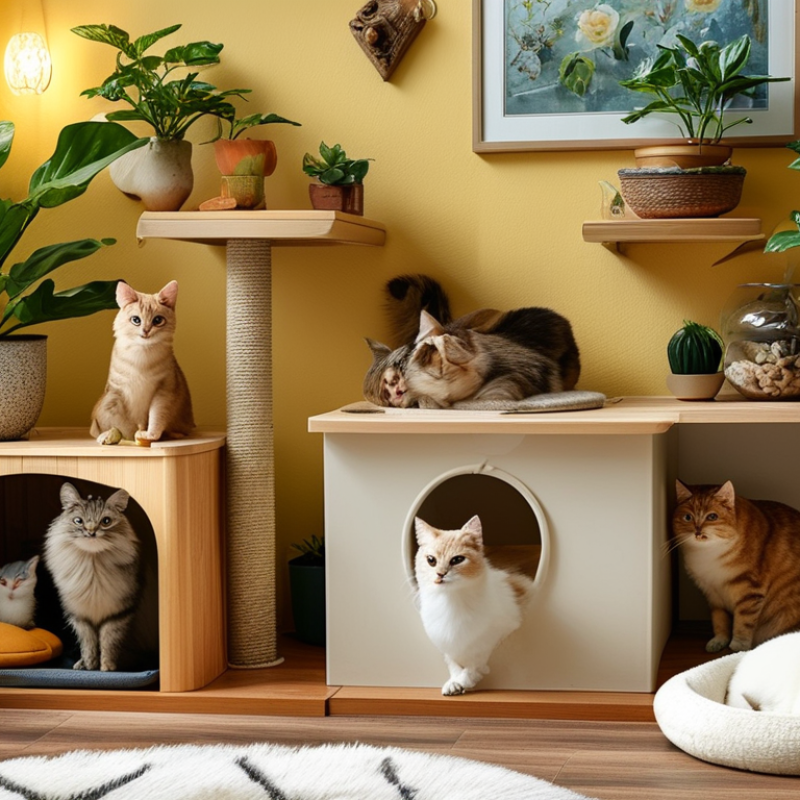
Creating a pet-friendly home involves understanding certain design principles. Research shows that 68% of U.S. households own a pet, emphasizing the need for consideration in home environments. A well-designed space prioritizes safety and comfort for both pets and humans.
Begin with flooring. Soft surfaces like carpet or resilient materials, such as tile, can reduce slips. According to a survey by the American Society for the Prevention of Cruelty to Animals (ASPCA), 58% of pet owners prefer materials that are easy to clean. Avoiding delicate textiles is essential. They can easily be damaged by play or shedding.
Next, consider furniture arrangement. Open spaces allow pets to move freely, decreasing anxiety. However, some designs can unintentionally trap pets. Raised furniture for plants should be avoided. Pets might knock them over, creating messes. The goal is to blend aesthetics with functionality.
Lastly, use appropriate storage. Secure spaces for pet supplies prevent messes. It’s not just about convenience; it’s about anticipating accidents. Thoughtful planning is needed to keep both pets and decor in harmony.
Creating a pet-friendly environment begins with choosing the right materials. Non-toxic paints are essential. Opt for low-VOC (volatile organic compounds) options. These paints release fewer harmful fumes. They are safer for both pets and humans. Consider using natural finishes as well. They can enhance your home’s look and offer a healthier space.
Flooring choices matter too. Hard surfaces like tile and laminate are easy to clean. Carpet can trap allergens, which might affect your pets. If you prefer wood, ensure it’s treated with non-toxic sealants. Some pets love to chew, so avoid harmful chemicals at all costs. Remember that flooring can impact your pet's paws and overall health.
When selecting materials, think about your pet’s habits. Scratches and spills are common. Regular maintenance is necessary. It’s important to stay aware of any signs of distress in your pets. They might react to strong odors or harsh surfaces. This can take time to adjust. Creating a true pet-friendly home involves ongoing reflection and adaptation. Making informed choices will greatly benefit your furry companions.
Creating a pet-friendly home involves thoughtful design and dedicated spaces for your furry friends. Establishing specific zones helps pets feel secure. These spaces can nurture their well-being and improve your household harmony. Think about where your pet likes to relax. A cozy corner with their bed and toys can be a simple solution.
Consider creating a feeding area. This zone can contain food and water bowls, minimizing mess. It’s also a great place for training. You can designate a litter area for cats, ensuring privacy and cleanliness. Avoid high-traffic locations. Pets need peace to feel safe and calm.
Don’t overlook outdoor spaces. A fenced yard or a small patio can be an ideal retreat for dogs. Ensure it’s safe and free of harmful plants. Reflection is key here; evaluate if your pets truly use the spaces you’ve created. Adjust as needed. This type of thoughtful planning will maximize comfort for both you and your pets.
Creating a pet-friendly home is essential for both your comfort and your furry friend’s happiness. Incorporating pet toys and accessories can enhance their engagement and provide a cozy environment. Consider placing toys in various areas to encourage exploration. Colorful toys spark curiosity, while various textures satisfy their need to chew and play. A mix of plush toys and durable ones allows for different play styles.
Tips: Rotate toys every few weeks. This keeps your pet excited and engaged. Use storage baskets for easy access. It helps maintain a tidy space while your pet can choose their favorites.
Comfort is key in a pet-friendly space. Beds and cozy corners should be strategically located in quiet areas. A warm bed can make your pet feel secure. Natural light improves both mood and health, so place pet beds near windows.
Add interactive accessories like scratch posts or climbing shelves. Cats particularly enjoy vertical spaces. Dogs benefit from chew mats that stimulate their minds. These elements provide physical activity, reducing boredom.
Tips: Always supervise pets with new toys. Observe which ones they gravitate towards. Not every pet responds the same way. Adjust their play environment based on their reactions to enhance comfort and fun.
Creating a pet-friendly home involves considering air quality. Many indoor plants can purify the air. However, some plants are toxic to pets. Research before introducing new greenery. Spider plants and Boston ferns are safe choices for homes with cats and dogs. They enhance air quality and add beauty to your space.
Ventilation is equally crucial. Ensure good airflow in your home. Open windows regularly to circulate fresh air. Use exhaust fans in kitchens and bathrooms. Stale air can lead to allergies for both pets and humans. Regular cleaning helps too. Dust and pet dander can accumulate quickly. Daily vacuuming can reduce these irritants, making a healthier environment for everyone.
While focusing on air quality, remember that balance is key. Not every plant will thrive in your home. Some may require too much sunlight or water. Consider your lifestyle and care capabilities before committing. Also, pets have unique needs. What works for one might not work for another. Adjusting your space to meet all these needs can be a challenge, but it's worth the effort.
| Dimension | Details |
|---|---|
| Pet-friendly Plants | Spider Plant, Boston Fern, Areca Palm |
| Plant Benefits | Improves air quality, reduces toxins |
| Ventilation Systems | HVAC systems, Air purifiers |
| Importance of Air Quality | Prevents respiratory issues in pets and humans |
| Humidity Levels | Ideal range: 30% - 50% for comfort |
| Pet Safety Tips | Secure plants away from pets, choose non-toxic varieties |
: Soft surfaces like carpet and resilient materials like tile reduce slips. Easy-to-clean materials are preferred by most pet owners.
Open spaces allow pets to move freely. Avoid raised furniture that can trap pets or lead to messes.
Secure storage for pet supplies prevents messes and helps anticipate accidents. It adds convenience to the home.
Placing toys in different areas encourages exploration. Colorful and textured toys fulfill their need to chew and play.
Rotate toys every few weeks to keep pets engaged. This maintains their interest and excitement.
Comfortable beds and quiet corners help pets feel secure. Natural light near beds can enhance their mood and health.
Scratch posts and climbing shelves are great for cats. Dogs enjoy chew mats that stimulate their minds and reduce boredom.
Creating a pet-friendly environment at home is essential for both the comfort of your pets and the aesthetic appeal of your living space. To understand "How To Create A Pet Friendly Environment," it's important to prioritize pet-friendly design principles. This includes selecting safe, non-toxic materials such as paints and flooring that ensure the well-being of your pets.
Designated spaces for pets not only provide them with zones to relax and play but also contribute to a structured living area. Incorporating pet toys and accessories can enhance their engagement and comfort, making the home more enjoyable for them. Additionally, ensuring good indoor air quality through proper ventilation and the inclusion of pet-safe plants can help create a healthier atmosphere for both pets and humans alike. By following these guidelines, you can establish a harmonious balance between your home and your furry companions.

HURO Pets