Creating a stable routine for your pet can significantly enhance their well-being and your relationship. In this guide, we explore how to build a pet routine schedule that caters to your furry friend’s needs. A well-structured day can keep your pet healthy and happy, but flexibility is key.
Establishing specific times for feeding, walks, and play can offer comfort to your pet. However, unexpected events will happen. You may have a busy day, or your pet may need extra attention. Adjustments are part of the process. Reflect on what works best for your pet's mood and energy levels.
By following this guide, you’ll learn practical strategies to manage your pet’s daily activities. You will not only create a schedule but also strengthen your bond. Remember, the goal is to find balance. A perfect routine doesn’t exist, but with patience, you can develop a plan that suits both you and your pet.
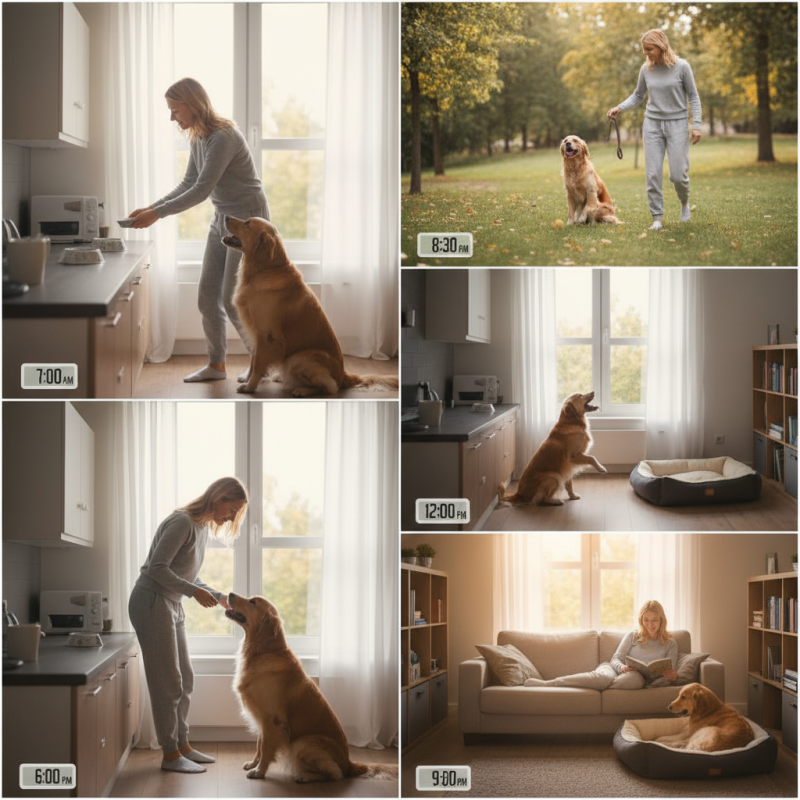
Creating a pet routine requires understanding their unique needs and natural behaviors. Pets thrive on structure. A study from the American Veterinary Medical Association indicates that pets with established routines show less anxiety and better overall health.
Consider your pet's natural habits. Dogs, for instance, may exhibit bursts of energy followed by rest periods. They often benefit from two or three walks daily. Cats, being crepuscular animals, are most active during dawn and dusk. Aligning playtime with these natural cues enhances their well-being. Monitor their activities to better tailor the routine. Are they too energetic at night? Adjust their daytime play to help them settle.
However, it’s important to note that not all pets will adapt to a strict schedule. Some may resist changes in their routine, indicating stress or discomfort. Pay attention to signs of unease. If your pet seems restless or disengaged, it may be time to reassess. Balancing structure with flexibility can foster a more harmonious relationship between you and your pet.
Creating a daily routine for your pet can enhance their well-being and your own ease as a pet owner. Start by identifying key activities that should be part of their day. Feeding is essential. Choose a consistent time for meals. This will help your pet know what to expect. Exercise is equally crucial. Daily walks or play sessions keep them healthy and happy. Balance is what makes this routine work.
Tip: Observe your pet's behavior. Adjust the schedule if your pet seems restless or overly energetic at certain times.
Also, consider incorporating mental stimulation. Puzzle toys or training sessions can be great additions. However, be cautious not to overload them. Too much stimulation can lead to stress. Watch for signs of fatigue.
Tip: Keep track of your pet’s responses. A simple journal can help you refine the routine. Adjust timings based on their activity levels. Always be open to change. Creating a perfect routine takes time and patience.
Creating a balanced schedule for exercise and play for pets is essential for their well-being. According to the American Veterinary Medical Association, pets require at least 30 minutes of exercise daily. This helps maintain a healthy weight and reduces behavioral issues. Regular exercise is vital. Yet, many pet owners struggle to meet this need. All pets have unique preferences. Some may enjoy long walks, while others prefer interactive playtime at home.
Incorporating play into your pet's routine is equally important. A study from the University of Missouri found that dogs involved in play sessions showed less anxiety and aggression. It is beneficial to mix activities. Have dedicated times for fetch, tug-of-war, or agility training. As a pet owner, it can be hard to find time for consistent play. Aim to schedule these activities when both you and your pet have energy.
Creating a flexible routine helps manage unexpected changes. Some days may be busy, and it's okay if a scheduled playtime is missed. Consider a mix of short bursts of activity throughout the day. This approach helps ensure that your pet still gets the engagement they need, despite your busy life. The key is consistency balanced with adaptability. By observing your pet’s reactions and adjusting accordingly, you maintain a healthy and happy companion.
Creating a perfect pet routine requires attention, especially regarding feeding times and nutritional needs. Pets thrive on consistency, and regular feeding schedules help regulate their digestive systems. Choose specific times for meals, ideally twice daily. This aids in their overall health. For a balanced diet, consult a veterinarian about portion sizes and dietary requirements.
Tips: Keep a detailed log of your pet’s eating habits. Note any changes in appetite or behavior. It's crucial to identify issues early. Also, consider the type of food you provide. High-quality, protein-rich options suit most pets. However, individual needs may vary.
Your pet's routine shouldn't feel rigid. Flexibility is essential. Sometimes, they may not eat at the same times due to various reasons. Observe your pet and adjust as needed. Maintaining balance in feeding times and ensuring nutritional adequacy is an ongoing journey. Regularly revisit your feeding plan. This helps address any health changes or dietary needs.
| Pet Type | Feeding Times | Nutritional Needs | Exercise Schedule | Grooming Schedule |
|---|---|---|---|---|
| Dog | 7:30 AM, 5:30 PM | High Protein, Low Carb | 30 mins walk, 2 times a day | Weekly brushing, Monthly bath |
| Cat | 8:00 AM, 6:00 PM | High Protein, Grain-Free | 15 mins playtime, daily | Bi-weekly brushing, as needed |
| Rabbit | 9:00 AM, 5:00 PM | Hay, Fresh Veggies, Limited Pellets | Free ranging, as desired | Monthly nail trimming |
| Bird | 8:30 AM, 4:30 PM | Seeds, Fruits, Vegetables | 2 hours out of cage | Weekly cage cleaning |
As seasons change, so do the needs of our pets. Adjusting their routine is essential for their well-being. For instance, in the winter, walks may need to be shorter. Cold weather can affect their energy levels. Monitor your pet's behavior closely. Are they less active or reluctant to go outside? Consider indoor playtime as an alternative.
Pets also experience various life stages, each requiring tailored care. A puppy demands more frequent bathroom breaks and socialization opportunities. In contrast, older pets might need gentle exercise. Reflect on your pet's energy levels. Are you providing enough stimulation? Incorporating play sessions can greatly benefit both young and senior pets. Keep their routine flexible yet consistent. Notice changes and adapt as needed for a happy, healthy life.
: A routine enhances your pet's well-being and makes pet ownership easier.
Aim for two feeding times each day for better digestion.
Observe their behavior and adjust the schedule accordingly.
Yes, puzzle toys and training sessions are great but don't overload them.
Keep a detailed log to note changes in appetite or behavior.
Absolutely, shorter winter walks and indoor playtime may be beneficial.
Yes, sometimes pets won’t eat at the same times. Adjust as needed.
Reflect on their energy levels and incorporate more playtime if necessary.
Consult a veterinarian about specific dietary needs and portion sizes.
Regularly revisit to ensure it meets their health and dietary changes.
Creating a perfect pet routine schedule is essential for ensuring the health and happiness of your furry friend. To start, it's crucial to understand your pet's needs and natural habits. By recognizing these behaviors, you can identify key activities that should be incorporated into their daily routine, such as playtime, exercise, and social interactions.
Next, when considering how to build a pet routine schedule, strive for a balanced approach that integrates appropriate feeding times while taking nutritional needs into account. Additionally, be mindful of adjusting the routine to accommodate seasonal changes and different life stages, ensuring that your pet remains engaged and well-cared for throughout their life. With these elements in mind, you can create a comprehensive schedule that promotes a fulfilling lifestyle for your pet.

HURO Pets