How to Choose the Best Slow Feeder Cat Bowl for Your Cat?

Time:2026-03-20 Author:Oliver
0%

Choosing the right Slow Feeder Cat Bowl is essential for your feline's health. Studies show that nearly 50% of cats experience obesity. Slow feeder bowls help regulate their eating speed, aiding digestion and preventing overeating. They compel cats to engage in a natural foraging behavior, making mealtime stimulating.

Many cat owners overlook the importance of design in slow feeders. A poorly designed bowl can frustrate your cat. Some bowls can be too deep or too narrow, making it hard for your cat to access the food. This can lead to dissatisfaction and stress at meal times.

Research indicates that feeders with varied textures promote better engagement. Cats crave stimulation. A bowl with obstacles can slow down their eating habits effectively. However, not all slow feeders work for every cat. Individual preferences play a big role. Observing your cat's behavior is vital to find the best fit.
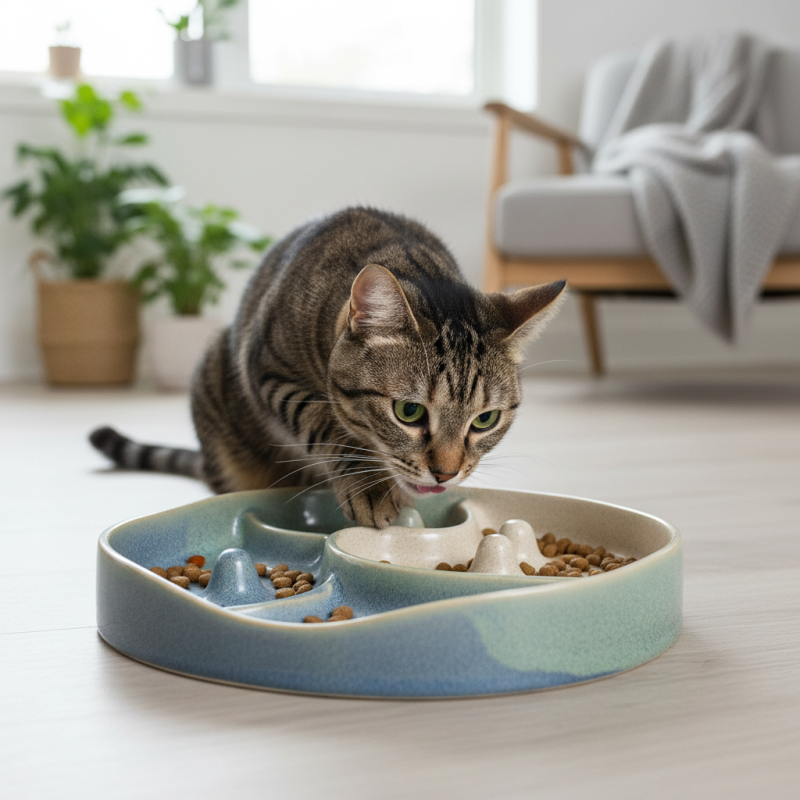
How to Choose the Best Slow Feeder Cat Bowl for Your Cat?

Understanding the Benefits of Slow Feeder Cat Bowls

Slow feeder cat bowls offer several benefits for your feline friends. One key advantage is that they help prevent rapid eating. When cats eat too quickly, it can lead to digestive issues. Slow feeders promote slower consumption, giving your cat time to properly chew and savor their food. This method mirrors their natural eating habits better.

When selecting a slow feeder, consider your cat's eating style. Some cats may need more visual cues to engage. A bowl with varied depths can keep your cat interested and challenged. The material is also essential; choose something easy to clean and durable to withstand daily use.

Tips: Observe how your cat interacts with their food. If they seem disinterested, try switching the bowl's design. You might notice your cat eating less messily and being more engaged. Experiment with textures; some cats prefer rubber bases over plastic. Be patient as your cat adapts. Change can take time.

Key Features to Look for in Slow Feeder Cat Bowls

When selecting a slow feeder cat bowl, consider the design and material. Bowls made from safe, non-toxic materials are crucial. According to industry data, 40% of pet owners report issues with plastic bowls, which can cause allergies. Choose stainless steel or ceramic options, as they are durable and hygienic.

The bowl's shape and size matter too. A bowl that is too deep can make it hard for your cat to reach their food. A shallow design often encourages better eating habits. Research indicates that cats prefer wider bowls, as they prevent whisker fatigue. Look for options that have raised sections to slow down their eating.

Additionally, consider the bowl's weight. Lightweight bowls can be easy to tip over, leading to messes. The right weight will encourage stable use. Some cats may struggle with changes to their feeding routine. A transition period may be needed. Encourage patience and monitor your cat's behavior to ensure they adapt well.

Different Materials and Designs: Which is Best for Your Cat?

When choosing a slow feeder cat bowl, consider the materials used. Plastic bowls are common, but they can harbor bacteria over time. A study showed that 64% of pet owners reported issues with plastic bowls. Stainless steel is more hygienic and durable. It resists scratching and is easier to clean. However, some cats may dislike the noise of metal against their teeth.

Ceramic bowls offer aesthetic appeal and a stable base. They're heavy and less likely to tip over. Decoration is a plus, but the glaze can chip and harbor germs. Ensure the bowl has a food-safe coating. A report found that 42% of cats preferred ceramic bowls over plastic ones.

In addition, design matters. A good slow feeder bowl features obstacles to promote slower eating. Many designs include raised sections or mazes. However, some cats may find these too frustrating, leading to reduced food intake. Observing your cat's behavior is vital. Each cat is unique, and preferences can vary widely. Choose a bowl that suits their eating style while ensuring they remain happy and healthy.

How to Choose the Best Slow Feeder Cat Bowl for Your Cat?

Material Design Type Benefits Considerations
Plastic Maze Design Lightweight, easy to clean May scratch or crack over time
Ceramic Multiple Compartments Stable, aesthetically pleasing Heavier, can break if dropped
Stainless Steel Interactive Puzzle Durable, hygienic Can be more expensive
Silicone Feeding Mat Flexible, non-slip Less stable, can accumulate dirt

Sizing the Slow Feeder Bowl: Ensuring Comfort and Accessibility

When selecting a slow feeder bowl, sizing is crucial for your cat’s comfort. A bowl that's too small might lead to awkward postures while eating. On the other hand, an oversized bowl can make it challenging for your feline friend to access the food easily. Measure the length of your cat’s whiskers. This can help you find a bowl that won’t irritate them while dining.

Consider the depth of the bowl as well. Shallow bowls allow for easier access. Cats may struggle with deep bowls, leading to frustration and abandoned meals. Finding the right balance is essential. It might take some trial and error. Don’t be surprised if your cat initially refuses the new bowl. Cats can be picky about their feeding environment. Patience is key here.

Pay attention to your cat’s eating habits. If they tend to gulp their food, a wider bowl might be beneficial. Still, prevent any mishaps by ensuring that the bowl is stable. A wobbly bowl can spill food everywhere. Cleaning up after a meal should not become a chore. Each meal should be a pleasant experience for both you and your cat.

Tips for Transitioning Your Cat to a Slow Feeder Bowl

Transitioning your cat to a slow feeder bowl can be a unique challenge. Many cats are used to eating quickly, which can cause health issues. According to a study published in the Journal of Veterinary Medicine, over 30% of cats face obesity-related problems. Slow feeders help combat this by promoting mindful eating habits.

Start by introducing the new bowl gradually. Place it alongside their regular bowl for a few meals. This way, your cat can get used to the new shape and mechanism without any pressure. Use their favorite food to entice them. It’s essential to monitor their reactions. Some cats might be hesitant at first. Patience is key.

Another effective tip is to adjust portion sizes. Initially, you might need to reduce the amount of food. This helps to prevent frustration while they learn how to navigate the bowl. Offer treats or wet food at the same time. This will make the slow feeding process more appealing and less daunting. It’s important to stay observant. If your cat shows signs of stress or anxiety, consider giving them a break. With time, many cats adapt well and even seem to enjoy their new dining experience.

FAQS

: What materials are common for slow feeder cat bowls?

: Common materials include plastic, stainless steel, and ceramic. Each has its pros and cons.

Are plastic bowls safe for my cat?

Plastic bowls can harbor bacteria over time. Many pet owners report issues with them.

Why choose stainless steel for a cat bowl?

Stainless steel is hygienic and durable. It resists scratches and is easy to clean.

What are the benefits of ceramic bowls?

Ceramic bowls are aesthetically pleasing and stable. However, the glaze can chip and harbor germs.

How important is bowl sizing for my cat?

Sizing is crucial. A bowl too small or too large can lead to discomfort while eating.

What shape of bowl should I choose?

Look for slow feeders with obstacles. However, some cats may find these frustrating.

How can I tell if my cat likes the new bowl?

Observe their eating behavior. If they refuse it, they may need more time to adjust.

What if my cat is picky about their bowl?

Cats can be very particular. Patience and experimentation are often necessary for finding the right bowl.

How can I ensure my cat's feeding experience is pleasant?

Choose a stable bowl that’s the right size and depth. Avoid wobbly bowls to prevent spills.

Should I measure my cat before buying a bowl?

Yes, measuring the length of your cat’s whiskers helps you find a suitable bowl size for comfort.

Conclusion

Choosing the right Slow Feeder Cat Bowl can significantly enhance your cat's eating habits and overall health. These bowls are designed to slow down your cat's eating pace, which can help prevent issues such as obesity and digestive problems. When selecting a suitable bowl, consider key features such as the design, which should promote comfortable eating, and the material used, as some cats may prefer certain textures. It's also essential to ensure the bowl is appropriately sized for your feline friend to maintain accessibility and comfort.

Transitioning your cat to a Slow Feeder Cat Bowl may require some adjustment time. Start by introducing the new bowl gradually, mixing it with their regular feeding routine to encourage acceptance. By understanding the benefits and carefully selecting the right bowl, you can provide a better feeding experience that supports your cat's health and well-being.

Oliver

Oliver

Oliver is a seasoned marketing professional with a wealth of expertise in driving brand awareness and engagement. With a deep understanding of our company's product offerings, he consistently delivers high-quality content that enriches our professional blog. His insights not only shed light on......