In China, a pet’s grooming needs can change with the season, breed, age, and daily routine. A long-haired dog walking through a damp Hangzhou spring may need more frequent brushing than a short-haired cat living indoors in dry northern winters. Pet Grooming Tips For Healthy Pets should begin with observation, not a fixed schedule. Check the coat, skin, ears, paws, and nails regularly, and note changes such as persistent itching, redness, unusual odor, or new lumps. Small details matter.
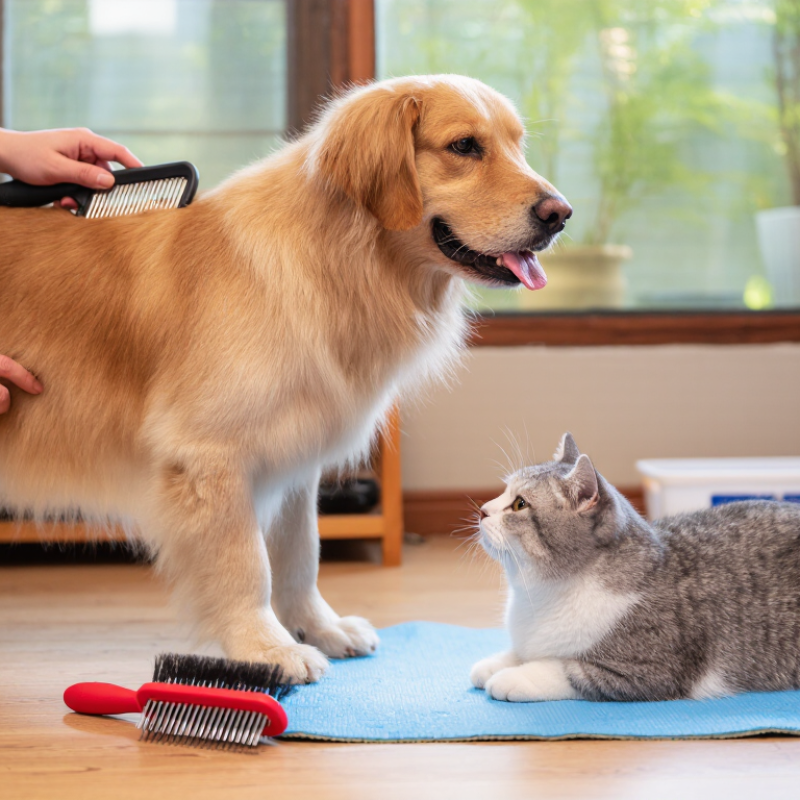
Choose tools that suit your pet’s coat. A soft brush may work well for a short-haired cat, while a wide-toothed comb can help loosen tangles in a long-haired dog. Brush gently, especially around the belly, tail, and behind the ears. Stop if your pet seems painful or frightened. Make grooming brief and calm; a few minutes beside a familiar mat can be easier than a long session. Patience helps.
Bathing is not always necessary. Use a pet-formulated shampoo when bathing is appropriate, and keep water away from the eyes and inside the ears. Dry the coat thoroughly, particularly in cool or humid weather. Nail trimming also takes care: remove only the tip, and ask a veterinarian or experienced groomer to demonstrate if you are unsure. Grooming cannot diagnose illness or replace veterinary care. Even careful owners miss things. That is worth remembering. If a skin or ear problem persists, seek professional advice rather than trying repeated home treatments. With gentle handling and consistent checks, grooming can support comfort and help you notice when something is not quite right.
China’s urban pet market is forecast to reach RMB 300.2 billion in 2024, according to the China Animal Agriculture Association (CAAA). This is a forecast, not a confirmed final total. It also describes the wider pet market, not grooming alone. Still, the figure signals substantial demand for everyday pet care in cities. For groomers and owners, growth should mean more attention to safe handling, clean tools, and advice suited to each animal—not simply more frequent styling. A market estimate cannot tell us what every pet needs.
Good grooming starts with the coat and skin in front of you. A short-haired dog may need regular brushing, while a dense coat can mat close to the skin. Check for redness, small cuts, or painful tangles before bathing. Use lukewarm water and pet-safe products; rinse thoroughly. If a pet becomes distressed, pause. For persistent skin problems, consult a veterinarian rather than trying to groom through them.
Grooming tips: Brush gently in short sessions, especially behind the ears and under the legs. Dry the coat fully, and keep water out of the ears. Trim nails only when you can see where the sensitive inner tissue begins; ask a trained professional if unsure. It is easy to overestimate what a home trim can fix.
| Category | Data or Suggested Routine | Healthy Pet Grooming Guidance | Context |
|---|---|---|---|
| China urban pet market forecast | RMB 300.2 billion for 2024 | Market context for urban pet care; this figure is not a grooming-category sales estimate. | Forecast attributed to the China Animal Agriculture Association (CAAA). |
| Brushing and coat checks | Set a regular routine; frequency depends on coat type and shedding. | Use a suitable brush, work gently, and check for tangles, skin irritation, or parasites. Long or dense coats may need more frequent brushing. | Individual needs vary by species, breed, coat, and health. |
| Bathing | Bathe when needed rather than following one fixed interval. | Use pet-safe products and rinse thoroughly. Bathing needs depend on coat, activity, skin condition, and veterinary advice. | Avoid getting water or shampoo in the eyes and ears. |
| Nail care | Check nails regularly; trim when they become too long. | Trim small amounts at a time and avoid the quick. Ask a veterinarian or groomer for help if you are unsure. | Growth and wear vary among pets. |
| Dental hygiene | Brush teeth regularly; daily brushing is a useful goal when tolerated. | Use a pet toothbrush and toothpaste. Do not use human toothpaste; arrange veterinary dental checks as recommended. | Introduce brushing gradually and reward calm behavior. |
| Ear and eye checks | Include a gentle visual check during routine grooming. | Clean only as advised by a veterinarian. Seek veterinary advice for redness, discharge, odor, persistent tearing, or discomfort. | Do not insert cotton swabs or tools into the ear canal. |
| Safe grooming habits | Keep sessions calm, short, and appropriate to the pet. | Use clean tools, provide breaks, and stop if the pet shows pain or severe distress. Consult a veterinarian for skin or coat problems. | Grooming intervals are general guidance, not a substitute for veterinary care. |
Note: The RMB 300.2 billion figure refers to the CAAA-attributed 2024 forecast for China’s urban pet market as a whole, not grooming alone. Grooming routines should be adjusted to each pet’s needs and veterinary advice.
Use bright light and gently feel through the coat. Look for redness, flaky patches, lumps, sore spots, and mats near the skin.
Part thick fur around the neck, belly, and behind the legs. Go slowly; pulling away may signal discomfort.
Watch for redness, swelling, unusual odor, or dark discharge. Don’t put cotton swabs into the ear canal.
Inspect the tail base and between the toes. Flea dirt may leave a reddish-brown mark on damp white tissue, but that is not a diagnosis.
It depends on the coat and skin, not a fixed calendar. A muddy, long coat may need washing sooner than a short coat.
Use lukewarm water and pet-safe shampoo. Rinse until the water runs clear; leftover shampoo can make skin itch.
Stop if your pet becomes distressed. Ask a veterinarian about sores, persistent scratching, or unusual odor before bathing.
Dry gently, then feel close to the skin, especially through the undercoat. The top can feel dry while the roots remain damp. I miss that sometimes.
Often, no. Ask a veterinarian if a bath seems necessary.
China’s urban pet market is projected to reach RMB 300.2 billion in 2024, reflecting the growing attention people give to their pets’ daily care. Thoughtful grooming is more than keeping a pet looking tidy: it can help owners notice changes in skin, coat, ears, or signs of parasites before they become bigger concerns. Begin each grooming session with a gentle check, and adjust your approach to your pet’s comfort and condition.
Pet Grooming Tips For Healthy Pets also depend on consistent, suitable routines. Long-haired cats generally benefit from daily brushing, while short-haired cats may need it about once a week. Choose bathing frequency according to coat type and skin condition rather than following a fixed schedule. For dogs, regular nail checks can help prevent overgrowth; trimming every three to four weeks is a useful general guide. Keep each session calm, use gentle handling, and seek professional advice when a pet’s skin or grooming needs are unclear.

 HURO Pets