China’s pet-care sector is changing as urban households seek safer, more convenient ways to care for animals. In cities such as Shanghai and Shenzhen, compact apartments and busy routines have encouraged interest in automatic feeders, water fountains, and connected cameras. These devices can help owners check feeding times or observe a pet while away. They do not replace attentive care.
Small details matter. A feeder may jam, or a camera may miss a quiet change in behavior. This overview explores China’s leading pet-care innovations and technology trends, including smart devices, wearable trackers, digital veterinary services, and artificial intelligence tools. It considers how these products work in everyday homes, not just in product demonstrations. Claims about health benefits should be checked against reliable product information and veterinary guidance.
Pet Care Innovations And Technology Trends also raises practical questions about data security, device reliability, and access for different households. Some products offer useful reminders, while others may add complexity without solving a real problem. That distinction deserves attention. The article will compare potential benefits with common limitations, such as battery life, connectivity, and the accuracy of health measurements. Veterinary professionals remain essential when symptoms appear or a diagnosis is needed. Technology can support care, but it cannot interpret every behavior correctly. Progress is real, but uneven. This guide takes a measured look at what is available, what may help, and what still needs careful evaluation.
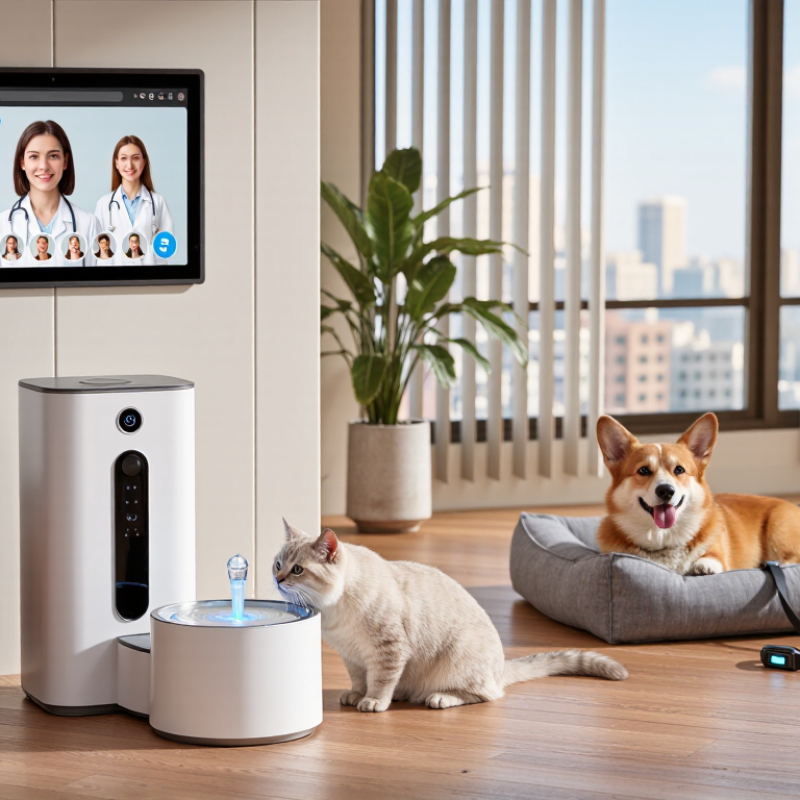
China’s pet care technology landscape is shaped by mobile services and compact devices suited to apartment living. Smart feeders can schedule meals, while water fountains track use and cameras show whether a dog is resting or pacing. In a small flat, these details may help an owner notice a changed routine. App-based records can also keep vaccination dates and clinic notes in one place. The tools are increasingly connected. Yet a sensor reading is not a diagnosis.
Digital consultations can help owners describe symptoms and decide whether an in-person visit is needed. Wearables may record activity or sleep, but loose straps and inconsistent charging can distort the picture. Small details matter. Clinics and device makers still face the practical work of sharing records clearly and protecting personal data. Alerts can also create needless worry when normal behaviour looks unusual to an algorithm. That sounds neat; it is not always useful. Owners should compare device readings with appetite, movement, and advice from a qualified veterinary professional, especially when a pet’s condition changes.
Smart pet monitoring is most useful when it tracks a pet’s normal routine, not just dramatic events. A collar sensor can record activity, rest, and scratching. A camera may reveal pacing or repeated trips to the water bowl. For useful comparisons, keep the device fitted consistently and note changes in food, weather, or household routine. Small changes matter. A gradual drop in movement or a new sleep pattern can help owners decide when to call a veterinarian, but a device cannot diagnose illness.
At home, check readings against what you actually observe. A loose collar can distort activity data, and a camera may miss behavior outside its view. One weakness remains: alerts can create worry when normal quirks look unusual. Review patterns over several days instead of reacting to every notification. Keep charging routines simple, and place sensors where a pet cannot chew or knock them over. Use strong account passwords and limit who can view camera feeds. Share relevant records with a veterinarian, including dates and visible symptoms. Technology helps build a clearer picture, but human attention still matters.
Connected pet monitors can help owners follow changes in health metrics over time. These general resting heart rate ranges are reference values, not diagnostic thresholds; readings can vary with factors such as age, size, activity, and stress. Consult a veterinarian about unusual readings.
Digital veterinary services are changing how pet owners seek timely guidance. A video visit can help a veterinarian assess a dog’s gait, breathing, or skin irritation before travel. Owners can share clear photos, medication lists, and short symptom logs. Small details matter. A cat that stops eating after a food change may need an in-person exam, not another message. Remote care works best when clinics explain its limits. It cannot replace hands-on checks, laboratory tests, or urgent treatment. A weak connection can also hide useful signs.
AI-assisted diagnosis can help veterinarians organize information, flag patterns, and compare symptoms with clinical records. For example, a system might highlight a change in a pet’s breathing rate across several home videos. That clue is useful, but it is not a diagnosis. Not a final answer. The veterinarian must consider the animal’s age, history, examination, and test results. AI tools can miss unusual cases or reflect gaps in their training data. Owners should ask how recommendations are reviewed and what signs require immediate care. Technology can make follow-up easier, yet a calm screen may still leave a worried owner feeling alone.
| Trend | Technology and Data Used | Practical Use in Pet Care | Potential Benefits | Key Considerations | Development Stage |
|---|---|---|---|---|---|
| Online veterinary consultations | Video or text consultations, owner-provided history, photos, and follow-up records. | Initial guidance, post-treatment follow-up, and discussion of non-emergency concerns. | Can improve access to veterinary advice and make follow-up more convenient. | Remote consultations cannot replace physical examination, laboratory testing, or emergency treatment when these are needed. | In use |
| Digital pet health records | Electronic records of visits, vaccinations, prescriptions, test results, and medical history. | Helps owners and veterinary teams review a pet’s care history across appointments. | Supports continuity of care and reduces reliance on paper records. | Records are most useful when information is accurate, up to date, and shared with appropriate consent. | In use |
| AI-assisted medical imaging | Machine-learning software analyzing veterinary X-rays or other images for patterns that may warrant review. | Can help flag possible abnormalities for a veterinarian to examine, such as changes in chest or bone images. | May support image review and help prioritize cases when used as a decision-support tool. | Performance depends on image quality and the data used to develop and validate the system; a veterinarian must interpret findings in context. | Emerging use |
| AI-supported clinical documentation | Language-processing tools that organize consultation notes, symptoms, and follow-up instructions. | Assists with preparing structured visit summaries and administrative records. | May reduce routine documentation time and make notes easier to review. | Generated notes require professional checking for accuracy, completeness, and protection of sensitive information. | Developing |
| Wearable activity and health monitoring | Collars or other wearable sensors tracking measures such as activity, location, or selected physiological signals. | Provides ongoing observations that may help owners notice changes in movement or daily routines. | Can add context between clinic visits and support conversations with a veterinarian. | Consumer-device readings are not necessarily diagnostic; unusual readings should be assessed by a veterinary professional. | Available |
| Remote appointment and care management | Online scheduling, reminders, digital forms, and follow-up notifications. | Organizes routine visits, vaccination appointments, and post-visit instructions. | Can make care planning more convenient for pet owners and clinics. | Digital reminders complement, but do not replace, veterinary advice tailored to an individual animal. | In use |
| Connected diagnostic workflows | Digital capture and transfer of laboratory results, imaging, and clinical records. | Helps veterinary teams review test information alongside examination findings and medical history. | Can support clearer record keeping and coordinated clinical review. | Results need interpretation by qualified professionals; data compatibility and privacy remain important. | Developing |
In China, connected pet care is becoming more useful when everyday devices share information. A smart feeder can record meal times, while a water sensor flags an unusually low level. A phone alert may help an owner notice missed meals before returning home. Small details matter.
The 2024 China Pet Industry White Paper, published by the Pethadoop data platform, estimates that urban dog and cat spending reached RMB 300.2 billion. That figure signals a large care market, though it does not prove that every household wants connected products. Useful platforms should turn routine records into clear, practical guidance: feeding history, activity changes, and location alerts in one place.
A collar’s location feature can be reassuring during a walk, but it depends on battery life and signal coverage. Still, a connected record is not a diagnosis. Owners and veterinarians need context, and sensors can produce noisy readings.
Privacy also deserves attention; storing less personal data is often wiser. Tech helps, but it cannot replace watching a pet closely.
China Top Pet Care Innovations and Technology Trends
China’s pet-care technology is shifting from novelty to daily use. Urban owners often use monitoring tools when work keeps them away. Smart feeders, litter sensors, location tags, and video check-ins can help owners notice routine changes. Adoption is uneven, though. Price, network access, and older users’ comfort with apps still shape who benefits. Costs still matter.
These tools collect intimate patterns: feeding times, movement, audio, and sometimes location. Owners should see what is collected, switch off optional features, and delete records easily. Companies should collect only necessary data, protect it in storage and transfer, and explain retention plainly. A camera pointed at a pet may also capture visitors or neighbors. That detail is easy to overlook.
Regulatory expectations in China continue to develop across personal-information protection, cybersecurity, product safety, and online services. Providers need to review permissions, vendor access, cross-border data handling, and incident response, with qualified local advice. Clear documentation helps, but checklists are not enough. Sensors can misread a quiet animal, and a dashboard cannot replace veterinary judgment. I would like to see more independent testing and simpler privacy controls. Trust takes time.
Smart feeders record meal times, and water sensors can flag a low bowl. Phone alerts may reveal missed meals. Small clues matter.
It can show resting, pacing, or other visible changes. A camera cannot diagnose illness, and unusual-looking behaviour may be normal.
No. A loose strap or low battery can distort activity and sleep records. Not always.
They can help owners describe symptoms and decide whether an in-person visit may be needed. A veterinarian’s advice matters when a pet’s condition changes.
They may store feeding times, movement, audio, and location. A camera may also capture visitors or neighbours. That detail is easy to miss.
Check app permissions, turn off optional features, and delete records when possible. Sharing less data is often wiser.
Feeding histories and activity changes can offer useful context. Still, noisy sensor readings need to be compared with appetite, movement, and professional advice.
Adoption can depend on price, network access, and comfort with apps. Some households may simply prefer checking the food bowl themselves.
They can help during a walk, but depend on battery life and signal coverage. I still trust a close watch more than a perfect-looking map.
Pet Care Innovations And Technology Trends in China are reshaping how people understand and manage everyday animal care. Smart collars, connected cameras, and home sensors can help owners track activity, sleep, location, and changes in behavior, offering useful insights into a pet’s wellbeing. Digital veterinary services also make it easier to arrange remote consultations and access routine guidance, while AI-assisted tools may help organize health information and flag patterns that warrant professional attention. These technologies support veterinary care rather than replace a qualified clinician.
Connected platforms bring nutrition planning, safety alerts, appointment reminders, and daily care records together in one place. Adoption is growing as owners seek convenient, personalized support, though access and confidence can vary. Responsible development will depend on protecting sensitive personal and pet data, explaining how information is collected and used, and maintaining reliable standards for digital health advice. With thoughtful design, technology can make pet care more informed, accessible, and attentive.

HURO Pets