China Top Pet Care Tips for Seasonal Changes

Time:2026-10-16 Author:Henry
0%

China’s changing seasons can reshape a pet’s daily needs. Spring may bring pollen, damp floors, and sudden temperature shifts. Summer can mean intense heat, humidity, and faster water loss. Autumn often introduces dry air and shedding. Winter may bring cold tiles, reduced activity, and indoor dryness.

This guide, China Top Pet Care Tips for Seasonal Changes, focuses on practical, evidence-informed routines for dogs and cats. Pet Care Tips For Seasonal Changes should begin with observation, not assumptions. Watch for heavier breathing, repeated scratching, cloudy eyes, reduced appetite, or unusual hiding. A clean water bowl, shaded resting place, and regular coat checks can make a noticeable difference. After rainy walks, dry paws and inspect between the toes. During colder weeks, keep beds away from drafts and cold balconies. Small adjustments matter.

Local conditions also deserve attention. A pet living in Beijing may face dry winter air, while one in Guangzhou may experience longer periods of heat and humidity. Indoor temperature, breed, age, weight, and existing illness can change the safest routine. A thick-coated dog may struggle in summer, even when the evening feels comfortable. A senior cat may need more warmth and easier access to water. No checklist fits every animal. Some recommendations may need revision after careful observation. That is not failure; it is responsible care. When symptoms persist, consult a qualified veterinarian rather than relying on online advice. Seasonal care works best as a steady partnership between informed owners and professional guidance.
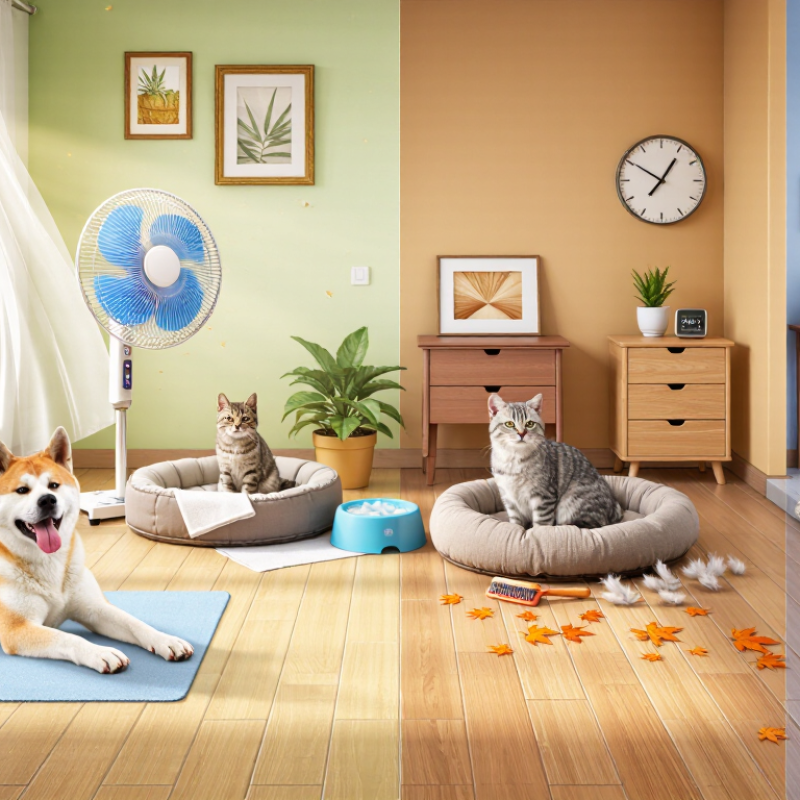
China Top Pet Care Tips for Seasonal Changes

Understanding Seasonal Pet Care Needs in China

China’s seasonal pet care needs vary widely between regions. Southern cities often bring humid summers, heavy rain, and mold growth. Northern areas may face dry winters, indoor heating, and freezing outdoor temperatures. Coastal regions can also experience sudden weather shifts. These changes affect hydration, skin health, appetite, and exercise routines.

Tips: Refresh drinking water several times daily during hot weather. Walk dogs during cooler morning or evening hours. Dry paws and fur after rainy outings. In winter, check paw pads for cracks and keep short-haired pets warm indoors. Brush coats regularly, especially during spring shedding. Never assume every pet needs the same routine.

Observe small changes carefully. A cat hiding more often may feel stressed by heat, noise, or unfamiliar humidity. A dog licking its paws could have irritation, allergies, or trapped moisture. Good lighting helps owners inspect ears, skin folds, and paw pads. Keep vaccination and parasite prevention schedules current, following advice from a licensed veterinarian in China. Pets with breathing, kidney, or heart conditions may need earlier professional attention during extreme weather. I have found that owners sometimes change food too quickly when appetite drops. That can worsen stomach upset. A gradual adjustment is usually safer, but individual medical advice matters. Temperature readings alone are not enough; behavior often gives the earlier warning.

Adjusting Nutrition and Hydration Throughout the Year

Seasonal weather changes can quietly shift a pet’s appetite, activity, and water needs. In my feeding routine, winter calories were easy to overestimate. Warm bedding hid the reduced exercise. According to the 2023–2024 APPA National Pet Owners Survey, 66% of U.S. households own a pet. That scale makes individualized feeding important, not optional. Age, body condition, coat, illness, and indoor temperature all matter.

During colder months, active outdoor dogs may need more energy, but couch-resting pets usually do not. Measure portions with a gram scale, then check body weight and waist shape every two to four weeks. The 2022 Association for Pet Obesity Prevention survey estimated that 59% of cats and 53% of dogs were overweight or obese. I still sometimes trust appetite too much. That is a mistake. Adjust food gradually, and ask a veterinarian before changing diets for puppies, seniors, pregnant animals, or pets with medical conditions.

Hydration needs attention during every season, not only summer. Offer multiple clean water bowls away from litter areas and noisy appliances. Refresh them daily. In hot weather, add shaded rest, shorter exercise periods, and extra observation after walks. Wet food may increase fluid intake, but it cannot replace accessible drinking water. Watch for dry gums, unusual tiredness, repeated vomiting, or reduced urination. These signs need professional assessment. The WSAVA Global Nutrition Committee recommends regular nutritional evaluation, yet many owners review feeding only when illness appears. That delay deserves reflection.

Maintaining Comfortable Indoor and Outdoor Environments

China Top Pet Care Tips for Seasonal Changes

Maintaining Comfortable Indoor and Outdoor Environments

Seasonal weather across China can change quickly, from humid summers to dry northern winters. Pets notice these shifts through their paws, breathing, appetite, and sleeping habits. Keep indoor temperatures steady, but avoid placing beds beside heaters, air conditioners, or drafty windows. A washable mat, fresh water, and quiet resting corner provide simple comfort. During damp weather, dry wet fur and paws carefully to reduce skin irritation. I have sometimes underestimated indoor humidity; pets can look comfortable while drinking less than usual.

Tips: Check room temperature daily, especially for puppies, older pets, and animals with medical conditions. Use a clean humidity meter when the air feels unusually dry. Ventilate briefly, but keep pets away from heavy traffic fumes, smoke, and sudden cold air. Veterinary advice is important when coughing, repeated sneezing, weakness, or appetite changes continue.

Outdoor routines also need seasonal adjustment. Walk early in hot weather and inspect pavement with the back of your hand. If it feels too hot for you, it may harm paw pads. In winter, choose shorter walks during strong winds and dry paws afterward. Rainy paths can hide sharp debris and standing water. Bring a towel.

Not every pet needs the same schedule. Observe their movement and breathing, then adjust gradually rather than forcing a fixed routine. This approach is practical, though I still find that weather forecasts cannot replace watching the animal directly.

Protecting Pets From Seasonal Diseases and Parasites

China’s seasonal shifts can expose pets to changing disease and parasite risks. In southern China, warm, humid weather supports fleas, ticks, and mosquitoes for much of the year. In northern regions, spring and summer may bring sharper increases. The CDC lists at least 16 tick-borne diseases, including ehrlichiosis and Lyme disease. Heartworm risk also rises where mosquitoes remain active. A pet can carry parasites without obvious signs. Watch for scratching, pale gums, coughing, diarrhea, or unusual tiredness. Seek veterinary advice quickly when these signs appear.

Tips: Check fur after walks, especially around the ears, neck, toes, and tail base. Remove attached ticks with fine-tipped tweezers. Do not crush them with bare fingers. Keep bedding dry and wash it regularly. Ask a local veterinarian about year-round parasite prevention, vaccination timing, and heartworm testing. Indoor pets need protection too.

Seasonal prevention should match local weather and the animal’s lifestyle. The Companion Animal Parasite Council recommends regular parasite surveillance because risks vary by location and season. A balcony cat, a farm dog, and a city puppy do not share the same exposure. Record treatment dates, stool changes, and outdoor contact. I might overlook a single muddy walk, but repeated exposure matters more. No checklist is perfect. A veterinary review remains important when seasons change.

China Top Pet Care Tips for Seasonal Changes - Protecting Pets From Seasonal Diseases and Parasites

Season Main Environmental Risks Common Diseases or Parasites Warning Signs Recommended Prevention and Care Veterinary Attention
Spring
March–May
Rising temperatures, increasing humidity, pollen, muddy ground, and more outdoor activity. Fleas, ticks, intestinal parasites, allergic skin disease, kennel cough, and respiratory irritation. Scratching, hair loss, red skin, sneezing, coughing, diarrhea, vomiting, tiredness, or a tick attached to the skin. Start or maintain veterinarian-recommended flea, tick, and worm prevention. Check the coat, ears, paws, and between the toes after outdoor activity. Wash bedding regularly, keep living areas dry, and introduce outdoor exercise gradually. Seek care for persistent coughing, repeated vomiting or diarrhea, pale gums, weakness, or suspected tick-borne illness.
Summer
June–August
Heat, high humidity, ultraviolet exposure, stagnant water, hot pavement, and increased insect activity. Heatstroke, dehydration, flea and tick infestations, mosquito-borne heartworm disease, hot spots, and gastroenteritis. Excessive panting, drooling, weakness, confusion, vomiting, dark or abnormal gums, limping after walking, or sudden skin inflammation. Provide constant access to fresh water and shade. Walk during cooler hours, test pavement with the back of the hand, never leave a pet in a parked vehicle, and use only veterinary-approved parasite prevention. Keep pets away from unsafe standing water and spoiled food. Heatstroke is an emergency. Move the pet to a cool area and contact a veterinarian immediately, especially if collapse, confusion, or breathing difficulty occurs.
Autumn
September–November
Fluctuating temperatures, falling leaves, damp conditions, harvest chemicals, and seasonal dietary changes. Fleas and ticks may remain active, intestinal worms, fungal skin infections, respiratory disease, and accidental poisoning from toxic plants or chemicals. Persistent itching, circular hair loss, coughing, reduced appetite, abdominal discomfort, unusual thirst, or changes in stool. Continue parasite protection until local activity has ended, based on veterinary advice. Inspect pets after walks, prevent access to pesticides and fertilizers, remove mushrooms or unknown plants, and change food gradually over several days. Contact a veterinarian after possible chemical or plant ingestion, breathing problems, bloody stool, severe lethargy, or rapidly spreading skin lesions.
Winter
December–February
Cold temperatures, dry indoor air, reduced exercise, icy surfaces, heating systems, and crowded indoor spaces. Hypothermia, frostbite, dry or cracked paw pads, respiratory infections, weight gain, and rodenticide poisoning. Shivering, cold ears or paws, pale or bluish skin, reluctance to walk, coughing, nasal discharge, cracked paw pads, or unexplained bleeding. Provide a dry, draft-free resting area and limit exposure during very cold weather. Dry the coat and paws after going outside, use pet-safe paw protection when needed, maintain indoor exercise, and keep antifreeze and rodenticides inaccessible. Seek urgent care for suspected antifreeze or rodenticide ingestion, severe shivering, collapse, breathing difficulty, or pale gums. Do not induce vomiting unless directed by a veterinarian.
Every Season Changes in activity, diet, travel, household routines, and exposure to other animals. Dental disease, obesity, chronic skin problems, vaccine-preventable infections, and untreated internal parasites. Unexplained weight change, persistent bad breath, changes in appetite or thirst, repeated ear problems, behavior changes, or abnormal urination. Maintain routine wellness examinations, vaccinations according to local veterinary guidance, parasite screening, dental care, balanced nutrition, identification, and regular weight checks. Keep a record of preventive treatments and symptoms. Arrange a veterinary examination for any symptom that persists, worsens, or affects eating, drinking, breathing, mobility, or normal behavior.

Parasite activity varies by climate, altitude, local wildlife, and housing conditions in different parts of China. Prevention schedules should be selected with a licensed veterinarian rather than based on season alone.

Creating a Safe Seasonal Grooming and Exercise Routine

China Top Pet Care Tips for Seasonal Changes

Creating a Safe Seasonal Grooming and Exercise Routine

Seasonal care should follow your pet’s body, not the calendar alone. In many Chinese cities, summer heat and humidity can make midday walks unsafe. Winter wind can also dry paw pads and irritate skin. The Association for Pet Obesity Prevention reported that 53% of dogs and 59% of cats were overweight or obese in its 2022 survey. Short, regular exercise therefore matters, but intensity must match age, breed, weight, and health.

Tips: Walk early in summer and near midday during colder winter periods. Touch the pavement with your hand first. If it feels hot to you, choose grass or an indoor route. After outdoor activity, inspect paws for cracks, grit, or redness. Brush more often during shedding seasons, but avoid shaving a double-coated dog without veterinary advice. Bathing too frequently may remove protective oils.

A practical routine might include ten-minute walks, gentle play, and gradual increases. Older pets may need several quiet sessions instead of one long outing. Fresh water should be available after every walk. The American Animal Hospital Association notes that regular veterinary checks help identify weight, joint, and skin problems early. That guidance is useful, yet no report replaces observation at home. Panting, stiffness, hiding, or refusing food means the plan needs changing. I would not defend a fixed schedule when weather changes quickly.

FAQS

Should my pet eat more during winter?

Only active outdoor pets may need extra calories. Indoor pets often exercise less under warm bedding. Measure portions with a gram scale. Check weight and waist shape every two to four weeks. Appetite can mislead me.

How can I support hydration throughout the year?

Place several clean water bowls away from litter areas and noisy appliances. Refresh them daily. Wet food can add fluids, but it cannot replace drinking water. Watch for dry gums, vomiting, tiredness, or reduced urination.

What should I do during hot weather?

Provide shade and shorten outdoor exercise. Choose cooler walking hours. Check your pet after every walk. Heavy panting or unusual weakness needs prompt veterinary advice. Heat changes quickly.

Do indoor pets need parasite protection?

Yes, because fleas, ticks, and mosquitoes can enter homes. Check fur around the ears, neck, toes, and tail base. Keep bedding dry and wash it regularly. Ask a local veterinarian about prevention and testing.

How should I respond to an attached tick?

Use fine-tipped tweezers and remove it carefully. Do not crush it with bare fingers. Record the date and location. Contact a veterinarian if illness appears later.

How can I adjust parasite prevention seasonally?

Follow local weather, outdoor exposure, and your pet’s lifestyle. A balcony cat and a farm dog face different risks. Record treatment dates and outdoor contact. I may overlook one muddy walk, but repeated exposure matters more.

What grooming routine is safer during seasonal changes?

Brush more often during shedding periods. Avoid shaving a double-coated dog without professional advice. Bathe only when needed. Frequent bathing may remove protective skin oils. Paw checks help.

How should I exercise my pet in changing weather?

Use short, regular sessions matched to age, weight, breed, and health. Touch pavement before summer walks. Choose grass if it feels hot. Older pets may prefer several quiet sessions. Fixed schedules can fail when weather changes suddenly.

Conclusion

Caring for pets through China’s changing seasons requires attention to their health, comfort, and daily habits. These Pet Care Tips For Seasonal Changes explain how to adjust food and water intake as temperatures and activity levels shift, while keeping indoor spaces clean, well ventilated, and comfortably warm or cool. Outdoor areas should also provide shade, shelter, and protection from extreme weather.

Seasonal care should include regular checks for common illnesses, fleas, ticks, and other parasites, along with timely veterinary guidance when necessary. Grooming routines can be adapted to manage shedding, moisture, and coat condition without irritating the skin. Safe, moderate exercise is important throughout the year, but outdoor activities should be scheduled around heat, cold, rain, or poor air quality. By observing changes in appetite, energy, skin, and behavior, pet owners can respond early and help their animals remain healthy and comfortable in every season.

Henry

Henry

Henry is a dedicated marketing professional with a profound expertise in the company's offerings. With years of experience in the industry, he possesses an impressive understanding of the market dynamics and consumer behaviors that drive success. Henry is committed to sharing his insights through......