Top Ways to Reduce Pet Stress During Travel

Time:2026-09-11 Author:Sienna
0%

Travel can turn a familiar pet into a quiet observer, a restless passenger, or a trembling companion. New smells, engine vibrations, crowded terminals, and unfamiliar routines can increase anxiety. The American Pet Products Association’s 2023–2024 National Pet Owners Survey reports that 66% of U.S. households own a pet, making safe, practical travel guidance increasingly relevant. However, ownership does not guarantee travel readiness. Each animal responds differently.

Learning How To Reduce Pet Stress During Travel starts before leaving home. The American Veterinary Medical Association recommends discussing travel plans with a veterinarian, especially for pets with illness, anxiety, or previous motion sickness. A short practice ride can reveal useful details: panting near the carrier, refusing treats, or repeatedly changing position. These small signals matter. They may show discomfort before severe distress appears. Begin with brief journeys, familiar bedding, and calm rewards. Do not force sudden exposure.

Air travel requires additional planning. The International Air Transport Association’s Live Animals Regulations emphasize suitable containers, ventilation, temperature control, and animal welfare procedures. These standards support safety, but they cannot remove every emotional challenge. A carrier may meet technical requirements while still feeling frightening to a cat or dog. That is an important limitation.

Reliable preparation includes identification tags, updated microchip records, water access, and a written medication plan approved by a veterinarian. Sedatives should never be used casually. Their effects can vary during transport, and professional guidance is essential. Honestly, some journeys cannot become stress-free. The realistic goal is lower stress, clearer observation, and a safer return to familiar surroundings. A quiet room, a used blanket, and patience may help more than complicated equipment.
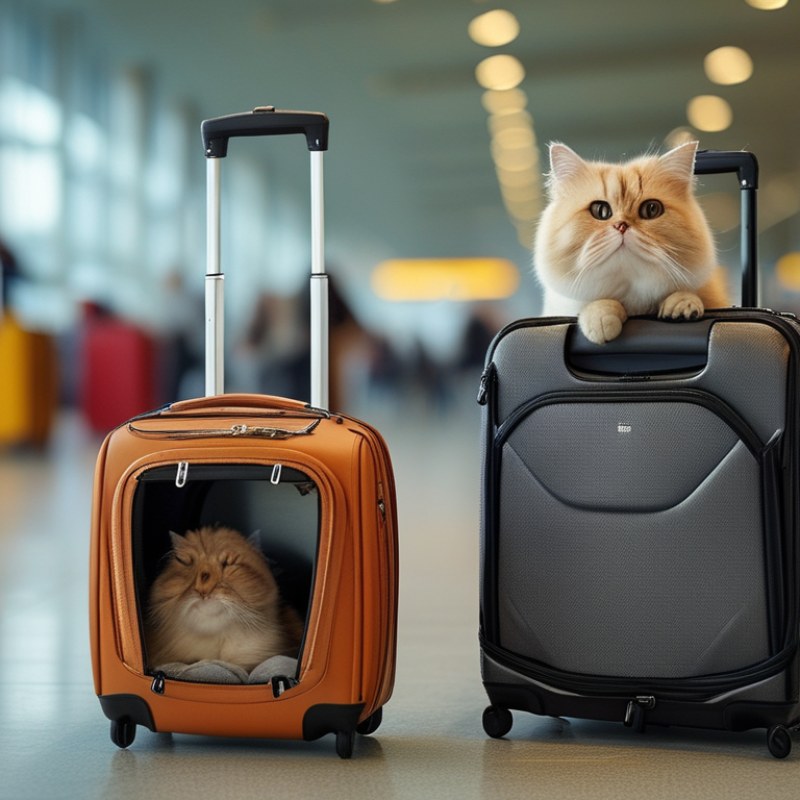
Top Ways to Reduce Pet Stress During Travel

Understanding the Causes and Signs of Travel Stress in Pets

Top Ways to Reduce Pet Stress During Travel

Understanding the Causes and Signs of Travel Stress in Pets

Travel stress often starts before the vehicle moves. Unfamiliar carriers, strong smells, loud engines, and changing routines can make pets feel unsafe. Some animals also associate the carrier with unpleasant clinic visits. Motion sickness may add nausea, drooling, or repeated swallowing. A crowded station, warm car, or sudden temperature change can intensify these reactions.

Watch for small changes. A stressed dog may pant heavily, tremble, whine, hide, or refuse treats. A cat might crouch low, flatten its ears, vocalize, or soil the carrier. Some pets become unusually still. That does not always mean they are calm. Fear can look quiet. Look for several signs together, and compare them with your pet’s normal behavior.

A common mistake is treating every problem as fear. Excessive drooling may involve motion sickness, pain, or another medical issue. A veterinarian can help separate travel anxiety from health concerns, especially when vomiting, breathing difficulty, weakness, or prolonged refusal to eat occurs. Keep a simple travel record, including food, timing, sounds, and visible symptoms. Patterns may appear after two or three trips. I would not assume one successful journey proves the problem is solved; pets can react differently as conditions change. Ensure the carrier is stable, familiar, and well ventilated, while avoiding sudden handling or loud corrections.

Preparing Your Pet Before the Journey

Preparing your pet before travel can reduce fear, accidents, and unexpected health problems. Start several weeks early, if possible. Let your pet inspect the carrier at home with the door open. Place a familiar blanket and a few treats inside. Keep these sessions short. Never force the animal into the carrier.

Practice brief trips before the real journey. Drive around the block, then slowly extend the distance. Watch for trembling, drooling, vomiting, or constant vocalizing. These signs may require advice from a veterinarian. A professional can assess medical risks and discuss safe travel support. Do not give calming medicine without veterinary guidance. Some animals react badly to medication, especially in unfamiliar conditions.

Keep feeding, sleeping, and toilet routines steady during preparation. Avoid a large meal just before departure, but do not make sudden dietary changes. Pack recent medical records, identification details, water, waste bags, cleaning supplies, and any prescribed medication. Check that the carrier is secure and correctly sized; your pet should be able to stand, turn, and lie down comfortably.

I once assumed a quiet pet was relaxed. The animal was actually overwhelmed. That mistake taught me to watch body language instead of relying on silence. A tucked tail, flattened ears, rapid breathing, or hiding can reveal stress early. Preparation is not perfect every time. Adjust the plan when your pet’s behavior changes.

Top Ways to Reduce Pet Stress During Travel: Preparing Your Pet Before the Journey

Start preparation early by helping your pet become comfortable with the carrier, practicing short trips, arranging a veterinary check, updating identification details, and packing familiar bedding. These time frames are practical preparation targets; airline, border, and vaccination requirements may differ by destination.

Choosing Safe and Comfortable Travel Equipment

Safe travel equipment can lower anxiety when it fits your pet, your vehicle, and the journey length. Choose a carrier that allows standing, turning, and lying naturally. It should have strong ventilation, secure latches, and a washable base. A familiar blanket can soften strange smells and sounds.

For dogs, use a properly fitted harness attached to a vehicle-approved restraint. Never rely on a collar alone during sudden braking. Cats usually travel more securely in a closed carrier, placed on a stable surface and secured with the seat belt. Keep carriers away from direct sunlight, heating vents, and loose luggage. Check the equipment before departure. Small cracks matter.

Practice makes equipment less frightening. Leave the carrier open at home, then add treats or a quiet toy. Try short journeys before attempting a long one. Watch for heavy panting, repeated vocalizing, drooling, or unusual stillness. These signs deserve attention, not punishment. A veterinarian can advise on motion sickness, medical conditions, and whether calming treatment is appropriate.

Many owners focus on comfort but forget temperature changes after parking. I have seen this overlooked. Never leave a pet unattended in a parked vehicle, even briefly. Travel rules differ by location, so check current transport requirements before leaving. No setup is perfect; reassess it after every trip.

Managing Your Pet’s Needs During Transit

Travel stress often begins before the vehicle moves. The American Pet Products Association’s 2023–2024 survey estimates that 66% of U.S. households own a pet. That scale makes careful transit planning essential. A carrier should feel familiar, not like a sudden prison. Leave it open at home for several days. Add a washable blanket carrying your pet’s normal scent. Keep it boring.

During transit, manage practical needs before comfort becomes a problem. Offer a small meal several hours before departure, unless a veterinarian advises otherwise. Give water in modest amounts and check your pet regularly. The American Veterinary Medical Association recommends secure restraint, updated identification, and veterinary guidance before air travel. For longer journeys, pack absorbent pads, waste bags, prescribed medication, and a simple feeding plan. Never give calming medication without professional advice. Sedation can affect breathing and balance, especially during air transport.

Temperature and noise deserve constant attention. IATA’s Live Animals Regulations emphasize suitable ventilation, space, handling, and temperature control for transported animals. A carrier can feel cool in one area and hot near a window. Check the animal, not only the cabin display. Panting, drooling, trembling, repeated vocalizing, or unusual stillness can signal distress. I sometimes focus too much on departure timing and overlook the quiet pause after arrival. That pause matters. Move slowly, offer familiar water, and allow your pet to hide or rest before demanding normal behavior.

Helping Your Pet Adjust After Arrival

After a journey, your pet may seem unusually quiet, restless, or clingy. These reactions often come from unfamiliar smells, sounds, and routines. Give your pet a calm room with familiar bedding, water, and a small meal. Keep doors and windows secure, especially during the first few hours. Let your pet explore at their own pace.

Try to restore normal habits quickly. Serve meals near the usual times, offer regular toilet breaks, and keep walks short at first. Sit nearby without demanding attention. A soft voice can help, but constant handling may increase anxiety. Watch for trembling, hiding, repeated pacing, vomiting, or refusal to drink. Veterinary behavior guidance recommends contacting a veterinarian when these signs persist or worsen. I once assumed a tired pet needed more play, but extra stimulation made the adjustment slower.

Tips

Keep the arrival space quiet.
Use familiar blankets or toys.
Introduce new rooms gradually.
Reward calm behavior gently.
Avoid sudden guests.
Check water intake and bathroom habits.

A simple routine works best. It may feel too ordinary, but predictability helps the nervous system settle. Some pets adjust within hours; others need several days. Do not compare their progress with another animal’s experience.

Top Ways to Reduce Pet Stress During Travel - Helping Your Pet Adjust After Arrival

Travel or Arrival Stage Stress-Reduction Method Practical Timing or Frequency How to Apply It Signs of Improvement Important Safety Point
Before the trip Introduce the carrier or travel crate gradually Several days to a few weeks before departure Leave the carrier open in a familiar room, add comfortable bedding, and reward voluntary exploration. Gradually increase the time your pet spends inside before closing the door. Your pet enters willingly, rests inside, and shows less resistance when the door is closed. Never use the carrier as punishment. It should be large enough for the pet to stand, turn around, and lie down comfortably.
Before the trip Practice short journeys Start with 5–10 minutes and increase gradually Take brief trips to quiet locations, then return home. Extend the duration only when your pet remains reasonably calm. Reduced panting, vocalizing, trembling, drooling, or attempts to escape during practice rides. Stop the training session if your pet shows severe distress, vomiting, collapse, or breathing difficulty.
Before departure Keep the routine predictable Maintain normal meals, exercise, and sleep times Use familiar bedding, toys, and feeding cues. Avoid introducing several new experiences immediately before travel. Normal appetite, sleep, toileting, and interaction before departure. Pack familiar items without filling the carrier with loose objects that could shift or obstruct ventilation.
Travel day Plan feeding and toileting carefully Offer a light meal several hours before departure Follow your veterinarian’s advice, especially for pets with medical conditions or a history of motion sickness. Allow a toilet break before leaving. Less nausea, vomiting, or urgent toileting during the journey. Do not significantly restrict water. Fresh water should be available as appropriate for the journey and weather conditions.
Car travel Secure the pet correctly For every journey, including short drives Use a secured carrier or a properly fitted vehicle harness. Position the carrier where it has stable support and good airflow. Less sliding, pacing, and frantic movement during acceleration or turns. Never allow a pet to ride loose, sit on the driver’s lap, or travel with its head outside the window.
Long journeys Schedule regular quiet breaks Plan stops approximately every 2–4 hours for dogs Choose secure, low-traffic areas for water, toileting, and gentle movement. Cats generally remain safer in their secured carrier rather than being taken outside. More relaxed posture, normal breathing, and improved comfort after each break. Keep identification and leash equipment secure. Never leave a pet unattended in a parked vehicle, even briefly.
During travel Reduce sensory stimulation Use throughout the journey Keep noise moderate, maintain a comfortable temperature, avoid strong odors, and cover only part of a cat’s carrier if it remains well ventilated. Less startle response, vocalization, hiding, and restless movement. Do not completely cover a carrier or block ventilation. Heat buildup can become dangerous quickly.
Medication planning Discuss motion sickness or anxiety with a veterinarian Arrange advice before the travel date A veterinarian can assess health risks and determine whether treatment is appropriate. Any prescribed medication should be tested only according to professional instructions. Improved comfort without excessive sedation, weakness, or unusual behavior. Never give human medication or another animal’s medication without veterinary direction.
First hours after arrival Create a quiet decompression area Use for the first several hours or longer if needed Prepare water, bedding, food, a litter box for cats, and familiar items in a low-traffic room. Allow the pet to leave the carrier at its own pace. Exploration becomes calmer, body posture relaxes, and the pet begins drinking or eating normally. Keep doors, windows, balconies, and escape routes secured, especially in an unfamiliar location.
First 24 hours Restore familiar routines Resume normal schedule as soon as practical Offer usual meals, regular toilet opportunities, gentle exercise, and predictable rest periods. Avoid crowded visits and intense play immediately after arrival. Normal toileting, appetite, sleep, grooming, and social behavior gradually return. Do not force interaction or punish hiding, accidents, vocalizing, or temporary clinginess.
First few days Expand access gradually Increase space and activity step by step Let the pet become comfortable in one area before introducing additional rooms, people, animals, or outdoor locations. The pet investigates new areas voluntarily and can settle afterward. For cats, maintain indoor confinement until they are settled; outdoor access should follow local safety and identification practices.
Monitoring after arrival Watch for persistent stress or illness Check behavior, food, water, urine, and stool daily Record major changes and contact a veterinarian if symptoms are severe, worsening, or do not improve. Gradual return to normal eating, drinking, elimination, sleep, and interaction. Seek prompt veterinary care for breathing problems, collapse, repeated vomiting, severe diarrhea, inability to urinate, or refusal to eat or drink.

Individual pets respond differently to travel. Age, health, temperament, previous travel experience, and journey length should be considered when adapting this guidance.

FAQS

: How can I prepare my pet for travel?

: Start several weeks early. Leave the carrier open at home. Add a familiar blanket and a few treats. Keep practice sessions brief. Never force your pet inside.

How can I make the carrier feel safer?

Place it in a quiet room. Let your pet enter voluntarily. Add a washable blanket carrying familiar household smells. Keep the door open during early practice. Small steps help.

Should my pet practice traveling before the main journey?

Yes. Begin with a drive around the block. Extend the distance gradually. Watch for trembling, drooling, vomiting, or constant vocalizing. These signs may require veterinary advice.

What travel equipment does my pet need?

Choose a carrier allowing standing, turning, and lying down. Check its ventilation and latches. Use a washable base. Inspect for small cracks before departure.

How should I secure my pet inside a vehicle?

Secure a carrier on a stable surface with a seat belt. Dogs need a properly fitted harness and approved restraint. Never rely on a collar alone. Sudden braking changes everything.

What should my pet eat and drink during travel?

Offer a small meal several hours before departure. Avoid sudden diet changes. Provide modest amounts of water. Pack food, water, waste bags, and cleaning supplies. Keep routines steady.

Can I give calming medication before travel?

Only follow veterinary guidance. Some animals react badly to medication. Sedation may affect breathing and balance. This matters especially during air travel. Do not guess.

How can I recognize travel stress?

Look for flattened ears, tucked tails, rapid breathing, hiding, or unusual stillness. A quiet pet is not always relaxed. I once misunderstood silence as comfort. Body language taught me otherwise.

How can I protect my pet from heat and cold?

Keep carriers away from direct sunlight and heating vents. Check your pet’s condition, not only the cabin display. Never leave an animal alone in a parked vehicle. Temperature changes are easy to overlook.

What should I do after arriving?

Move slowly. Offer familiar water. Let your pet rest or hide briefly. Do not demand normal behavior immediately. I sometimes focus too much on departure timing. Arrival needs planning too.

Conclusion

Travel can be stressful for pets because unfamiliar environments, loud sounds, confinement, motion, and disrupted routines may cause fear or discomfort. Learning How To Reduce Pet Stress During Travel begins with recognizing signs such as panting, trembling, whining, hiding, restlessness, or changes in appetite. Before the journey, gradually introduce your pet to the carrier, vehicle, and travel routine. A veterinary checkup may also help identify health concerns and provide appropriate guidance.

Choose secure, well-ventilated travel equipment that gives your pet enough room to sit, stand, and turn comfortably. During transit, maintain a calm environment, provide familiar bedding and safe water, and take suitable breaks when possible. Avoid forcing interaction if your pet seems overwhelmed. After arrival, create a quiet space where your pet can rest, then slowly reintroduce normal meals, exercise, and daily routines. Patience, preparation, and consistent reassurance can make travel safer and more comfortable for both pets and their caregivers.

Sienna

Sienna

Sienna is a skilled marketing professional with a deep expertise in our company’s core products and services. With a passion for innovation and detail, she plays a pivotal role in crafting insightful blog posts that not only highlight the unique features of our offerings but also provide valuable......