When selecting furniture for a pet-friendly home, it's essential to consider durability and maintenance. Expert interior designer and animal advocate, Sarah Thompson, states, "Choosing the right material can make all the difference for pet owners." Understanding how to choose pet friendly furniture is key to creating a harmonious environment.
Pet-friendly furniture should be practical yet stylish. Look for materials that resist stains and scratches. Fabrics like microfiber or leather can withstand the wear and tear of pet life. It’s also wise to choose darker colors to hide fur and dirt. However, these choices must fit your aesthetic as well.
You might find that some items compromise style for function. Balancing these aspects is critical. Think about your space and lifestyle. How often do you entertain? Do you have active pets or calm ones? Reflect on your needs carefully. Ultimately, investing thought into how to choose pet friendly furniture can enhance both your living space and your relationship with your furry friends.
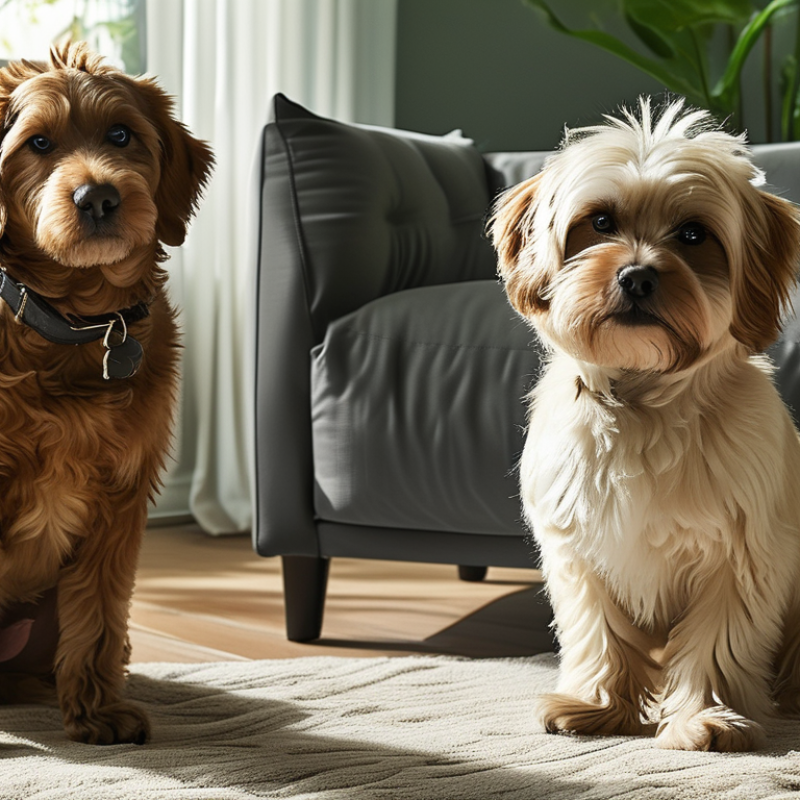
When selecting pet-friendly furniture, understanding key factors is crucial. Material durability is one of the top considerations. Fabrics like microfiber and denim resist stains and scratches. According to the American Pet Products Association, around 70% of U.S. households own pets, which significantly influences furniture choices.
Choose furniture with tight weaves and treated fabrics. They repel hair and are easier to clean. Additionally, consider the color of the material. Darker shades hide stains better than light ones, but remember that this may overshadow your pet’s fur. Remember, washable covers can save time and efforts on cleaning.
Think about the furniture structure. Avoid sharp edges or fragile materials. Instead, opt for sturdy, well-built pieces that can withstand playful pets. Some pet owners find that furniture with removable, washable components makes maintenance easier. Commitment to practicality is essential. The goal is to create a home that accommodates both your lifestyle and your furry friends, striking a balance between aesthetics and functionality.
Choosing pet-friendly furniture involves careful consideration of durability and material. Pets can be tough on furniture, so selecting sturdy materials is essential. Leather and synthetic fabrics are often better choices as they resist scratches and are easier to clean. While they may feel less cozy than fabric, they can withstand pet wear and tear. Look for tightly woven textiles that are difficult for claws to penetrate.
Consider color and texture too. Dark colors can hide stains, while textures like canvas or denim can resist fur clinging. Choosing water-resistant materials adds an extra layer of protection. This is important for pet accidents and spills. It’s not just about aesthetics; it’s about practicality.
While choosing furniture, reflect on how a particular material suits your lifestyle and your pet's behavior. Sometimes, even the best materials can fall short. A beautiful piece can become damaged despite quality craftsmanship. Observing your pet’s habits helps in making informed choices. Prioritizing function alongside style can lead to a more harmonious living space.
When choosing pet-friendly furniture, safety features can make a significant difference. Look for furniture that has rounded edges to avoid injuries. Sharp corners may harm curious pets exploring your home. Opt for materials that are durable and can withstand daily wear and tear. Some fabrics can easily be scratched or stained, so choose wisely.
Consider furniture with non-toxic finishes. Many pets are curious and may nibble on surfaces. Ensure the furniture materials you select are safe for your pets. If you have a hyperactive dog or a playful cat, low furniture can be a risk as they may jump or climb onto it.
A good tip is to select furniture with removable covers. This feature makes cleaning easier, especially for pet owners. Accidents happen, but easy-to-clean options can ease frustration. Additionally, investing in slip-proof furniture can provide stability. This ensures both you and your pets feel safe and secure. Some imperfections in style may arise from prioritizing function over form, but the peace of mind is worth it.
| Furniture Type | Material | Durability Rating | Stain Resistance | Ease of Cleaning | Safety Features |
|---|---|---|---|---|---|
| Sofas | Microfiber | High | Yes | Easy | No sharp edges |
| Dining Chairs | Wood | Medium | Yes | Moderate | Rounded corners |
| Beds | Faux Leather | High | Yes | Easy | Pet-safe height |
| Ottomans | Fabric | Medium | Yes | Moderate | No exposed seams |
| Coffee Tables | Glass | High | No | Difficult | Tempered glass |
Maintaining pet-friendly furniture requires a specific approach. Many pet owners face challenges, such as fur and stains. Regular vacuuming is crucial. It helps to remove pet hair before it embeds itself in fabric. Consider using a vacuum with a pet hair attachment for better results.
For spills and stains, immediate action is key. Blot, don’t rub, the spill with a clean cloth. Use a mixture of mild soap and water for cleaning. Test any cleaning solution in a hidden area first. Some fabrics react negatively to harsh chemicals.
Regularly wash removable covers and cushions. This helps keep furniture looking fresh. Additionally, incorporating throws can protect furniture from wear. It’s a simple way to maintain aesthetics. Reflect on your cleaning routine to find improvements. Adjusting your approach can lead to more effective results over time. Highlighting imperfections in your methods is not a sign of failure but an opportunity for growth.
Choosing pet-friendly furniture involves more than just functionality. It is about collaborating style with practicality. Many people struggle to find items that suit their decor while being durable enough to withstand pet life. This can lead to a compromise between aesthetics and resilience.
Fabric selection is crucial. Opt for materials that are easy to clean, yet visually appealing. Microfiber and leather are solid choices, as they resist stains well. Many people overlook color too. Darker shades can hide pet hair and stains better than light ones. Patterns can also play a role; they may mask wear and tear over time.
Don't forget about the furniture shape. Items with rounded edges can help prevent accidents in a busy household. While it may seem like a minor detail, it has a significant impact. A well-chosen piece can elevate your home’s look, even with pets around. Reflect on your lifestyle. If you have a rambunctious dog or a curious cat, consider how they interact with your space. Balancing stylish designs with function often requires ongoing adjustments. Finding that perfect combination can be tricky but rewarding.
This chart illustrates the importance rating of various features when choosing pet-friendly furniture. Durability and ease of cleaning are the top priorities, while affordability holds the lowest significance. This data highlights the balance between style and functionality in selecting appropriate furniture for pet owners.
: Durable materials like leather and synthetic fabrics resist scratches and are easier to clean.
Dark colors hide stains well, while specific textures can reduce fur cling.
Tightly woven textiles resist claw penetration and enhance durability against pet damage.
Choose furniture with rounded edges to prevent injury and non-toxic finishes for safety.
Opt for furniture with removable covers to simplify cleaning after pet accidents.
Low furniture may pose risks; ensure stability and safety for climbing pets.
Sometimes, stylish furniture can get damaged. Balance beauty with practicality.
Observe your pet’s habits to select materials suited for their behavior.
Imperfections may occur when prioritizing function, but it can ensure safety and ease.
Choosing water-resistant materials helps manage spills and accidents effectively.
When considering how to choose pet friendly furniture, it's essential to understand several key factors that cater to the needs of both pets and their owners. Durability and material selection play a critical role; opting for robust fabrics and resistant materials ensures that furniture withstands the wear and tear caused by pets. Additionally, incorporating safety features into the design can help protect pets from potential hazards, making a home safer for furry friends.
Maintenance is another vital aspect when choosing pet friendly furniture. Regular cleaning tips can keep furniture looking fresh and prevent odors. Finally, achieving aesthetic appeal while maintaining functionality is crucial; selecting stylish designs that complement your home decor while being practical for pet ownership strikes a perfect balance. By considering these elements, pet owners can enjoy a harmonious living environment that is both inviting and accommodating to their beloved companions.

HURO Pets