Keeping pets safe in 2026 requires more than affection and common sense. It requires consistent, measurable routines.
This guide introduces practical Pet Care Safety Standards And Guidelines for homes, shelters, grooming facilities, boarding centers, and veterinary teams. Dr. Marty Becker, a widely recognized veterinarian and preventive-care advocate, often emphasizes that “preventive care is the best medicine.” That principle remains useful, although safety plans must also adapt to each animal’s age, breed, health history, and environment.
A secure care space begins with small details. Non-slip mats reduce falls near water bowls and bathing areas. Clearly labeled food containers help prevent dangerous diet mistakes. Fresh water should remain accessible, while medicines and cleaning products need locked storage. Leashes, carriers, gates, and identification records should be checked before use, not after an incident. Emergency kits should include bandages, gloves, a digital thermometer, contact numbers, and current veterinary instructions.
Good standards also cover sanitation, safe handling, transport, staff training, and incident reporting. Temperature control matters during summer walks and winter travel. Puppies, senior pets, anxious animals, and pets with breathing problems may need stricter limits. Some recommendations remain imperfect. A checklist cannot replace observation, judgment, or veterinary advice. That weakness deserves attention.
This 2026 overview examines prevention, documentation, supervision, emergency readiness, and humane handling. It aims to make safety visible in everyday moments, from a clipped harness at the door to a clean sleeping surface at night. Small safeguards matter. Consistency protects lives.
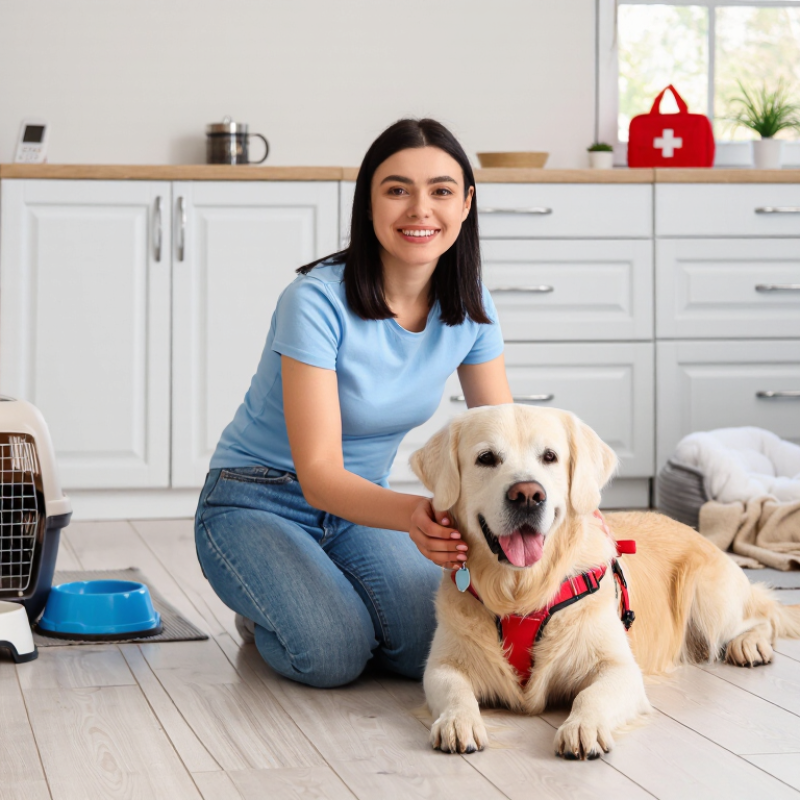
In 2026, pet care safety standards define the minimum conditions needed to protect an animal’s health, welfare, and dignity. Their scope includes feeding, clean water, housing, hygiene, exercise, transport, supervision, and emergency response. These standards apply to homes, boarding facilities, grooming settings, shelters, and professional care services. They should reflect veterinary guidance and applicable local requirements.
In daily practice, safety begins with details. Fresh water should be checked regularly, not assumed to be available. Floors need secure footing, especially near washing areas. Cages, bedding, and feeding tools require cleaning records. Staff should recognize warning signs such as unusual breathing, repeated vomiting, weakness, or sudden aggression. A written emergency plan should list veterinary contacts, medication instructions, allergy information, and owner consent.
That gap matters.
I have found that a checklist improves consistency, but it cannot replace observation. One quiet animal may be frightened, not calm. One missed cleaning entry may reveal a wider training problem. Reliable care therefore combines documented procedures with trained judgment. Records should include feeding times, behavior changes, injuries, and temperature concerns during transport. Staff also need regular first-aid training and clear limits on their responsibilities. No standard is perfect. Weather, age, breed traits, disability, and individual temperament can change the risk. A responsible 2026 framework must be reviewed when evidence, professional guidance, or the animal’s condition changes.
A safe pet routine begins with core health checks, not emergency treatment. Every animal needs a suitable vaccination plan, regular veterinary examinations, and monitored weight. Puppies, kittens, older pets, and animals with chronic conditions may need different schedules. Qualified veterinary advice should guide these decisions. Record appetite, water intake, stool changes, breathing, and unusual tiredness. Small clues matter.
Hygiene protects pets and people in the home. Wash your hands after handling waste, outdoor items, or a sick animal. Clean food and water bowls daily with hot, soapy water. Remove waste promptly, then disinfect suitable surfaces safely. Wash bedding regularly and dry it completely. Grooming can reveal ticks, skin irritation, lumps, or painful areas. Fresh water should always be available. Avoid harsh chemicals around animals. Clean is not always safe.
Preventive care also includes parasite checks, dental care, exercise, and secure home spaces. Inspect paws after walks, especially during hot or icy weather. Store medicines, cleaning products, and small chewable objects out of reach. Use properly fitted collars, harnesses, carriers, and identification details. Never assume a quiet pet is healthy. I still miss subtle changes sometimes. A rushed evening can hide a slower appetite or stiff movement. That imperfection deserves attention, not excuses. A simple daily checklist can improve consistency, while veterinary guidance remains essential when symptoms persist.
2026 Top Pet Care Safety Standards And Guidelines
Safe housing begins with ventilation, stable flooring, and secure escape prevention. Remove loose wires, toxic plants, and small objects from daily reach. The American Veterinary Medical Association recommends routine veterinary care, identification, and parasite prevention for household animals. Handling should stay calm and predictable. Support a cat’s chest and hindquarters. Use a properly fitted harness for dogs. Never lift an unfamiliar animal suddenly.
Feeding requires measured portions, fresh water, and gradual diet changes. The Association for Pet Obesity Prevention reported that 59% of dogs and 61% of cats were overweight or obese in its 2022 survey. That figure deserves attention. Short walks, sniffing games, and supervised play can support healthy movement. Exercise needs vary with age, breed, weather, and medical condition. I sometimes underestimate boredom because a pet looks quiet. Quiet is not always content.
Tips: Check fencing and carriers weekly. Store food in sealed containers. Wash bowls daily. Keep exercise sessions short during heat. Watch for limping, heavy panting, hiding, or sudden appetite changes. Record unusual behavior before contacting a veterinarian. The Centers for Disease Control and Prevention advises handwashing after handling animals, waste, food, or equipment. Children also need direct guidance. Gentle practice works better than repeated warnings.
| Safety Area | Pet Type | Recommended Standard or Measurement | Daily Practice | Safety Trigger or Warning |
|---|---|---|---|---|
| Housing Space | Dogs and cats | Provide enough room for the pet to stand, turn around, lie down fully, stretch, and move away from food, water, and waste areas. | Use a secure resting area with ventilation, shade, comfortable bedding, and a separate toilet or waste zone where appropriate. | Panting, repeated pacing, hiding, inability to turn, or persistent attempts to escape indicate unsuitable housing. |
| Temperature and Ventilation | All pets | Keep the environment stable, dry, well ventilated, and free from direct heat, cold drafts, and rapid temperature changes. | Check the resting area at least twice daily; provide shade and fresh air in warm weather and dry insulation in cold weather. | Heavy panting, weakness, shivering, confusion, pale gums, or collapse requires immediate cooling or warming and veterinary advice. |
| Escape Prevention | Dogs, cats, rabbits, and small pets | Use intact doors, latches, window screens, fencing, and species-appropriate carriers; openings must prevent the head or body from passing through. | Inspect barriers, carrier doors, and enclosure fasteners weekly and after relocation or repairs. | Loose fasteners, damaged mesh, exposed gaps, or chewing damage should be corrected immediately. |
| Fresh Water | All pets | Fresh, clean drinking water must be continuously available unless a veterinarian gives a specific medical instruction. | Refresh at least daily, wash bowls regularly, and provide additional water during heat, exercise, illness, or lactation. | Markedly increased or decreased drinking, repeated vomiting, or no urination is a veterinary warning sign. |
| Balanced Feeding | Dogs and cats | Use a complete and balanced diet appropriate to the species, life stage, health status, and activity level. | Measure portions, follow the feeding guide as a starting point, and adjust with veterinary guidance based on body condition and weight trend. | Sudden diet changes, persistent diarrhea, repeated vomiting, or refusal to eat should be addressed promptly. |
| Body Condition | Dogs and cats | A commonly used nine-point body-condition scale considers approximately 4–5/9 an ideal range for many adult pets. | Check ribs, waist, abdominal tuck, and weight monthly; obtain a professional assessment at routine examinations. | Ribs that cannot be felt, visible bones, rapid weight change, or reduced mobility requires dietary and medical review. |
| Food Hygiene | All pets | Store food according to its label, keep it dry and sealed, and prevent contamination from household chemicals or raw animal products. | Wash bowls regularly, remove uneaten wet food promptly, and wash hands after handling pet food or waste. | Discard food with mold, unusual odor, damaged packaging, or a broken seal. |
| Safe Handling | All pets | Approach calmly, support the body, avoid squeezing the chest or abdomen, and never lift a pet by the neck, tail, ears, or limbs. | Use two hands for small animals and support the hindquarters of cats and dogs when lifting. | Growling, freezing, flattened ears, biting attempts, rapid breathing, or struggling means handling should stop and be reassessed. |
| Transport | Dogs and cats | Use a secure, well-ventilated carrier or restraint that prevents escape and allows normal breathing and posture. | Secure the carrier in the vehicle, keep the pet away from airbags, and never leave an animal unattended in a parked vehicle. | Heat buildup can become life-threatening quickly, even when windows are partly open. |
| Daily Exercise | Adult dogs | Many healthy adult dogs benefit from at least 30–60 minutes of activity daily, adjusted for breed traits, age, fitness, and medical status. | Combine walks, supervised play, sniffing, training, and rest; increase duration gradually. | Limping, reluctance to move, excessive fatigue, coughing, or heat stress requires stopping exercise. |
| Daily Exercise | Cats | Provide several short sessions of interactive play each day, with opportunities to chase, climb, scratch, hide, and rest. | Use safe toys, rotate enrichment items, and keep cords, strings, and small swallowable objects secured when unsupervised. | Sudden inactivity, hiding, aggression, or reduced jumping may indicate pain or illness. |
| Exercise for Young and Senior Pets | Puppies, kittens, and senior pets | Favor age-appropriate, low-impact activity and avoid forced, repetitive, or high-impact exercise while bones, joints, or stamina are developing or declining. | Use short sessions with frequent rest, soft surfaces, and gradual progression. | Persistent soreness, stiffness, limping, or delayed recovery requires veterinary assessment. |
| Toilet and Litter Hygiene | Dogs and cats | Remove waste frequently and keep toilet areas clean, accessible, and separate from food and water. | For cats, provide at least one litter box per cat plus one additional box, placed in quiet and accessible locations. | Sudden house-soiling, straining, blood, or inability to urinate is an urgent medical concern. |
| Toxicity Prevention | All pets | Keep medicines, cleaning products, pesticides, unsafe plants, alcohol, nicotine products, and hazardous foods inaccessible. | Store hazards in closed cabinets and keep the original packaging for any suspected exposure. | Do not induce vomiting unless directed by a veterinarian or animal poison professional. |
| Health Monitoring | All pets | Arrange preventive examinations at an interval recommended for the pet’s age, species, lifestyle, and health risks. | Record appetite, water intake, weight, stool, urination, mobility, behavior, and medication changes. | Breathing difficulty, collapse, uncontrolled bleeding, severe pain, poisoning, or inability to urinate requires emergency care. |
In 2026, effective pet safety begins with preparation, not panic. Keep a written emergency plan near the door, with your veterinarian’s number, local emergency clinic, and a trusted caregiver. Store medical records, medication details, and recent photographs in a waterproof folder. Check the kit every month. Batteries expire quietly.
A practical first-aid kit should include sterile gauze, blunt scissors, adhesive tape, saline, disposable gloves, a digital thermometer, and a soft towel. Never give human pain medicine or induce vomiting unless a veterinarian specifically instructs you. For bleeding, apply gentle, steady pressure with gauze. If breathing becomes difficult, keep the airway clear and seek urgent veterinary help. Move an injured animal carefully, because pain can cause sudden biting.
Risk prevention also depends on observation. Secure loose wires, household chemicals, medications, small toys, and unstable furniture. Use window screens and inspect fences for gaps. During heat, provide shade, cool water, and shorter outdoor sessions; hot pavement can injure paw pads quickly. Learn your pet’s normal breathing, appetite, and behavior, so changes are easier to notice. A plan may look complete yet fail during a real emergency. Practice calmly. One honest weakness is assuming you will remember everything under stress. Rehearsing the steps can reduce that mistake.
2026 Top Pet Care Safety Standards And Guidelines?
Legal Duties, Ethical Responsibilities, and Ongoing Safety Assessment
Pet care providers need more than clean floors and written policies. They need repeatable safety decisions. The American Pet Products Association reported 66% of U.S. households owned a pet in its 2023–2024 National Pet Owners Survey. That scale increases the duty to prevent avoidable injuries, escapes, disease transmission, and distress.
Legal duties vary by location, but operators should verify licensing, staff training, vaccination records, emergency procedures, and incident reporting requirements. Ethical responsibility goes further. Animals need suitable space, fresh water, quiet recovery areas, safe handling, and behavior-sensitive care. A fearful dog may need distance, not restraint. A cat hiding under a towel may be communicating pain or panic. Small details matter.
Ongoing assessment should use daily checklists, documented welfare observations, equipment inspections, and post-incident reviews. The 2024 PDSA Animal Wellbeing Report highlights continuing gaps in owners’ welfare knowledge and financial resilience, making clear communication essential. Staff should explain warning signs, medication instructions, heat risks, and when veterinary advice is needed. The APPA report also recorded U.S. pet industry spending of approximately 147 billion dollars in 2023, showing how widely professional care is used. High spending does not prove high safety. That gap is uncomfortable. A monthly audit may still miss a rushed handover or a loose gate. Teams should invite criticism, test emergency plans, and revise procedures when evidence or experience exposes weakness.
After a potential rabies exposure, the CDC schedule for a previously unvaccinated person generally includes vaccine administrations on days 0, 3, 7, and 14. Immunocompromised individuals may require an additional dose on day 28. Rabies immune globulin is administered once on day 0. Seek urgent medical and veterinary guidance after a bite, scratch, or suspected exposure, and follow local animal-control reporting requirements.
Responsible pet care includes preventing avoidable exposure, documenting incidents, obtaining professional assessment promptly, and reviewing household or facility safety procedures after every serious event.
Data source: U.S. Centers for Disease Control and Prevention, rabies post-exposure prophylaxis guidance. The schedule may vary according to vaccination history, immune status, and clinical assessment.
They cover food, water, housing, hygiene, exercise, transport, supervision, and emergency response. These practices protect health, welfare, and dignity.
Provide good ventilation, stable flooring, and secure barriers. Remove loose wires, toxic plants, and small objects. Check escape points weekly.
Use measured portions and clean water. Wash food and water bowls daily. Store food in sealed containers. Change diets gradually.
Exercise depends on age, breed traits, weather, and medical needs. Try short walks, sniffing games, or supervised play. Heat requires shorter sessions.
Watch for unusual breathing, repeated vomiting, weakness, limping, hiding, or appetite changes. Sudden aggression also needs attention. Quiet behavior may hide fear.
Keep movements calm and predictable. Support a cat’s chest and hindquarters. Use a properly fitted harness for dogs. Never lift an unfamiliar animal suddenly.
Record feeding times, cleaning tasks, behavior changes, injuries, and transport temperatures. Include allergies, medicines, veterinary contacts, and owner consent.
No. A checklist improves consistency, but it cannot replace observation. One missed cleaning entry may signal a training problem. Judgment still matters.
List veterinary contacts, medication instructions, allergies, owner consent, and clear staff responsibilities. Include basic first-aid training. Review the plan when conditions change.
Teach gentle handling through direct practice. Supervise children around food, waste, and unfamiliar animals. Repeated warnings alone may not work.
Pet Care Safety Standards And Guidelines in 2026 provide a practical framework for protecting animals’ health, well-being, and quality of life. They cover routine veterinary care, vaccinations, parasite prevention, dental hygiene, grooming, sanitation, balanced feeding, safe housing, proper handling, and suitable daily exercise. These standards should be adapted to each pet’s species, age, size, temperament, and medical needs, while encouraging calm, humane, and responsible caregiving.
Effective safety planning also includes identifying household hazards, maintaining secure living spaces, supervising interactions, and storing food, medicine, and cleaning supplies safely. Caregivers should prepare for emergencies with basic first-aid knowledge, current medical information, emergency contacts, and a safe transportation plan. Ethical responsibilities include preventing neglect, recognizing signs of pain or stress, seeking professional help when needed, and regularly reviewing care practices to address changing risks and support lifelong animal welfare.

HURO Pets