2026 Best Pet Care Industry Trends for Global Buyers

Time:2026-10-21 Author:Amelia
0%

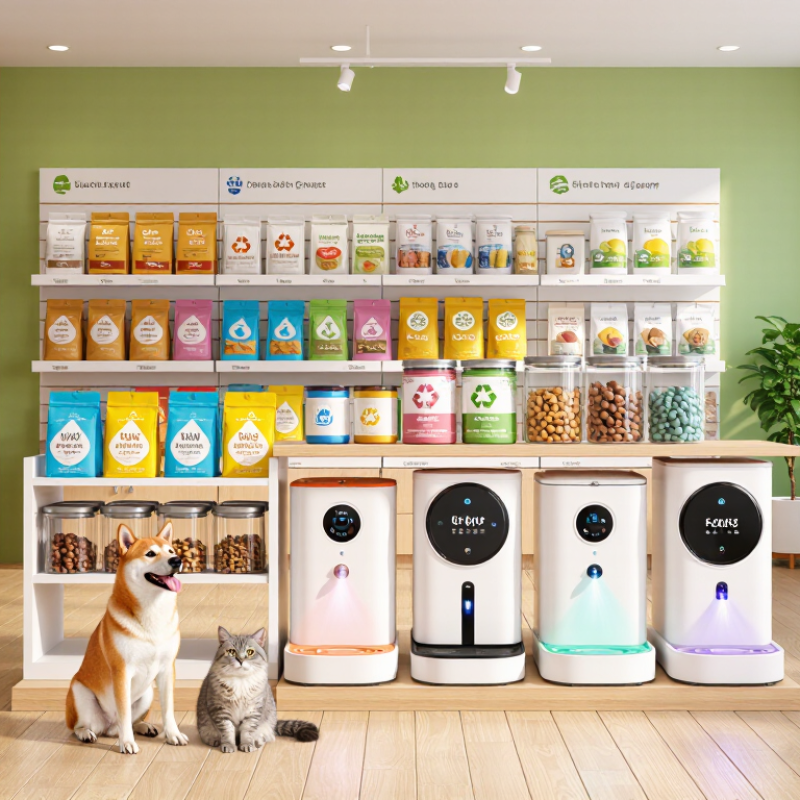
Pet care is changing quickly as households treat animals as family members and informed consumers. For global buyers, this shift creates opportunities across nutrition, grooming, wellness, technology, and sustainable supplies. Retail shelves now show functional treats, smart feeders, recyclable litter, and breed-specific products. Yet caution matters. The strongest opportunities combine visible customer value with dependable quality, transparent sourcing, and practical pricing.

Future Trends In Pet Care Industry analysis should look beyond attractive packaging and short-term online popularity. Buyers will increasingly assess ingredient traceability, product safety, animal welfare, and measurable health benefits. Connected feeders may support portion control, while wearable devices can help owners monitor activity patterns. Subscription services may improve convenience, but they can also create unnecessary waste without flexible delivery options. Evidence should lead. Not every trend deserves adoption. Product claims require careful review, especially when products involve nutrition, supplements, or veterinary-related decisions.

This introduction is informed by supplier experience, buyer interviews, market observations, and guidance from qualified animal health professionals. It considers how purchasing priorities differ across Europe, North America, Asia, the Middle East, and emerging markets. Local regulations, climate, logistics, and pet ownership habits can change product performance. A supplement popular in one region may need different labeling or professional review elsewhere. Some forecasts remain uncertain, and several assumptions deserve challenge. That uncertainty is useful. It encourages buyers to test samples, verify certifications, review customer feedback, and measure repeat purchases before scaling. Growth matters. Trust matters more.
2026 Best Pet Care Industry Trends for Global Buyers

Global Pet Care Market Overview in 2026

In 2026, the global pet care market is becoming more structured, specialized, and data-driven. Pet ownership remains strong in many regions, while spending is shifting toward preventive health, nutrition, grooming, and daily comfort. Buyers are comparing product safety, ingredient transparency, packaging quality, and supply reliability before placing larger orders. Price still matters, but unclear quality creates greater risk.

Regional demand is not identical. North American and European buyers often seek functional nutrition, senior-pet products, and sustainable materials. Asian markets show growing interest in indoor pets, compact grooming tools, and technology-supported care. Emerging markets may prioritize affordable multipacks and durable basic supplies. Local climate, housing size, veterinary access, and cultural habits can change product performance. A useful product in one country may need adjustment elsewhere.

From supplier evaluations, consistent documentation is becoming as important as attractive design. Buyers commonly review material specifications, testing records, production capacity, and after-sales procedures. Claims about health benefits should remain evidence-based and easy to verify. Digital purchasing will continue expanding, yet samples and factory communication still reveal practical weaknesses. Small details matter.

Forecasts are not perfect. Consumer budgets, transport costs, and changing regulations can quickly alter demand. Some sustainable materials also involve higher prices or limited recycling systems. Global buyers should test durability, collect user feedback, and avoid treating every trend as permanent. Practical trust may outperform fashionable packaging.

Key Consumer and Product Trends Shaping Pet Care

2026 Best Pet Care Industry Trends for Global Buyers

Pet owners are buying care products that feel practical, safe, and emotionally reassuring. Across international retail feedback, transparent ingredients and clear usage instructions strongly influence purchasing decisions. Consumers want functional nutrition, gentle grooming, dental support, and products suited to different life stages. They also expect packaging to reduce waste without making storage difficult.

Personalization is becoming more accessible. Buyers increasingly seek formulas for sensitive skin, indoor lifestyles, senior pets, and weight management. Digital tools may help owners track feeding, activity, and routine care, but convenience cannot replace professional advice. Product developers should provide evidence-based information, realistic claims, and testing records where appropriate. Not every natural claim deserves trust. Some products still sound impressive but offer little practical value. That is a concern worth examining.

Tips: Compare ingredient panels across suppliers. Request safety documents and quality-control details. Check whether instructions fit local regulations and languages. Test packaging with real users before placing large orders. Observe leakage, readability, and opening comfort. Small failures matter.

Global buyers should also watch purchasing habits beyond product features. Many consumers prefer refillable formats, compact shipping sizes, and durable accessories. However, sustainability claims must be measurable and specific. A recyclable package is not automatically a better package everywhere. Regional disposal systems differ, and buyers should verify local conditions. Feedback from veterinarians, retailers, and pet owners can reveal weaknesses that laboratory reviews miss.

Technology and Smart Solutions for Modern Pet Owners

2026 Best Pet Care Industry Trends for Global Buyers

Technology is reshaping daily pet care for modern owners. Smart feeders can measure portions, record feeding times, and reduce routine mistakes. Activity collars help owners notice changes in sleep, movement, or appetite. These signals may support earlier veterinary conversations, but they cannot replace professional diagnosis.

Home monitoring is becoming more practical. Cameras can detect unusual barking, scratching, or restlessness while owners are away. Automated water systems can report low levels before a bowl becomes empty. Connected litter and hygiene devices also provide useful maintenance reminders. However, smart is not always better. Devices need stable connections, clear instructions, and safe materials. Some pets may dislike lights, sounds, or wearable equipment.

Tips: Choose products with strong data protection, replaceable parts, and simple controls. Check battery life and cleaning requirements before buying. Ask whether the device works across different regions and household conditions. Keep a manual feeding and care routine as backup. I still question whether every alert deserves attention; too many notifications can create anxiety instead of confidence. Global buyers should value reliable evidence, transparent testing, and veterinary guidance over impressive technical language.

Sustainable Standards Across the Pet Care Supply Chain

Sustainable standards are becoming a practical buying criterion in the global pet care market.

The American Pet Products Association reported US pet industry spending of $152 billion in 2024. This scale increases pressure on suppliers to measure environmental impact, not only product sales. NielsenIQ’s 2023 global sustainability study found that 78% of consumers consider environmental sustainability important. Pet care buyers now expect clearer evidence, including material origin, factory energy use, and packaging recovery options.

Tips: Request supplier data for recycled content, water use, and Scope 3 emissions. Check whether audits cover subcontractors. Prefer packaging that protects products without excessive layers. Ask for batch-level traceability. Small gaps matter.

A credible supply chain standard should connect documentation with factory experience. It should verify labor conditions, responsible ingredients, transport emissions, and waste controls. The 2024 FEDIAF report counted over 299 million pets in European households, showing the market’s wide environmental footprint. Yet reporting quality remains uneven.

Some suppliers provide polished certificates but limited operational evidence. No scorecard is perfect. Global buyers should compare audit dates, testing methods, and corrective-action records before accepting sustainability claims.

Reusable pallets, lower-impact materials, and regional sourcing can reduce emissions, but only when performance data supports those choices. Sustainability is still a work in progress.

Global Buying Strategies for Pet Care Businesses

Global pet care buying is becoming more data-led, but local behavior still matters. The American Pet Products Association reported US pet industry spending of $152 billion in 2024. FEDIAF recorded 299 million pets across Europe in 2023. These figures show strong demand, not identical demand. Global buyers should compare country-level ownership, income, climate, and retail habits before setting product volumes.

A practical strategy starts with a smaller test order. Use regional sales data, online search behavior, and distributor feedback to build a twelve-month forecast. Keep two qualified suppliers for essential items, where possible. Request batch records, material specifications, shelf-life evidence, and independent test results. Clear documentation reduces surprises at customs and during retail audits. It also supports reliable quality claims.

Packaging needs local thinking. Humid markets may require stronger moisture barriers, while smaller homes may favor compact formats. Buyers should also examine recyclable materials and transport weight. Euromonitor’s pet care analysis continues to identify premiumization and pet health as major growth themes, but premium demand is uneven. A higher price does not guarantee repeat purchases. That is the uncomfortable part. Forecasts will still be wrong. Review inventory every month, track return reasons, and adjust minimum order quantities before cash becomes trapped in slow-moving stock. Test one market carefully before copying the model elsewhere.

FAQS

What do global pet care buyers value most?

They seek practical, safe products with clear ingredients and simple usage instructions. Emotional reassurance also influences purchases. Claims should remain realistic.

Which product features are gaining attention?

Buyers increasingly want gentle grooming, dental support, functional nutrition, and life-stage formulas. Sensitive skin and senior-pet options are especially relevant.

How can buyers evaluate supplier quality?

Compare ingredient panels across suppliers. Request safety documents, batch records, testing results, and quality-control details. Small gaps matter.

What should buyers check before placing a large order?

Start with a smaller test order. Examine leakage, readability, opening comfort, shelf life, and storage performance with real users.

How should packaging be adapted for different markets?

Humid regions may need stronger moisture barriers. Smaller homes may prefer compact formats. Lightweight packaging can reduce transport costs, but protection still matters.

Are sustainability claims always reliable?

No. Ask for recycled content, water use, factory energy data, and waste controls. Review audit dates and subcontractor coverage. Polished certificates can hide weak evidence.

How can businesses manage global purchasing risks?

Compare local ownership, income, climate, and retail habits before setting volumes. Keep two qualified suppliers for essential products where possible. Forecasts fail.

Can digital tools replace professional pet care advice?

No. Digital tools can track feeding, activity, and routines. They cannot replace qualified professional guidance or evidence-based product information. Convenience has limits.

Conclusion

In 2026, the global pet care market is expected to become more diverse, innovative, and focused on the complete well-being of pets. Consumers are increasingly seeking nutritious food, preventive health solutions, convenient services, personalized products, and greater transparency throughout the purchasing process. Future Trends In Pet Care Industry will be shaped by changing lifestyles, rising pet ownership, and stronger expectations for quality, safety, and responsible production.

Technology will continue to support modern pet owners through smart monitoring devices, digital care platforms, automated feeding solutions, and data-based wellness management. At the same time, sustainability will become essential across the supply chain, including responsible materials, efficient packaging, ethical sourcing, and reduced environmental impact. For global buyers, successful strategies will involve studying regional preferences, evaluating supplier reliability, ensuring product compliance, managing costs, and building flexible supply networks. Businesses that combine innovation, sustainability, and customer-focused solutions will be better positioned to compete in the evolving international pet care market.

Amelia

Amelia

Amelia is a seasoned marketing professional with a wealth of expertise in our company’s core offerings. With an unwavering passion for driving growth and innovation, she plays a pivotal role in shaping our marketing strategies and enhancing brand visibility. A key aspect of her responsibilities......