How to Improve Pet Health Naturally begins with ordinary moments: a measured breakfast, a brisk walk, clean water, and a calm place to rest. These habits can support a pet’s wellbeing, but “natural” does not automatically mean safe or effective. Herbs, supplements, and sudden diet changes may cause problems or interact with medication. Small choices matter. So does professional care.
The Association for Pet Obesity Prevention’s 2022 survey estimated that 59% of dogs and 61% of cats in the United States were overweight or obese. The figures are estimates, not a diagnosis for any individual pet, yet they underline the value of portion awareness and regular activity. Veterinarian Dr. Ernie Ward has described obesity as “the most common nutritional disease in pets.” That is a sobering reminder: wellness often starts with a food scoop, not an expensive product. Still, weight is only one piece of the picture.
This guide explores ten practical ways to support pet health, from nutritious feeding and daily movement to grooming and preventive checkups. A veterinarian can help tailor these choices to an animal’s age, breed, health history, and medications. Keep notes. Watch for changes in appetite, energy, or bathroom habits. Some improvements take patience; some routines need reconsideration. And no home approach should delay care when a pet seems unwell.
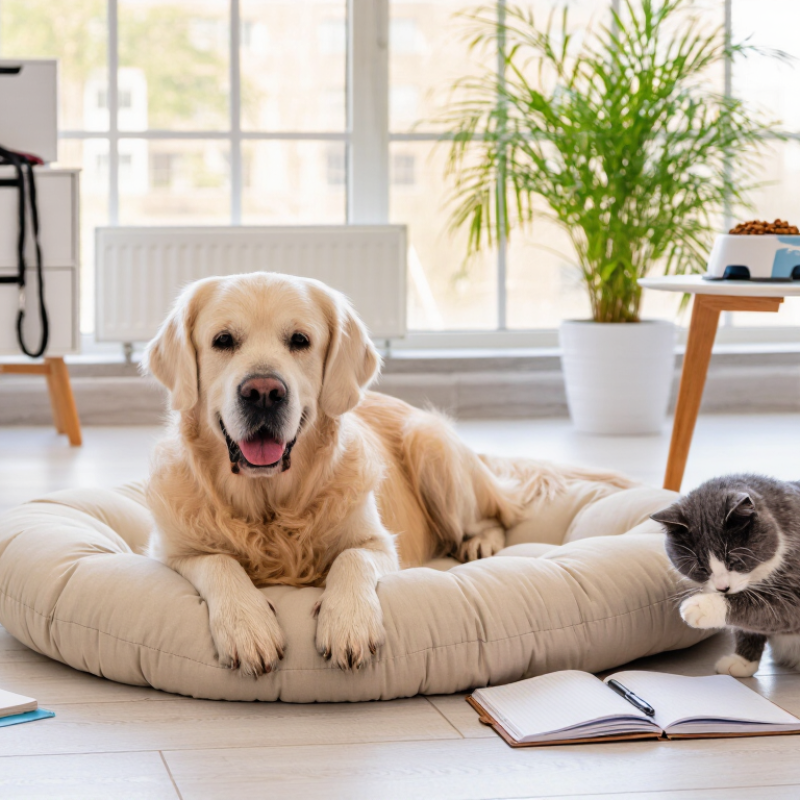
Understanding your pet’s health starts with noticing what is normal for them. A dog who usually bounds to the door but now walks slowly may be signaling discomfort. A cat that drinks more, hides, or avoids the litter box deserves attention. Keep notes on appetite, water intake, energy, stool, and behavior. Small changes matter. Natural care begins with observation, not guesswork.
Offer fresh water and a balanced diet suited to your pet’s age, size, and health. Ask a veterinarian before changing food or adding supplements; “natural” does not always mean safe. Gentle daily movement supports strength and healthy weight, but adjust walks and play to your pet’s abilities. Short, sniff-filled walks can be more useful than pushing a tired dog farther. Cats may benefit from brief play sessions and accessible climbing spaces. Keep it realistic. Some days, the routine slips.
Regular brushing, nail checks, dental care, clean bedding, and parasite prevention also support wellbeing. Use products and methods recommended for your animal, since grooming needs vary by coat and species. Schedule veterinary checkups even when your pet seems well. Home care can help maintain health, but it cannot diagnose illness or replace treatment. If symptoms persist, worsen, or appear suddenly, contact a veterinarian promptly. A simple health log can make those conversations clearer.
A balanced diet starts with food suited to a pet’s species, age, activity, and health needs. Look for a complete diet appropriate to that life stage, and ask a veterinarian about special needs such as allergies or kidney disease. A label can guide you, but it cannot tell you everything about how an individual pet will respond. Watch body condition, energy, and stool quality, then discuss persistent changes with a professional.
Change foods gradually over several days to reduce stomach upset. Small steps matter. Measure portions rather than relying on a full bowl; feeding guides are useful starting points, not exact rules for every animal. Hydration matters just as much. Keep fresh water in a clean bowl, away from litter boxes and busy walkways. Wash the bowl regularly, since a slippery film can build up. Some pets drink more when water is offered in several quiet spots, while adding wet food may also increase fluid intake. Notice changes in drinking or urination. They can signal a health problem, though warm weather and activity also affect thirst. If a pet suddenly drinks far more or less, contact a veterinarian instead of trying to correct it with diet alone. Water tracking can feel fussy, and it is easy to miss small changes; a simple daily check helps.
A healthy routine should fit your pet’s age, body, and temperament. For many dogs, two shorter walks can be easier than one long outing. Let your dog sniff along a quiet path; exploring smells provides mental activity too. Cats may enjoy brief play sessions with a feather wand or a rolling toy. Keep sessions gentle, and stop if your pet seems tired, distressed, or sore. Ask a veterinarian what activity is appropriate if your pet has a health condition.
Make grooming calm and predictable. Brush a small section at a time, using a tool suited to your pet’s coat. Check ears, paws, and skin as you go, and contact a veterinarian about redness, odor, or persistent irritation. Introduce nail care gradually, with treats and breaks. It may take several days. That is fine.
Enrichment can be simple: hide a few pieces of your pet’s usual food around a room, offer a safe puzzle feeder, or rotate toys instead of leaving everything out. Supervise unfamiliar items, since pets may chew or swallow loose parts. A steady schedule helps, but real life gets messy. Missing a play session now and then is not failure; notice what your pet enjoys, adjust, and keep the next small habit doable.
Sample Daily Habit Routine
This illustrative routine shows example time allocations for exercise, play, grooming, enrichment, and training. Needs vary by species, age, health, and temperament; ask your veterinarian for a routine suited to your pet.
How to Improve Pet Health Naturally 10 Tips
A safe home supports health in quiet, practical ways. Store medicines, cleaning products, and small objects behind closed doors. Secure window screens, cover exposed cords, and check that houseplants are safe for your pet. If you are unsure about a plant, remove it until you can verify its safety. Keep fresh water in an easy-to-reach spot, away from busy walkways. Small changes matter. It is easy to focus on buying new things and overlook hazards already sitting on a low table.
Stress can affect a pet’s appetite, sleep, and behavior. Keep feeding and walking times reasonably consistent, and provide a quiet resting place where children and visitors will not disturb them. Cats may appreciate a high perch; many dogs prefer a bed in a calm corner. Offer simple enrichment, such as a food puzzle or a short sniffing walk, while watching for signs of frustration. Quiet helps. Some advice makes routines sound effortless, but real homes are noisy and schedules change. Adjust gradually, and notice what your pet actually avoids or seeks. Sudden behavior changes, ongoing fear, or changes in eating and drinking deserve a conversation with a veterinarian. Natural comfort is useful, but it should not replace professional care.
Natural care works best beside regular veterinary care, not in place of it. Book routine wellness exams, even when your pet seems well. Ask your veterinarian which vaccines fit your pet’s age, health, and lifestyle. Keep parasite screening and prevention current, and arrange dental checks before bad breath or discomfort becomes obvious. Weigh your pet regularly; a slow change can be easy to miss. Keep notes.
At home, offer a nutritionally complete diet and clean water each day. Build in age-appropriate walks, play, or food puzzles. Brush your pet and check the skin, ears, and paws for new changes. Keep bedding clean and provide a quiet place to rest. Small changes matter. Natural does not always mean safe: herbs, essential oils, and supplements can cause harm or interact with medication. Ask a veterinarian before adding them.
Share your feeding, exercise, and grooming routine during checkups. Bring a list of supplements and concerns, including small ones you might otherwise forget. It is tempting to wait and see when appetite dips or scratching increases, but those signs can have many causes. A vet can help distinguish a minor issue from one needing prompt care. These habits support health; they cannot guarantee it.
| # | Health Focus | Natural, Everyday Approach | Preventive Veterinary Care | Important Note |
|---|---|---|---|---|
| 1 | Balanced nutrition | Feed a complete and balanced diet appropriate for the pet’s species, life stage, and health needs. Keep fresh water available. | Ask a veterinarian to assess body condition, growth, and dietary needs, especially when changing diets or managing a health condition. | “Natural” or homemade does not automatically mean nutritionally complete. Have homemade diets formulated by a veterinary nutrition professional. |
| 2 | Healthy weight | Measure meals, account for treats, and use regular play or walks to support a healthy body condition. | Have weight and body condition checked during routine visits; seek a tailored plan if weight changes unexpectedly. | Avoid crash diets. Safe weight-loss goals depend on the individual animal and should be discussed with a veterinarian. |
| 3 | Daily activity | Provide species-appropriate movement, such as walks for dogs, interactive play for cats, and opportunities to explore safely. | Ask about suitable activity if the pet is older, overweight, recovering from an injury, or has heart, joint, or breathing problems. | Increase exercise gradually and stop if the pet shows pain, unusual fatigue, or difficulty breathing. |
| 4 | Dental hygiene | Brush teeth regularly with a pet toothbrush and toothpaste made for that species, as tolerated. | Arrange oral examinations and ask whether a professional dental cleaning is needed. | Do not use human toothpaste; some ingredients can be harmful if swallowed. Chews do not replace dental examinations or brushing. |
| 5 | Routine examinations | Observe appetite, thirst, energy, behavior, skin, and bathroom habits so changes can be reported promptly. | Schedule regular wellness examinations based on age, health, and lifestyle. The veterinarian can recommend appropriate screening tests. | At-home observation supports care but cannot replace a physical examination or diagnostic testing. |
| 6 | Vaccination | Reduce avoidable exposure risks while keeping the pet safely socialized and active in suitable settings. | Discuss core and lifestyle-based vaccines with a veterinarian and follow the schedule recommended for the pet and location. | Natural methods do not provide reliable immunity against vaccine-preventable diseases. |
| 7 | Parasite prevention | Keep sleeping areas clean, check coats after outdoor activities, and reduce standing water or other avoidable pest habitats around the home. | Ask about locally appropriate prevention and testing for fleas, ticks, heartworm, and intestinal parasites. | Home and environmental steps may help reduce exposure but should not replace veterinary-recommended parasite prevention. |
| 8 | Enrichment and emotional well-being | Offer safe toys, food puzzles, positive-reinforcement training, predictable routines, and quiet places to rest. | Discuss persistent fear, aggression, compulsive behavior, or sudden behavior changes with a veterinarian. | Never punish signs of fear or pain. A behavior change can sometimes indicate an underlying medical problem. |
| 9 | Safe grooming and skin care | Brush as appropriate for the coat, keep bedding clean, and check ears, paws, and skin for changes. | Ask a veterinarian about persistent itching, hair loss, ear odor, redness, or recurring skin problems. | Use grooming products made for the animal. Essential oils and human skin products may be unsafe for pets. |
| 10 | Safe home and early response | Store medicines, chemicals, toxic foods, and small objects securely; provide clean water and a comfortable resting area. | Keep emergency and routine veterinary contact details accessible, and ask in advance what signs need urgent attention. | Do not give human medication or supplements without veterinary guidance. Suspected poisoning, breathing difficulty, collapse, or severe pain needs urgent veterinary help. |
Choose a complete diet suited to your pet’s species, age, activity, and health. Labels help, but individual responses vary.
Make the change gradually over several days. Small steps matter. Watch for stomach upset or changes in stool.
Keep fresh water in a clean bowl, away from litter boxes and busy walkways. Try a few quiet water spots.
A sudden increase or decrease in drinking may need veterinary attention. Weather and activity can affect thirst, so context matters.
Two shorter dog walks may feel easier than one long outing. Cats may enjoy brief play with a feather wand or rolling toy.
Brush a small area at a time and check the ears, paws, and skin. Introduce nail care with treats and breaks. It may take days.
Hide a few pieces of usual food around a room or use a safe puzzle feeder. Supervise unfamiliar toys with loose parts.
Missing one session is not failure. Notice what your pet enjoys, then choose a small habit you can repeat. Real life gets messy.
How To Improve Pet Health Naturally begins with understanding your pet’s individual needs, including their age, activity level, and any health concerns. Offer balanced food suited to those needs and keep fresh water available throughout the day. Regular exercise, gentle grooming, and engaging activities can support physical fitness, comfort, and mental well-being. Adjust routines to your pet’s abilities, and introduce changes gradually.
A calm, safe home also contributes to good health. Provide a comfortable resting place, predictable routines, and opportunities for quiet time, while reducing avoidable sources of stress. Natural care works best alongside preventive veterinary support: schedule regular checkups, keep appropriate vaccinations and parasite prevention up to date, and seek professional advice when you notice changes in appetite, behavior, or energy. Small, consistent habits can help your pet feel more comfortable and thrive over time.

HURO Pets