Top 10 Ways To Reduce Pet Anxiety At Home Today?

Time:2026-05-16 Author:Henry
0%

Many pet owners struggle with their animals' anxiety. Understanding how to reduce pet anxiety at home is crucial for their well-being. The stress pets feel can affect their health and behavior. It’s essential to create a calming environment for them.

Different factors can contribute to pet anxiety. Changes in routine, loud noises, or the absence of their owners can all play significant roles. Being aware of your pet’s specific triggers can help you customize your approach. For example, some pets may benefit from a quiet space or soothing music.

Effective strategies can transform your home into a sanctuary for anxious pets. Small adjustments in daily routines can have a big impact. Remember, it may take time for your pet to adjust. Be patient and persistent in trying different methods. Understanding your pet's needs is a vital step toward reducing their anxiety.
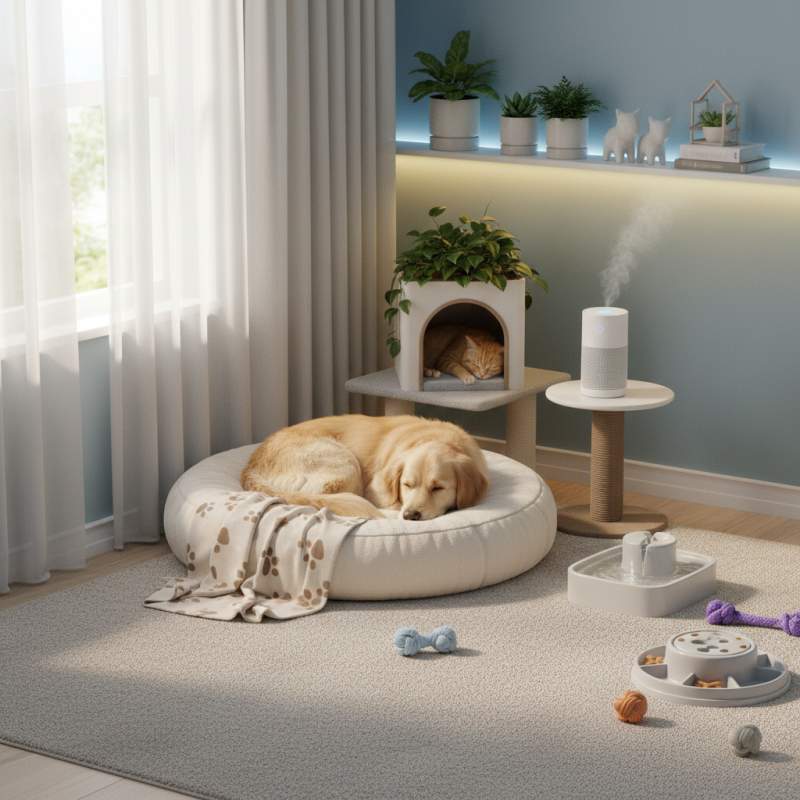
Top 10 Ways To Reduce Pet Anxiety At Home Today?

Understanding Pet Anxiety and Its Causes in Home Environments

Pet anxiety is a common issue for many animal owners. Understanding the root causes is essential. Loud noises, unfamiliar environments, and separation from their owners can trigger stress in pets. For instance, thunderstorms often leave dogs trembling in fear. Cats may hide when guests enter the home. These reactions can become serious if not addressed.

Recognizing the signs of anxiety is crucial. Pets may exhibit behaviors such as excessive barking, destructive chewing, or withdrawal. It's important to monitor your pet’s habits closely. Creating a safe space for them can greatly improve their comfort. A cozy corner with their favorite blanket can offer solace. Regular routines also help, as predictability often eases their fear.

Reflection is key in managing anxiety. Consider your own behavior. Are you calm and reassuring? Or do you unintentionally add to their stress? Small changes in your environment or routine can make a big difference. By being attentive and proactive, you can help reduce anxiety for your furry friends at home.

Creating a Safe and Comfortable Space for Your Pet to Relax

Creating a safe and comfortable space for your pet is essential for reducing anxiety. A study from the American Veterinary Medical Association noted that nearly 30% of pets experience anxiety when left alone. Providing a retreat can help alleviate this stress. This space should be quiet and away from household chaos. Use calming scents, like lavender, known to reduce agitation.


Consider the pet's needs. A cozy bed, some favorite toys, and familiar blankets can offer comfort. According to research from the ASPCA, pets often feel more secure in their own environment. Creating a nook or a designated area allows them to escape overwhelming situations. An enclosed area with minimal distractions can serve as a mini sanctuary.


It’s important to observe your pet's behavior in this space. Some pets may hesitate to enter. This is a sign that the area needs adjustments. Make it appealing by adding their favorite items and spending time there together. Personal engagement plays a crucial role in helping them associate the space with positive experiences. Remember that every pet is unique, and their comfort levels may differ. Regular check-ins and modifications are necessary for fostering their sense of security.

Implementing Routine and Structure to Alleviate Anxiety Symptoms

Establishing a routine can greatly help reduce your pet’s anxiety. Consistency brings comfort. Set specific times for feeding, walks, and playtime. Your pet will feel secure knowing what to expect.

Creating a structured environment is key. Provide a calm space for your pet. This can be a cozy corner with their bed or favorite blanket. Encourage them to retreat here when they feel anxious.

Incorporate calming activities into your daily routine. Mindful walks or quiet play can be soothing. You might play soft music or use soothing scents. Observe your pet's responses and adjust as needed. Each pet is unique, and routines should reflect their individual needs and behaviors.

Using Calming Aids and Enrichment Activities for Pets

Creating a calm environment for pets can help reduce their anxiety. Using calming aids like pheromone diffusers can create a soothing atmosphere. Many pets respond positively to these products. They can ease tension and provide comfort during stressful situations.

Enrichment activities play a crucial role too. Engaging your pet in mentally stimulating games can be beneficial. Simple puzzles or treat-dispensing toys keep them occupied and distracted. Regular playtime can significantly reduce anxious behaviors. Activities like hide-and-seek can encourage interaction and build trust. However, be mindful; not all pets respond the same way. Some may need more time to adjust.

Creating safe spaces at home is essential. Designate a quiet area where your pet can retreat and feel secure. Consider soft bedding and familiar toys in that space. While these measures can ease anxiety, don’t expect overnight results. Continuous observation is key. It helps identify what works best for your unique pet.

Consulting with Professionals: When to Seek Behavioral Help for Pets

When pets exhibit signs of anxiety, seeking professional help can be essential. An experienced veterinarian or animal behaviorist can offer personalized advice tailored to your pet's specific needs. Signs that your pet may require behavioral help include excessive barking, destructive behaviors, or changes in eating or sleeping habits. These behaviors often indicate deeper issues that might benefit from expert intervention.

Creating a calm environment can significantly reduce pet anxiety. Simple tips include providing a safe space with familiar toys and bedding. Consider using calming pheromones or quiet music to ease your pet's stress. Additionally, regular routines can help pets feel more secure. Predictable feeding and walk times can alleviate fears stemming from uncertainty.

Don't overlook the importance of socialization. Gradual exposure to new environments and situations can build confidence in anxious pets. Start with short outings and rewarding positive behavior. Observe your pet’s reactions and be patient. Change takes time and reflects a journey toward better behavioral health.

Top 10 Ways To Reduce Pet Anxiety At Home Today

This chart displays the effectiveness of various methods to reduce pet anxiety at home, rated on a scale from 1 to 10. Techniques such as providing a safe space and regular exercise are highly effective, while medication tends to be less favored as a first response.

FAQS

: What causes pet anxiety at home?

: Pet anxiety often stems from loud noises, unfamiliar places, and separation from owners.

How can I recognize signs of anxiety in my pet?

Look for excessive barking, destructive behavior, or withdrawal from activities they usually enjoy.

What can I do to create a safe space for my pet?

Designate a cozy area with their favorite blanket or bed where they can relax and feel secure.

Why is routine important for reducing pet anxiety?

Consistent routines provide predictability, which helps pets feel more secure and less anxious.

How can I incorporate calming activities into my pet’s day?

Consider mindful walks, quiet playtime, or using soft music and soothing scents to calm them down.

What should I reflect on to help my anxious pet?

Think about your own behavior. Are you calm? Your stress may unintentionally affect them.

Is it okay to adjust routines for my pet?

Yes, routines should cater to your pet's individual needs, allowing flexibility for changes when necessary.

Can environmental changes help reduce pet anxiety?

Absolutely! Small changes like minimizing loud noises or altering the environment can significantly ease their anxiety.

How can I support my pet during thunderstorms?

Create a safe retreat where they can feel secure and consider calming techniques like gentle petting or soothing sounds.

Should I be concerned if my pet refuses to eat when anxious?

Yes, a lack of appetite can indicate anxiety. Monitor their eating habits and consult a vet if it persists.

Conclusion

Pet anxiety is a common issue that many pet owners face, often stemming from various factors in the home environment. To effectively learn how to reduce pet anxiety at home, it's essential first to understand the root causes, such as loud noises or changes in routine. Creating a safe and comfortable space for your pet can significantly ease their stress, along with implementing a consistent routine that fosters a sense of security.

Additionally, utilizing calming aids and engaging your pet in enrichment activities can provide mental stimulation, helping to alleviate symptoms of anxiety. Recognizing when to consult with professionals is also crucial; seeking behavioral help can lead to tailored strategies that address your pet's specific needs. By following these steps, pet owners can foster a calming environment and drastically improve their furry companions' well-being.

Henry

Henry

Henry is a dedicated marketing professional with a profound expertise in the company's offerings. With years of experience in the industry, he possesses an impressive understanding of the market dynamics and consumer behaviors that drive success. Henry is committed to sharing his insights through......