Outdoor pets require special care throughout the year. According to Dr. Lisa Hartman, a renowned veterinarian and expert in pet wellness, "Seasonal changes can affect your pet's health in surprising ways." This perspective emphasizes the need for thoughtful Outdoor Pet Care Tips For All Seasons.
During summer, heat can be overwhelming. Pets may suffer from heatstroke or dehydration. Ensure they have plenty of shade and fresh water. In winter, icy conditions pose risks of frostbite and other cold-related health issues. Providing warm shelter is crucial. The transition periods of spring and autumn also bring unique challenges, such as allergies and changes in grooming needs.
Thinking ahead is key. Regular vet check-ups help spot seasonal health issues early. Understanding your pet’s individual needs will make care more effective. This process of constant learning and adapting is part of responsible pet ownership. Our pets depend on us to make the right choices in every season.
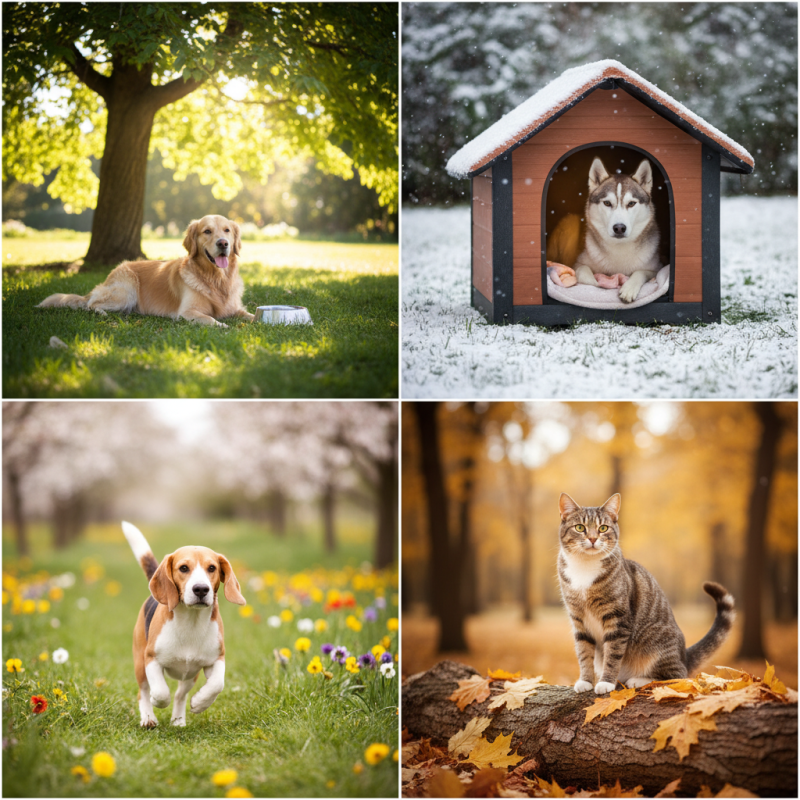
Seasonal changes significantly impact outdoor pets. In winter, pets can suffer from cold exposure. According to the American Veterinary Medical Association (AVMA), pets can develop frostbite or hypothermia. Keep bedding dry and insulated. Ensure pets have shelter and are not left outside for extended periods. Regularly check their paws for ice and salt, which can cause irritation.
During the summer months, heat stress becomes a serious concern. The American Society for the Prevention of Cruelty to Animals (ASPCA) warns that pets can suffer from heat stroke. Never leave pets in parked cars, even for a short time. Provide plenty of fresh water and shaded areas. Regular grooming helps to remove excess fur and keeps pets cool.
Spring and fall present their own challenges. Seasonal allergies can impact pets, causing itchy skin or respiratory issues. The Pet Allergy Clinic reports that certain pollen can trigger these reactions. Regular baths and monitoring for signs of allergies can help. Always adapt your pet care routine to their seasonal needs, ensuring their health and safety throughout the year.
| Season | Outdoor Safety Tips | Health Considerations |
|---|---|---|
| Spring | Check for parasites, such as fleas and ticks. | Monitor for allergies with new plants blooming. |
| Summer | Provide plenty of shade and water. | Watch for heatstroke signs; avoid hot pavement. |
| Fall | Keep pets away from decomposing leaves and mushrooms. | Ensure pets are up to date on vaccinations before winter. |
| Winter | Protect paws from ice and salt; limit outdoor time. | Prevent hypothermia; consider winter coats for short-haired pets. |
Winter can be a tough season for outdoor pets. Keeping them warm and active is essential for their well-being. Pets need comfort during cold months. Their fur may not be enough against biting winds and freezing temperatures. If you notice your pet shivering, consider a coat or sweater to help them retain heat.
**Tip:** Regularly check your pet’s paws for ice or snow buildup. Ice can cause discomfort or injury. After outdoor playtime, wipe their paws with a warm cloth to remove any harmful substances.
Exercise remains crucial in winter. Shorter days can limit outdoor activities. Try to schedule playtime when sunlight is available. A brisk walk can keep them healthy and warm. Use toys for interactive play to stimulate their minds while keeping them active.
**Tip:** Create a designated play area indoors. This will give your pet a safe space to expend energy when it’s too cold outside. Regular indoor activities can help prevent boredom and destructive behavior.
Recognizing the signs of winter stress in pets is important. If your pet seems lethargic or reluctant to go outside, they might need more encouragement. Engaging them with treats or favorite toys can ease their hesitation.
Spring brings vibrant blooms and warmer weather, but it also signals the start of allergy season for pets. Studies indicate that about 30% of dogs and cats suffer from allergies. Common allergens include pollen from grass, trees, and flowers. Red, itchy eyes and excessive scratching can be signs your pet is reacting to these triggers. Outdoor exposure during peak pollen times can worsen these symptoms.
In addition to allergies, flea infestations also spike during spring. An alarming 40% of households with pets reported flea problems last year. Fleas thrive in warm conditions, and one female flea can produce up to 50 eggs per day. Regularly checking your pet for fleas is essential. Consider using a flea prevention product that is appropriate for your pet's age and weight. Keeping your yard well-maintained and washing your pet’s bedding weekly can also help reduce flea populations.
Springtime is a reminder for pet owners to stay vigilant. Each pet reacts differently, and what works for one may not work for another. Monitoring your pet’s behavior and skin condition is crucial. If allergies or fleas persist, consulting a veterinarian can provide tailored advice to keep your furry friends healthy and comfortable this season.
Summer brings joy and outdoor adventures for pets, but it also poses risks. Keeping your pets hydrated is essential. Offer fresh water regularly, especially after walks. Carry portable water bowls for outings. Remember, pets can’t express thirst like humans. Lack of hydration can lead to heatstroke.
Heat protection is crucial during hot summer days. Never leave pets in parked cars, even for a moment. If your pet enjoys the outdoors, create shaded areas where they can rest. Apply pet-safe sunscreen to protect their vulnerable areas, like the nose and ears, from sunburn. During peak heat, limit outdoor activities to early morning or late evening.
Tips to keep your pets cool include using cooling mats or vests and providing plenty of fresh water. Regular grooming can help, too. Shorter fur can prevent overheating. Observe your pets closely for signs of distress. Panting, excessive drooling, and lethargy indicate they may be too hot. Always prioritize their health and comfort in the summer heat.
As fall approaches, it’s crucial to adjust your outdoor pet care routine. The change in temperature and environment can significantly affect your pet's health. Many pets enjoy spending time outside, but they also need
special attention during this season.
Introduce a seasonal diet change. As the weather cools, pets may need more calories to maintain their body heat. Consider high-quality, nutrient-dense food to support their energy levels. This adjustment can help keep them active and healthy as they explore autumn landscapes.
Keep an eye on your pet's hydration. Cooler temperatures can sometimes lead to decreased water intake. Encourage drinking by providing fresh water. Also, remember to check the water bowl frequently to prevent it from freezing overnight.
When out on walks, be cautious of fallen leaves and hidden hazards. Puddles can hide harmful debris. Ensure that your pet is groomed regularly; fallen fur can be a source of minor irritations. Remember, each pet is different, and seasonal changes might require a bit of reflection and adjustment to find what works best for them.
: Consider using a coat or sweater if your pet shivers. Check their paws for ice and wipe them afterward.
Encourage them with treats or favorite toys. Reflect on their comfort to help ease their anxiety.
Create a designated play area and engage in interactive games. This reduces boredom and prevents destructive behavior.
Pets can’t express thirst. Always offer fresh water and carry portable bowls during outings to prevent heatstroke.
Create shaded areas and apply pet-safe sunscreen. Limit outdoor activities during peak heat hours for their safety.
Consider high-quality food with more calories to maintain heat. Reflect on their energy needs as temperatures drop.
Watch for panting, excessive drooling, or lethargy. These signals mean your pet may need immediate cooling.
Regularly check and refill their water bowl. Keeping it in a sheltered spot can help avoid freezing.
Be cautious of fallen leaves and puddles that may hide harmful debris. Groom your pet regularly to prevent irritations.
Look for signs like lethargy or reluctance to go outside. Every pet reacts differently; reflect on their behavior.
When it comes to ensuring the well-being of pets, following essential outdoor pet care tips for all seasons is crucial. In winter, it's important to provide adequate warmth and opportunities for exercise to keep pets healthy and active. As spring arrives, managing allergies and taking preventative measures against fleas becomes vital for outdoor comfort.
In the heat of summer, focus on hydration and protecting pets from overheating, while fall necessitates adjustments in routines and nutrition to prepare for the changing weather. Adapting these practices according to the seasons not only promotes the health and safety of your furry friends but also enhances their overall outdoor experience.

HURO Pets